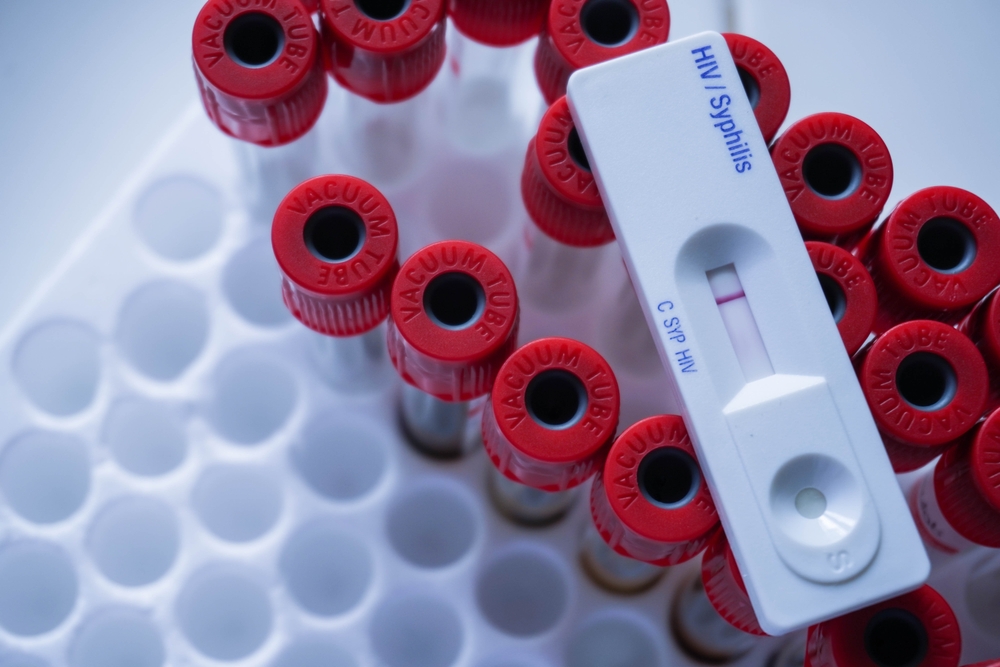
The right HIV test depends on how recently you were exposed. Antibody tests need 23 to 90 days to detect infection, antigen/antibody combination tests need 18 to 45 days, and nucleic acid tests (NAT) can detect HIV in as little as 10 to 33 days. Testing too early can produce a false negative, so timing matters as much as testing itself.
Waiting for HIV test results is one of the most anxious experiences a person can go through. That anxiety often gets worse when the timing of the test itself is unclear. Testing too soon after a possible exposure can lead to a false negative, leaving you with more questions than answers.
This guide walks through the different HIV testing window periods, what factors should shape your choice of test, and when it makes sense to bring in an infectious disease specialist for guidance.
Choosing the Right Screening Windows for HIV Testing
Every HIV test has a window period. This is the time between a possible exposure and the point when a test can reliably detect the virus. Testing before this window closes will not give you an accurate result, even if you have been infected.
Different Types of HIV Tests and Their Window Periods
Test Type | Detects | Window Period |
Antibody test | Antibodies to HIV | 23 to 90 days |
Antigen/antibody test | HIV antigen and antibodies | 18 to 45 days |
Nucleic acid test (NAT) | HIV genetic material | 10 to 33 days |
According to the CDC, antigen/antibody tests are the most commonly used lab-based tests in the United States, and they offer a good balance between early detection and accuracy.
Key Factors in Selecting an HIV Test
Choosing the right test is not one-size-fits-all. A few things should guide your decision:
- Time since exposure: Choose NAT if your exposure was very recent and you need answers quickly. Choose an antibody test if more time has passed since exposure.
- Symptoms: If you are experiencing flu-like symptoms, mention this to your provider, since it may point toward acute infection.
- Access to follow-up care: A positive result should always be confirmed with a second test, so consider where you will go for that follow-up before you test.
- Personal comfort: Home testing kits offer privacy, while clinic-based testing offers same-day guidance from a provider.
You are not alone in navigating these choices. A knowledgeable provider can help you choose the test that fits your specific situation and timeline.
When to Consult an Infectious Disease Specialist
Some situations call for more than a standard test. If you have had a high-risk exposure, a confirmed positive result, or ongoing symptoms that concern you, an infectious disease specialist can offer a level of guidance a general test alone cannot.
An infectious disease specialist can help you interpret your results in context, recommend the right retesting schedule, and connect you with treatment if needed. This kind of support turns a stressful moment into a clear, manageable next step.
Accessing Care and Infectious Disease Doctors in Brooklyn
Finding the right infectious disease doctor in Brooklyn does not have to add to your stress. Local providers offer confidential testing, same-week appointments, and follow-up care that keeps you informed at every step.
Whether you are testing for the first time or returning for a follow-up, having a provider close to home makes it easier to stay consistent with your care.
Take the Next Step With Confidence
Understanding HIV testing window periods puts you back in control of a process that can otherwise feel overwhelming. The right test, taken at the right time, gives you answers you can trust.
Our infectious disease specialist team to help you choose the right test, understand your results, and know when you need medical help. Reach out to us today by calling +1-718-367-2555 or visiting us at 1797 Pitkin Avenue, Brooklyn, NY 1121 to schedule your confidential HIV screening.