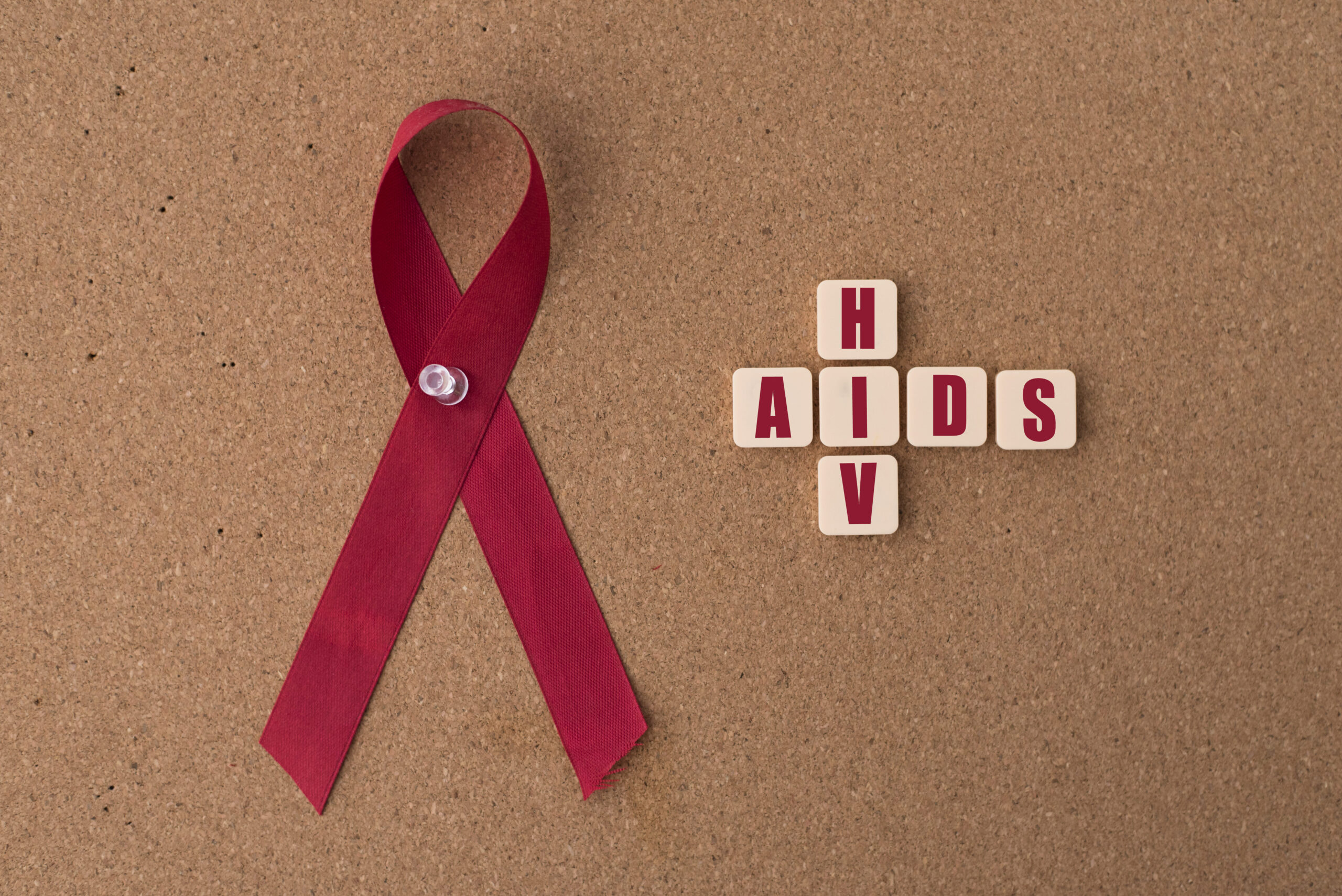
Every year on December 1st, the world observes World AIDS Day. This important day serves as a global moment to unite in the fight against HIV, show support for people living with HIV, and commemorate those who have died from an AIDS-related illness. It is also a critical time to evaluate and promote effective HIV prevention strategies with control efforts. While significant progress has been made since the epidemic began, HIV remains a major public health issue. Renewing our focus on prevention and control is essential to ending the epidemic for good and achieving a healthier future for everyone.
This day is more than just a date on the calendar; it’s a call to action. It encourages governments, organizations, and individuals to strengthen their commitment to fighting the virus. By increasing health awareness and sharing knowledge, we can empower communities to protect themselves and others. Log on to www.doralhw.org for a consultation.
Understanding the Current State of HIV/AIDS
Decades of concerted effort have transformed the landscape of HIV/AIDS. What was once a near-certain death sentence is now a manageable chronic condition for many, thanks to advancements in antiretroviral therapy (ART). However, the fight is far from over. Millions of people are newly infected with HIV each year, and many still lack access to testing, prevention, and treatment.
The theme of each World AIDS Day often highlights a specific area of focus, encouraging targeted action. These themes reflect the evolving nature of the epidemic and the challenges that remain. Stigma and discrimination continue to be significant barriers, preventing people from seeking the services they need. This makes global and local initiatives that promote education and acceptance more important than ever.
Key HIV Prevention Strategies with Control Efforts
A multi-faceted approach is necessary to effectively prevent new HIV infections and control the spread of the virus. These strategies combine biomedical interventions, behavioral changes, and structural support to create a comprehensive defense against HIV.
Biomedical Interventions
Science has provided powerful tools to prevent HIV transmission. These medical strategies are cornerstones of modern prevention efforts.
- Pre-Exposure Prophylaxis (PrEP): PrEP is a medication taken by people at risk for HIV to prevent getting the virus from sex or injection drug use. When taken as prescribed, PrEP is highly effective.
- Post-Exposure Prophylaxis (PEP): PEP involves taking antiretroviral medicines after a potential exposure to HIV to prevent becoming infected. PEP must be started within 72 hours after a recent possible exposure.
- Treatment as Prevention (TasP): People with HIV who take ART daily as prescribed and achieve and maintain an undetectable viral load have effectively no risk of sexually transmitting the virus to an HIV-negative partner. This concept is often summarized as “Undetectable = Untransmittable” (U=U).
- Condom Use: Consistent and correct use of condoms remains a simple yet highly effective method for preventing HIV and other sexually transmitted infections.
Behavioral and Educational Approaches
Raising health awareness and promoting safer behaviors are fundamental to prevention. Education empowers individuals to make informed decisions about their health.
- Comprehensive Sex Education: Providing young people with accurate information about sexual health, consent, and prevention methods equips them with the knowledge to protect themselves.
- Harm Reduction Programs: For people who inject drugs, harm reduction services like needle and syringe programs and opioid agonist therapy can significantly reduce the risk of HIV transmission.
- Awareness Campaigns: Events like this HIV/AIDS awareness day are vital for disseminating information, challenging myths, and reducing stigma associated with the virus.
Structural Support and Testing
Addressing the social and economic factors that contribute to HIV vulnerability is crucial for long-term success.
- Increased Access to Testing: Regular HIV testing is the only way to know one’s status. Making testing widely available, confidential, and accessible encourages more people to get tested. Early diagnosis allows for prompt treatment, benefiting both the individual’s health and public health through TasP.
- Fighting Stigma and Discrimination: Laws, policies, and community programs that protect the rights of people living with HIV are essential. When people feel safe and supported, they are more likely to access care and adhere to treatment.
- Supporting Vulnerable Populations: Certain populations are disproportionately affected by HIV due to various social and economic factors. Tailoring prevention and control efforts to meet the specific needs of these groups is critical for an equitable response.
Moving Forward: Our Collective Responsibility
The goal of ending the AIDS epidemic by 2030 is ambitious but achievable. It requires sustained investment, political will, and the active participation of communities worldwide. On this World AIDS Day, we can all play a part.
You can contribute by getting tested, educating yourself and others, and challenging the stigma that still surrounds HIV. Support organizations working on the front lines of HIV prevention and care. Advocate for policies that ensure everyone, everywhere has access to the tools they need to stay healthy.
By combining proven HIV prevention strategies with control efforts, we can continue to make progress. Let’s honor the lives lost by redoubling our commitment to a future free from AIDS. Book your appointment now, call us on + 1-718-367-2555 to get treated! Learn more about infectious diseases at www.doralhw.org. and stay up to date on current health topics and new research, on recent infectious diseases like HIV/AIDS. If you need help, register your information and make direct contact with us at https://yuz88hfiyh7.typeform.com/Doralintake. Or visit us at 1797 Pitkin Avenue, Brooklyn, NY 11212.