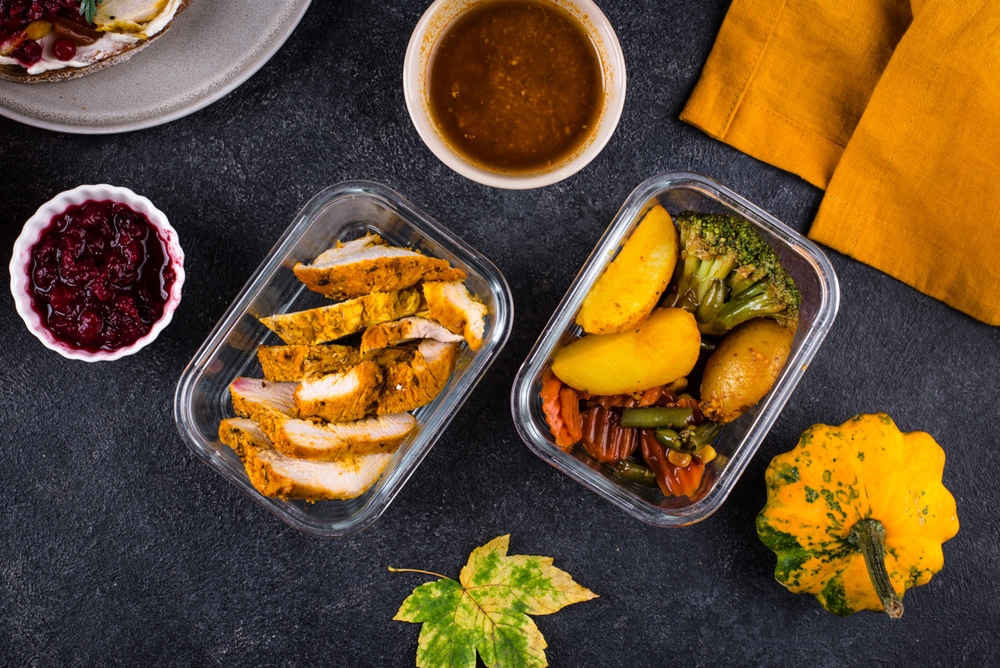
Thanksgiving leftovers are safe for up to two hours at room temperature, or one hour if it is above 90°F. Store food in shallow containers within that window, refrigerate at or below 40°F, and reheat to an internal temperature of 165°F before eating. Following these food safety rules helps prevent food poisoning from turkey, stuffing, and other holiday dishes.
Thanksgiving dinner takes hours to prepare and only minutes to enjoy, which is exactly why the leftovers matter so much. You spent the day cooking turkey, stuffing, mashed potatoes, and gravy, and the last thing you want is for those dishes to make you or your loved one sick days later. Food poisoning from Thanksgiving leftovers is more common than most people realize, and it often happens not because the food was cooked poorly, but because it was stored or reheated the wrong way.
Understanding a few simple food safety rules can mean the difference between enjoying your holiday meal twice and ending up with a stomach bug that ruins your weekend. This guide walks through how long leftovers can safely sit out, which dishes carry the highest risk, how to reheat food properly, and what warning signs suggest it is time to see a doctor.
Key Food Safety Rules for Thanksgiving Leftovers
The hours right after dinner are when most food safety mistakes happen. Plates sit on the table during conversation and dessert, and leftovers do not always make it into the refrigerator as quickly as they should.
How Long Can Thanksgiving Leftovers Safely Sit Out?
Bacteria multiply fastest between 40°F and 140°F, a range food safety experts call the “danger zone.” According to the U.S. Department of Agriculture, perishable food should not sit at room temperature for more than two hours, or one hour if the room is warmer than 90°F. If your Thanksgiving leftovers have been out longer than that, it is safer to throw them away than to risk it.
This rule matters most for turkey, gravy, and stuffing, since these dishes support bacterial growth more easily than drier foods. Setting a timer after dinner is a simple way to keep track, especially when the day gets busy with family and cleanup.
Proper Storage to Prevent Food Poisoning
Once the two-hour window closes, proper storage becomes your next line of defense. A few habits make a real difference:
- Use shallow containers. Deep containers trap heat in the center of the food, slowing cooling and giving bacteria more time to grow. Shallow containers, two inches deep or less, cool food faster and more evenly.
- Separate the turkey from the bones. Carving meat off the bone before refrigerating helps it cool more quickly and reduces the risk of bacterial growth near the center of a large piece.
- Keep your refrigerator at or below 40°F. A refrigerator thermometer takes the guesswork out of this and is worth the small investment.
- Label leftovers with the date. Most Thanksgiving leftovers are safe in the refrigerator for three to four days. After that, it is time to freeze or discard them.
The Most Dangerous Thanksgiving Foods for Foodborne Illness
Not every dish on your Thanksgiving table carries the same risk. Turkey and other poultry are common sources of Salmonella and Campylobacter, particularly if the bird was not cooked to a safe internal temperature or was left out too long after carving. Stuffing cooked inside the turkey is especially risky, since it can absorb juices that may not reach a high enough temperature to kill bacteria.
Gravy and cream-based dishes, including green bean casserole, also sit squarely in the danger zone because of their moisture content and dairy ingredients. Dishes made with eggs, such as certain pies or casseroles, deserve the same caution. If you are unsure whether a dish was handled safely throughout the day, it is better to let it go than to take a chance with your family’s health.
How to Safely Reheat Thanksgiving Leftovers
Reheating is not just about warming food through; it is about reaching a temperature that kills any bacteria that may have developed during storage. The USDA recommends heating leftovers to an internal temperature of 165°F, checked with a food thermometer rather than guesswork.
Gravy and sauces should reach a rolling boil before serving again. Microwaving works well for smaller portions, but stirring and rotating the dish helps heat it evenly, since microwaves can leave cold spots where bacteria survive. Reheating leftovers only once is also a good habit, since repeated cooling and reheating increases the opportunity for bacterial growth.
Warning Signs of Food Poisoning After Thanksgiving
Food poisoning symptoms can appear within hours or take a day or two to show up, which makes it easy to miss the connection to Thanksgiving dinner. Watch for:
- Nausea and vomiting begin suddenly, often within a few hours of eating.
- Stomach cramps or diarrhea that persist beyond a day.
- Fever, which may signal a more serious bacterial infection rather than simple indigestion.
- Signs of dehydration, including dizziness, dry mouth, or reduced urination, particularly in older adults or young children.
Most cases resolve on their own with rest and fluids, but symptoms that last more than two days, include blood, or come with a high fever deserve medical attention rather than a wait-and-see approach.
When Leftover Food Poisoning Will Not Resolve
A stomach bug from Thanksgiving dinner is unpleasant, but most people recover within a day or two. When symptoms linger, worsen, or come with fever and dehydration, something more serious may be at play, and it deserves a real answer rather than another day of waiting it out.
If your loved one has an infection that will not resolve, our infectious disease specialists can help identify the exact cause and match the drug to the bug for a faster, more effective recovery. A specialist in infectious diseases can also help distinguish between common food poisoning and something that needs targeted treatment, giving you clarity instead of more guesswork.
Reach out to us today by calling +1-718-367-2555 or visiting us at 1797 Pitkin Avenue, Brooklyn, NY 11212 to schedule a consultation and take the next step toward answers and relief.