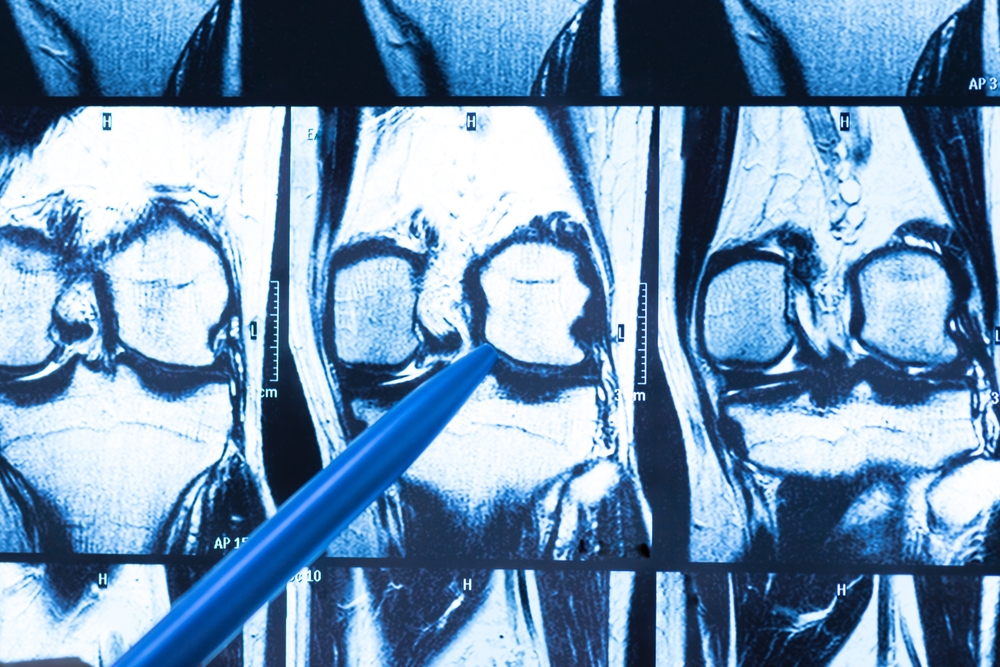
Renal MRA imaging shows doctors the blood vessels feeding your kidneys before you start ACE inhibitors. This matters because narrowed renal arteries can make these medications dangerous, sometimes triggering kidney damage. A vascular health specialist uses this imaging to confirm your arteries can safely handle ACE inhibitor therapy, protecting your kidney function from the very start.
Starting a new blood pressure medication should feel like a step forward, not a source of worry. But if you have a family history of kidney disease or narrowed arteries, that next prescription can bring real uncertainty. This is where understanding how renal MRA imaging guides ACE inhibitor safety decisions becomes so important. It gives your care team a clear picture of your kidney health before treatment begins, so you can move forward with confidence instead of guesswork.
Why Do ACE Inhibitors Carry Kidney Risks?
ACE inhibitors are commonly prescribed for high blood pressure and heart failure. For most people, they work safely and effectively. But if your renal arteries are narrowed by a condition called renal artery stenosis, these medications can reduce blood flow to your kidneys even further. Over time, this can lead to acute kidney injury or worsening kidney function.
You do not need to face this risk unprepared. Identifying narrowed arteries before treatment starts allows your care team to plan around them.
What Does Renal MRA Imaging Show Your Doctor?
Renal magnetic resonance angiography, or renal MRA, creates detailed images of the arteries supplying your kidneys. Unlike a standard ultrasound, it captures the full structure of these vessels without invasive procedures.
Here is how this imaging supports safer prescribing decisions:
- Confirms artery health: Your doctor can see whether your renal arteries are open and functioning normally.
- Detects narrowing early: If stenosis is present, your care team knows before a single dose of medication is given.
- Informs dosing decisions: When narrowing is found, your doctor may choose a lower starting dose, closer monitoring, or an entirely different medication.
- Reduces guesswork: You and your family are not left wondering whether treatment is safe. The imaging provides a clear answer.
This is precisely why understanding how renal MRA imaging guides ACE inhibitor safety decisions matters so much for anyone starting blood pressure treatment with known risk factors.
What Happens at a Vascular Clinic in Brooklyn?
If your primary care doctor suspects renal artery involvement, you may be referred to a vascular health specialist for further evaluation. At a vascular clinic in Brooklyn, this typically involves a review of your medical history, the renal MRA scan itself, and a follow-up consultation to discuss the results in plain language.
Your loved ones do not have to navigate this process alone. A vascular health specialist can walk you through what the images mean and what they suggest about starting or adjusting ACE inhibitor therapy.
Moving Forward with Confidence
Blood pressure management should never come at the cost of your kidney health. If you or a family member has risk factors for renal artery stenosis, ask your doctor whether renal MRA imaging is right for you. Our Vascular team is here to guide you through every step, from imaging to treatment planning, so you can start therapy with real peace of mind. Reach out today by calling +1-718-367-2555 or visiting us at 1797 Pitkin Avenue, Brooklyn, NY 1121 to schedule a consultation.