Sural nerve entrapment after ankle trauma happens when scar tissue or swelling compresses the sural nerve, causing burning pain along the lateral foot. Relieving burning along the lateral foot often starts with rest, bracing, and nerve-focused therapy. A podiatrist can confirm the diagnosis and guide you toward the right treatment path.
A sprained or fractured ankle can leave more than bruising behind. For some people, healing brings a new problem: a burning, tingling sensation that runs along the outside of the foot. This is a hallmark sign of sural nerve entrapment after ankle trauma, a condition that is often overlooked because it mimics ordinary soreness.
You do not have to guess what is causing that discomfort, and you do not have to live with it. Understanding why this happens, and how relieving burning along the lateral foot actually works, can help you take the next step toward comfortable movement again.
Why Sural Nerve Entrapment Occurs After Ankle Trauma
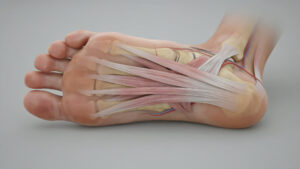
The sural nerve runs along the outer ankle and into the lateral foot. When you sprain, fracture, or otherwise injure your ankle, swelling and scar tissue can form around this nerve as part of the healing process. Over time, that tissue can trap the nerve, restricting its movement and irritating it with every step.
Repeated ankle sprains raise the risk even further. Each injury adds another layer of scar tissue, making entrapment more likely with subsequent trauma.
What Does Burning Along the Lateral Foot Feel Like?
Many people describe this sensation as sharp, hot, or electric, concentrated along the outer edge of the foot. You may also notice:
- Numbness or tingling: A pins-and-needles feeling that spreads toward the little toe.
- Pain that worsens with activity: Walking, running, or wearing tight shoes can intensify symptoms.
- Tenderness near the ankle: Pressing along the outer ankle may reproduce the burning sensation.
- Symptoms that linger after the original injury heals: This is often the clearest sign that nerve involvement, not just soft tissue damage, is behind your pain.
How to Relieve Burning Along the Lateral Foot
Relief usually begins with reducing pressure on the nerve and calming inflammation around it. Rest, activity modification, and supportive bracing give the tissue room to settle. From there, a podiatrist can recommend treatments tailored to how long you have had symptoms and how severe they are.
Conservative vs. Advanced Treatment Options
Choose conservative care first if your symptoms are mild or recent. This often includes physical therapy, nerve gliding exercises, anti-inflammatory medication, and custom bracing to limit nerve irritation during movement.
Choose advanced treatment if conservative measures have not resolved the burning after several weeks. This may involve corticosteroid injections to reduce inflammation around the nerve, or, in persistent cases, a minor surgical procedure to release the entrapped nerve.
When to See a Podiatrist
Lingering burning pain after an ankle injury is not something to wait out. If your lateral foot pain continues weeks after the initial trauma seems healed, it is time to get it checked. A podiatrist can distinguish nerve entrapment from other causes of foot pain, such as tendon damage or stress fractures, and build a treatment plan around your specific injury.
Taking the Next Step Toward Comfortable Movement
Burning pain along the lateral foot can make simple activities, like walking the dog or climbing stairs, feel unmanageable. You do not have to accept that as your new normal. Reach out to our podiatry team by calling +1-718-367-2555 or visiting us at 1797 Pitkin Avenue, Brooklyn, NY 1121 to schedule a visit. Relief is closer than it feels.