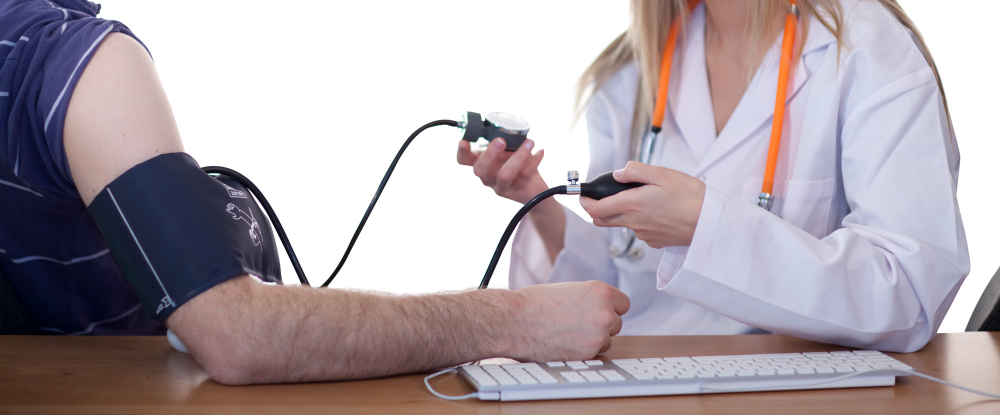
A cardiac stress test measures how well your heart handles physical activity, usually by having you walk on a treadmill at increasing speeds and inclines. Safety checks include continuous blood pressure and heart rhythm monitoring, with trained staff watching for warning signs throughout. A cardiologist will stop the test immediately if anything looks concerning.
Waiting for a loved one’s stress test can bring on a wave of nerves, especially if you don’t know what the appointment actually involves. The good news is that a stress test is one of the most routine tools cardiologists use to check heart health, and the process follows clear, well-established safety standards. This stress test guide walks through the walking protocols and safety checks for stress tests, so you know exactly what to expect and can offer real reassurance when it matters most.
What Happens During a Stress Test?
A stress test measures how the heart responds to physical exertion. Since some heart problems only show up when the heart is working harder, this test gives a cardiologist information that a resting exam cannot provide. Electrodes are placed on the chest to track heart rhythm, while a blood pressure cuff checks readings throughout the test.
What Walking Protocols Are Used During a Stress Test?
Most stress tests follow a structured walking protocol on a treadmill. The pace and incline increase gradually in stages, giving the heart time to adjust before the next level begins.
The Bruce Protocol Explained
The Bruce protocol is the most widely used walking protocol for stress tests. It starts at a slow, comfortable walking pace on a slight incline. Every three minutes, the speed and incline increase, gradually pushing the heart to work harder in a controlled, predictable way.
How Speed and Incline Change During the Test
Each stage typically lasts three minutes, allowing your loved one’s heart rate and blood pressure to stabilize before the next increase. The test continues until a target heart rate is reached, symptoms appear, or the cardiologist decides to stop for safety reasons.
What Safety Checks Happen During a Stress Test?
Safety is built into every stage of the walking protocol. Trained medical staff remain in the room for the entire test, watching closely for any signs that something isn’t right.
Key safety checks include:
- Continuous ECG monitoring: Tracks heart rhythm in real time to catch irregularities early.
- Blood pressure readings: Taken at regular intervals to confirm the heart is responding safely.
- Symptom monitoring: Staff ask about chest pain, dizziness, or shortness of breath throughout the test.
- Immediate stop protocol: The test ends right away if readings or symptoms raise any concern.
When Should You See a Cardiologist Before a Stress Test?
If your loved one has chest pain, unexplained fatigue, or shortness of breath, it’s worth talking to a cardiologist before the test date. A cardiologist reviews medical history and current medications to confirm the test is appropriate and safe.
Finding a Cardiology Clinic in Brooklyn for Stress Testing
Choosing a cardiology clinic in Brooklyn close to home makes the entire process easier for families. Local care means shorter travel times, easier follow-up visits, and a team that gets to know your loved one’s health history over time. A cardiology clinic in Brooklyn can also coordinate results directly with your loved one’s primary doctor, keeping every part of care connected.
You’re Not Alone as You Prepare for This Test
Watching someone you love go through a stress test can feel stressful in its own right. You don’t have to navigate it without guidance. Our Cardiology team is here to explain every step of the walking protocol, answer your safety questions, and support your family before, during, and after the appointment. Reach out today by calling +1-718-367-2555 or visiting us at 1797 Pitkin Avenue, Brooklyn, NY 1121 to schedule a stress test and get the answers you deserve.