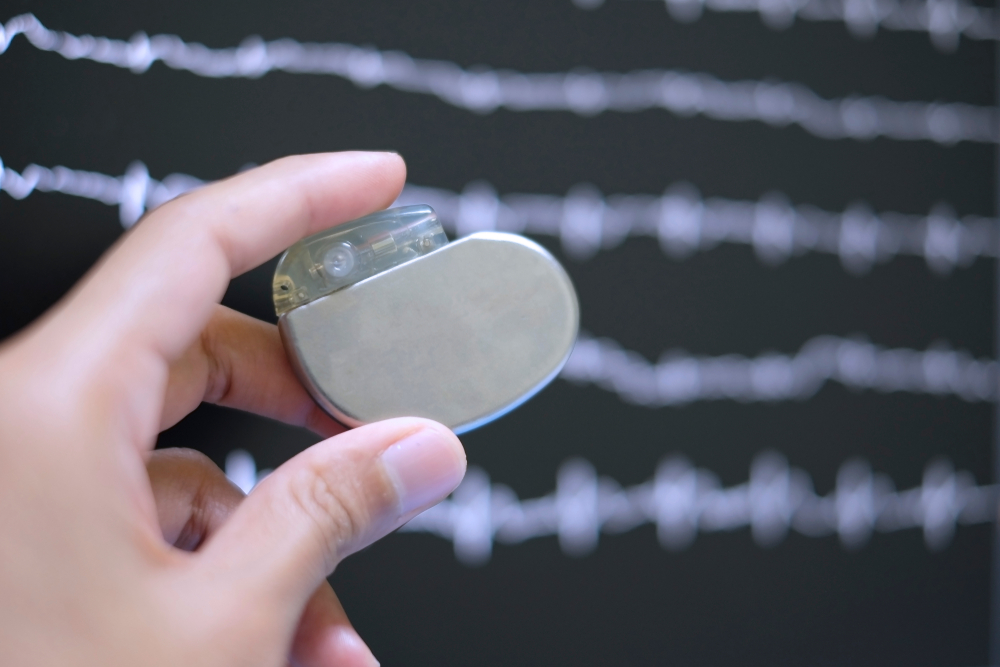
Pacemaker implantation is a minor surgical procedure that places a small device under your skin to help regulate an irregular heartbeat. Most patients go home within a day and return to normal activities within a few weeks. Living with an internal pulse means adjusting to a device that quietly keeps your heart rhythm steady, giving you more energy and fewer symptoms.
A racing heart. A sudden dizzy spell. A tired feeling that never seems to lift. These are signs your heart’s electrical system may need a little help. For many patients, pacemaker implantation offers a reliable solution, restoring a steady rhythm and giving families peace of mind.
If your cardiologist has recommended this procedure, you probably have questions about what happens next. Here’s what living with an internal pulse actually looks like, from the procedure itself to your first weeks at home.
What Happens During Pacemaker Implantation?
Pacemaker implantation is typically performed under local anesthesia and light sedation, meaning you stay comfortable but don’t require general anesthesia. A cardiologist places thin wires, called leads, through a vein and into the heart. These leads connect to a small pulse generator, usually implanted just under the skin near the collarbone.
The entire procedure often takes one to two hours. Most patients stay overnight for observation before heading home the next day.
Why Some Patients Need a Pacemaker
Your cardiologist may recommend pacemaker implantation if you experience:
- A heartbeat that’s too slow (bradycardia)
- Fainting spells linked to irregular rhythms
- Heart block, where electrical signals don’t travel properly
- Certain arrhythmias that don’t respond to medication alone
Each case is different, which is why a thorough evaluation at your cardiology clinic in Brooklyn helps determine whether a pacemaker is the right next step.
Adjusting to Life After Pacemaker Implantation
Living with an internal pulse takes some adjustment, but most patients find the transition smoother than expected. Your device continuously monitors your heartbeat and delivers gentle electrical signals whenever your natural rhythm slows down too much.
The First Few Weeks
Recovery is usually straightforward. Common guidance includes:
- Avoiding heavy lifting or overhead arm movements for a few weeks
- Keeping the incision site clean and dry
- Attending a follow-up appointment so your cardiologist can check the device settings
- Watching for signs of infection, such as redness or swelling
Long-Term Life With a Pacemaker
Over time, most patients barely notice their device. Batteries typically last 8 to 12 years, and routine checkups make sure everything continues working as it should. Many patients return to exercise, travel, and hobbies without restriction, once their care team gives the green light.
Family members often play an important role during this adjustment period. Helping track appointments, watching for unusual symptoms, and offering encouragement can make recovery feel less overwhelming for everyone involved.
Are There Any Risks With Pacemaker Implantation?
As with any procedure, pacemaker implantation carries some risk, though complications are uncommon. Possible issues include infection, bleeding, or lead displacement. Your cardiologist will walk you through these risks beforehand and explain how your specific health history factors into your care plan.
Take the Next Step
Pacemaker implantation can restore steady rhythm, renewed energy, and confidence for patients and families alike. If you or a loved one has been experiencing symptoms of an irregular heartbeat, don’t wait to get answers. Our Cardiology team is here to guide you through every step, from diagnosis to recovery. Reach out today by calling +1-718-367-2555 or visiting us at 1797 Pitkin Avenue, Brooklyn, NY 1121 to schedule a consultation and take a confident step toward lasting heart health.