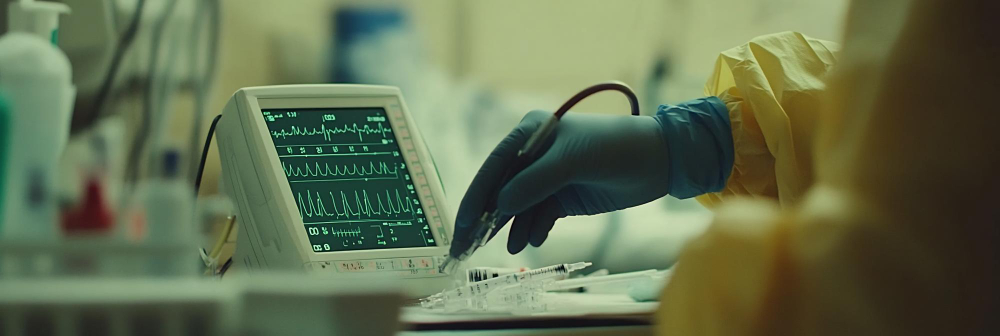
A nuclear stress test uses safe radiotracers, small amounts of radioactive material, to create images of blood flow to the heart at rest and during exertion. A cardiologist typically orders this test to check for blocked arteries or reduced blood flow that a standard stress test might miss. The radiation exposure is minimal and considered safe for most patients.
Chest pain, shortness of breath, or an abnormal EKG can leave you with more questions than answers. A nuclear stress test helps fill in those gaps. It shows your care team exactly how well blood is reaching your heart muscle, both when you are resting and when your heart is working hard. If you have been told you need this test, understanding what it involves and why safe radiotracers are used can ease some of that uncertainty. This guide breaks down the process step by step.
What Is a Nuclear Stress Test?
A nuclear stress test is an imaging exam that measures blood flow to the heart muscle. It combines a small dose of a radioactive tracer with either exercise or medication to see how your heart performs under stress compared to rest.
This test is often ordered when a standard treadmill stress test does not provide enough detail, or when a patient cannot exercise due to joint pain, mobility issues, or other health conditions.
How Do Safe Radiotracers Show Blood Flow to the Heart?
The tracer is injected into a vein and travels through your bloodstream. A special camera then detects the tracer as it moves through your heart, capturing images of areas that receive strong blood flow and areas that may not.
What Happens During the Test?
- Rest images are taken first. You receive a small dose of the tracer while lying still, and a camera captures baseline images of your heart.
- Stress is introduced. You either walk on a treadmill or receive medication that mimics the effects of exercise on your heart rate.
- Stress images follow. A second dose of tracer is given, and new images are taken to compare blood flow under stress against blood flow at rest.
Are Radiotracers Actually Safe?
The radiotracers used in this test involve a very small amount of radiation, similar to or sometimes lower than other common imaging exams. According to the American Heart Association, the benefits of identifying blocked or narrowed arteries generally outweigh the minimal risks associated with this level of radiation exposure (American Heart Association, 2024). Most people tolerate the tracer well, with side effects being rare and mild when they do occur.
When Might a Cardiologist Recommend This Test?
A cardiologist may recommend a nuclear stress test if you have unexplained chest pain, an abnormal EKG, or a history of heart disease. It is also used to evaluate how well treatment is working after a heart attack, bypass surgery, or angioplasty.
If you live in New York City, a cardiology clinic in Brooklyn can coordinate this test alongside your other cardiac care, so your results are reviewed by someone already familiar with your health history. Working with a cardiology clinic in Brooklyn also means faster follow-up conversations about your results, rather than waiting weeks for a specialist referral.
You Deserve Clear Answers About Your Heart
Waiting for test results is never easy, especially when your heart is involved. A nuclear stress test gives your cardiologist a clear picture of how blood is moving through your heart, using safe radiotracers that carry minimal risk. Reach out to our Cardiology team today by calling +1-718-367-2555 or visiting us at 1797 Pitkin Avenue, Brooklyn, NY 1121 to schedule a consultation and take the next step toward understanding your heart health.