Chest pain and shortness of breath are frightening. When your heart doesn’t feel right, you want clear answers, not more worry. A nuclear stress test gives your care team a detailed look at how blood moves through your heart, both at rest and during activity.
This imaging test uses a small amount of a safe radioactive tracer to map blood flow inside your heart muscle. It helps doctors identify areas that aren’t getting enough blood, which can indicate coronary artery disease. If you or a loved one has been told you need this stress test, understanding the process can ease much of the anxiety. Let’s walk through it together.
How a Nuclear Stress Test Works
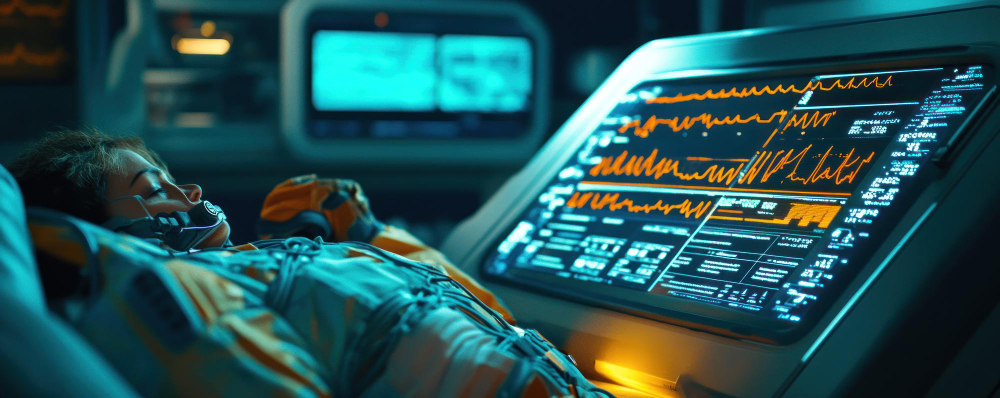
The idea behind the test is simple. Your heart needs more blood when it works harder. A nuclear stress test compares two sets of images, one while you rest and one after your heart is under stress.
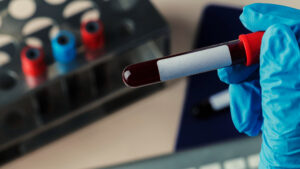
A technician places a small IV in your arm and injects a radiotracer. Your heart cells absorb it, and a special camera captures how the tracer moves. Areas that light up are getting good blood flow. Darker spots may signal a blockage.
SPECT and PET Tracers
Two types of scans are used, and both are nuclear imaging tests:
- SPECT scan: Uses tracers like technetium-99m to create detailed pictures of blood flow. This is the most common option.
- PET scan: Uses tracers such as rubidium-82 and often gives sharper images with lower radiation.
Rest Versus Stress Imaging
You’ll either walk on a treadmill or, if exercise isn’t possible, receive medicine that mimics its effects on your heart. When your heart rate peaks, a second dose of tracer is given, and more images are taken. Comparing the two sets tells your heart doctor exactly where blood flow falls short.
Who Needs This Stress Test
You may need a nuclear stress test if you have symptoms that suggest your heart isn’t getting enough blood. A skilled cardiologist may recommend it when you experience:
- Chest pain or pressure, known as angina
- Shortness of breath, especially during activity
- Known or suspected coronary artery disease
- New or worsening symptoms after a past heart event
If you’re unsure whether your symptoms warrant a visit, our cardiology care team can help you decide on the right next step. You can also review the warning signs of heart trouble to know when to act quickly.
How to Prepare
Good preparation helps your test go smoothly. Your care team will give you specific instructions, but most people are asked to:
- Avoid caffeine for 24 hours before the test
- Fast for four to six hours beforehand
- Wear comfortable clothes and walking shoes
- Ask which medicines to pause, without stopping anything on your own
What Your Results Mean
Waiting on results is stressful. Here’s what the images can show:
- Normal flow at rest and stress: Your blood flow is healthy.
- Normal at rest, low during stress: A possible blockage, a common sign of coronary artery disease.
- Low flow at all times: Severe blockage or damage from a past heart attack.
Your best cardiologist will explain your results clearly and guide you toward any next steps, such as further testing or treatment.
Safety and Risks
A nuclear stress test is safe for most people. Serious complications occur in roughly 1 in 5,000 cases. The radiation dose is small, and your body clears the tracer within a day or two. Mild effects like flushing or a brief headache usually fade quickly.
Take the Next Step for Your Heart
You don’t have to face heart concerns alone. If chest pain, breathlessness, or a doctor’s recommendation has brought you here, expert help is within reach. Schedule a visit with our Cardiology team today by calling +1-718-367-2555 or visiting us at 1797 Pitkin Avenue, Brooklyn, NY 11212, and get the clear, compassionate answers your heart deserves.