Chilblains and Raynaud’s are two cold-related conditions that cause painful, itchy swelling in the hands and feet of elderly adults. A sudden temperature drop makes blood vessels overreact, restricting blood flow and damaging tissue. Older adults are especially vulnerable because circulation naturally slows with age.
Watching a loved one wince while pulling on socks or rubbing swollen, discolored toes is unsettling, especially when the weather has barely turned cold. For many elderly adults, a sudden temperature drop does more than make a room feel chilly. It can trigger chilblains and Raynaud’s, two conditions that cause painful, itchy swelling in the fingers and toes.
You are not imagining how sudden this seems. Chilblains and Raynaud’s often appear without warning, flaring after a quick trip outside or even a draft from an open door. Understanding why this happens is the first step toward protecting your loved one’s comfort and circulation this winter.
Why Sudden Temperature Drops Trigger Chilblains and Raynaud’s in the Elderly
Aging slows circulation throughout the body, and the hands and feet feel that change first. When the temperature drops quickly, blood vessels near the skin’s surface react in ways that can injure tissue rather than protect it.
What Causes Chilblains
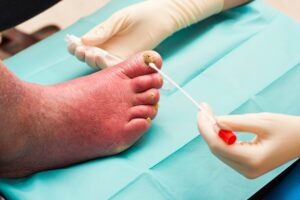
Chilblains develop when small blood vessels in the skin react abnormally to cold, then warm up too fast. The rapid shift causes blood to leak into nearby tissue, leading to red or purple patches, swelling, and an itching or burning sensation. Elderly adults with poor circulation or diabetes face a higher risk because their vessels are already working harder to deliver blood to the extremities.
What Causes Raynaud’s
Raynaud’s phenomenon is a vascular response in which small arteries supplying the fingers and toes narrow suddenly, cutting off blood flow for minutes at a time. The skin may turn white, then blue, then red as circulation returns. Cold exposure and stress are the most common triggers, and episodes tend to become more frequent with age.
Recognizing Painful Itchy Swelling: Symptoms in Older Adults
Spotting the signs early can prevent a mild flare-up from turning into a lasting injury. Watch for:
- Color changes: Patches of red, purple, blue, or white skin, often on the toes, fingers, ears, or nose.
- Swelling: Puffiness around the affected joints that worsens after cold exposure.
- Itching or burning: A persistent, uncomfortable sensation that can disrupt sleep or daily routines.
- Tenderness to touch: Skin that feels sore even with light pressure, sometimes developing blisters in severe cases.
- Slow warming: Fingers or toes that take an unusually long time to regain normal color and feeling.
If your loved one describes these symptoms, you are not dealing with something minor to brush aside. Early attention keeps a painful flare-up from becoming a skin break or infection.
Cold-Weather Safety and Prevention Tips for the Elderly
Small daily habits make a real difference in reducing chilblains and Raynaud’s flare-ups.
- Layer strategically: Dress in warm socks, gloves, and insulated shoes before heading outside, even for short errands.
- Avoid sudden warming: Encourage gradual warming with blankets rather than direct heat sources like space heaters, which can injure skin that already has reduced sensation.
- Keep extremities dry: Damp skin loses heat faster, so change out of wet socks or gloves right away.
- Limit cold exposure: Shorten time outdoors during sudden temperature drops, particularly on windy days.
- Monitor circulation: Check hands and feet daily for color changes, swelling, or skin breaks.
When to See Podiatrists
Not every case of chilblains needs a medical visit, but some warning signs call for prompt care if you notice open sores, skin that does not return to normal color after warming, or swelling that lasts more than a few days. These signs can point to tissue damage or infection that needs treatment beyond home care.
Finding Relief and Peace of Mind This Winter
Living with chilblains or Raynaud’s does not mean accepting painful swelling as a normal part of aging. With the right prevention habits and professional support, your loved one can stay comfortable even when temperatures drop without warning.
Our podiatry team works with you to identify the cause of your pain and build a treatment plan suited to your lifestyle. Reach out to us today by calling +1-718-367-2555 or visiting us at 1797 Pitkin Avenue, Brooklyn, NY 1121 to schedule an evaluation and take the first step toward lasting relief.