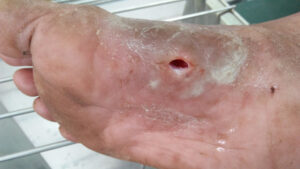
Morton’s neuroma is a thickening of tissue around the nerves between your toes, often causing burning, tingling, or numbness in the ball of your foot. Wide shoes alleviate forefoot tingling because they stop the toes from being squeezed together, which reduces pressure on the irritated nerve and eases discomfort with each step.
Foot tingling can feel alarming, especially when it shows up during a simple walk or standing at the kitchen counter. If you or a loved one has noticed a burning or numb sensation near the ball of the foot, Morton’s neuroma may be the cause. The good news is that relief is often closer than you think. Understanding why wide shoes alleviate forefoot tingling can help you make small changes that bring real comfort, while knowing when to see a podiatrist ensures the condition does not get worse.
What Is Morton’s Neuroma and Why Does It Cause Forefoot Tingling?
Morton’s neuroma develops when the tissue surrounding a nerve in your foot, usually between the third and fourth toes, becomes thickened and irritated. This thickening puts pressure on the nerve every time weight is placed on the foot, which is why tingling, burning, or a feeling like a pebble is stuck in your shoe often follows.
How the Nerve Gets Compressed
Repeated pressure from tight footwear, high heels, or activities that involve a lot of forefoot impact can squeeze the bones near the nerve together. Over time, this compression irritates the nerve and triggers the tingling sensation you feel with Morton’s neuroma.
Why Wide Shoes Alleviate Forefoot Tingling from Morton’s Neuroma
Wide shoes alleviate forefoot tingling because they give your toes room to spread naturally instead of being forced into a narrow, pointed shape. Less compression means less irritation to the nerve, which can noticeably reduce the burning or numb sensations you feel while walking or standing.
What to Look for in a Shoe
- Wide toe box: Choose shoes with enough width to let your toes rest without pressing against each other.
- Low, stable heel: A lower heel shifts weight away from the ball of your foot.
- Cushioned sole: Extra padding absorbs shock and eases pressure on the irritated nerve.
- Adjustable fit: Laces or straps let you customize the fit as swelling changes throughout the day.
Other Ways to Manage Morton’s Neuroma
Beyond footwear, a few simple habits can offer additional relief:
- Rest your feet and avoid high-impact activities when symptoms flare up.
- Apply ice to the affected area for 15 to 20 minutes at a time.
- Try metatarsal pads to redistribute pressure away from the nerve.
- Massage the forefoot gently to ease tension around the toes.
When to See a Podiatrist
If tingling persists despite switching to wider shoes, it is time to speak with a podiatrist. A podiatrist can confirm the diagnosis and recommend targeted treatment before the condition progresses.
What to Expect at a Podiatry Clinic in Brooklyn
At a podiatry clinic in Brooklyn, your visit typically begins with a conversation about your symptoms and footwear habits, followed by a hands-on exam of the affected foot. From there, your podiatrist will walk you through options, which may include custom orthotics, padding, or other treatments suited to your needs.
Take the Next Step Toward Pain-Free Feet
You do not have to live with ongoing forefoot tingling. Small changes, like choosing wider shoes, can bring meaningful relief, and our podiatry team is here to guide you through the next steps if symptoms continue. Reach out to us today by calling +1-718-367-2555 or visiting us at 1797 Pitkin Avenue, Brooklyn, NY 1121 to schedule an evaluation with a podiatrist and start walking more comfortably.