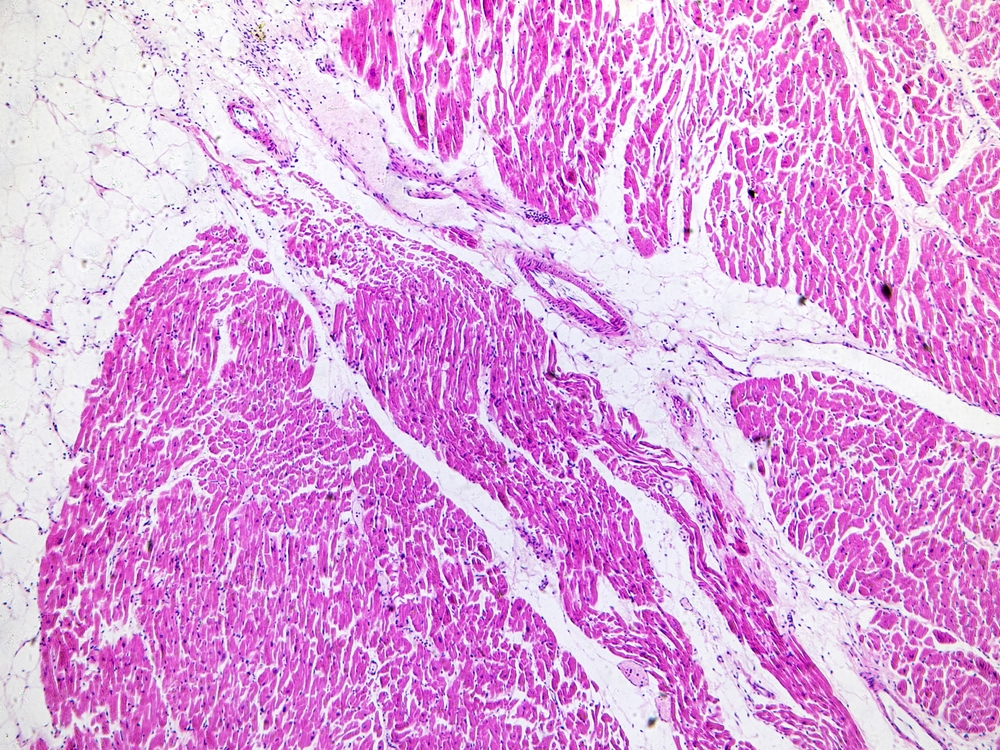
The main difference between dilated and hypertrophic cardiomyopathy lies in how the heart muscle changes shape. Dilated cardiomyopathy causes the heart’s chambers to stretch and weaken, while hypertrophic cardiomyopathy causes the heart muscle to thicken abnormally. Both conditions can run in families, but they involve different genes and require different care from a cardiologist.
Learning that a loved one’s heart is not working the way it should can feel overwhelming. When a diagnosis involves an unfamiliar term like cardiomyopathy, it helps to understand exactly what is happening and why. The difference between dilated and hypertrophic cardiomyopathy comes down to structure, genetics, and how each condition is managed, and knowing these details can help your family feel more prepared for what comes next.
Key Differences Between Dilated and Hypertrophic Cardiomyopathy
Both conditions affect the heart muscle, but in opposite ways.
What Is Dilated Cardiomyopathy?
Dilated cardiomyopathy occurs when the heart’s main pumping chamber, the left ventricle, becomes enlarged and stretched. As the chamber widens, the muscle weakens and struggles to pump blood efficiently. Over time, this can lead to heart failure if left unmanaged.
What Is Hypertrophic Cardiomyopathy?
Hypertrophic cardiomyopathy involves the opposite process. The heart muscle, particularly the walls of the left ventricle, thickens abnormally. This thickening can make it harder for the heart to relax between beats and, in some cases, block blood flow leaving the heart.
What Genetic Differences Cause Dilated and Hypertrophic Cardiomyopathy?
Both conditions often have a genetic root, which is why family history matters so much in diagnosis.
Which Genes Are Involved in Each Condition?
Dilated cardiomyopathy is most commonly linked to mutations in the TTN gene, which provides instructions for making titin, a protein essential to muscle structure. According to TTN mutations account for roughly 20 percent of inherited dilated cardiomyopathy cases. Hypertrophic cardiomyopathy, on the other hand, is most often caused by mutations in the MYH7 or MYBPC3 genes, which affect proteins responsible for heart muscle contraction. Most cases of both conditions follow an autosomal dominant inheritance pattern, meaning a child has a 50 percent chance of inheriting the condition if one parent carries the gene.
How Are Symptoms and Diagnosis Different for These Two Conditions?
Symptoms can overlap, including fatigue, shortness of breath, and irregular heartbeat, which is why testing matters more than symptoms alone. Dilated cardiomyopathy often shows signs of fluid buildup, such as swelling in the legs, while hypertrophic cardiomyopathy may cause chest pain or fainting during physical activity. A cardiologist typically diagnoses either condition using an echocardiogram, an electrocardiogram, and genetic testing when a family history is present.
What Treatment Options Are Available, and When Should You See a Cardiologist
Treatment depends on the specific diagnosis. Dilated cardiomyopathy is often managed with medications that reduce strain on the heart, while hypertrophic cardiomyopathy may require medications that help the heart relax more fully or, in some cases, a procedure to relieve blood flow blockages. If you or a family member has unexplained fatigue, fainting, or a family history of heart disease, a cardiology clinic in Brooklyn can provide the testing needed to catch these conditions early, when treatment tends to be most effective.
Take the Next Step in Protecting Your Heart
Understanding the difference between dilated and hypertrophic cardiomyopathy is the first step toward protecting your family’s heart health. Genetic testing and early evaluation from a cardiologist can make a meaningful difference in how these conditions are managed over time. Our Cardiology team is here to walk you through every step, from testing to treatment, with the compassionate support your family deserves. Reach out to our team today by calling +1-718-367-2555 or visiting us at 1797 Pitkin Avenue, Brooklyn, NY 1121 to schedule a consultation.