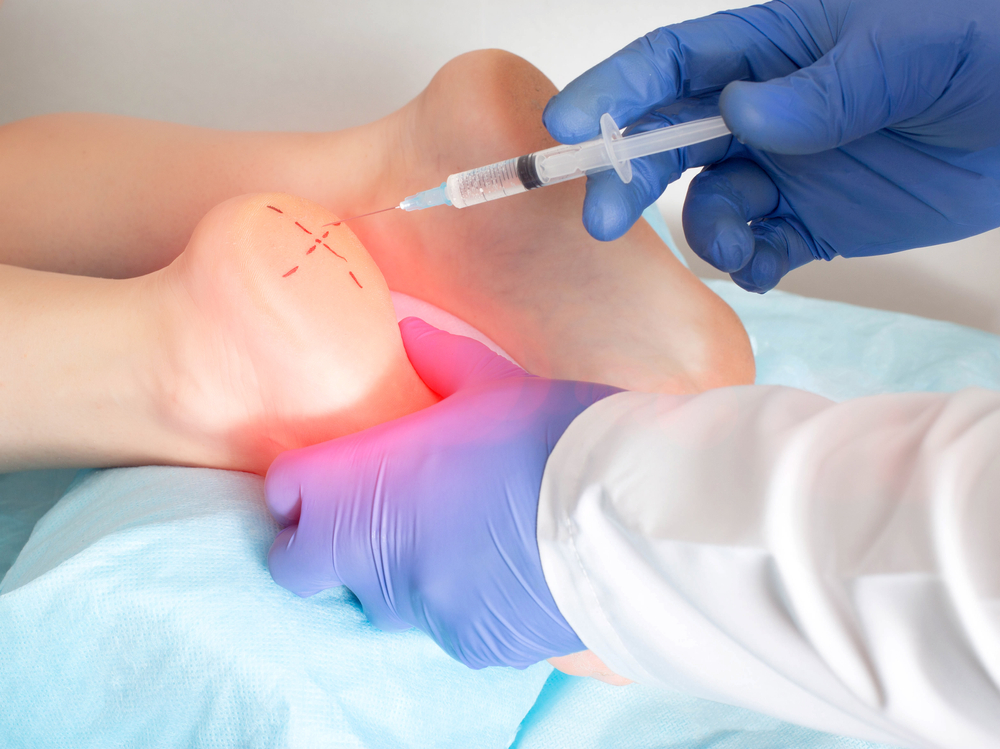
Platelet-rich plasma (PRP) is typically considered for chronic heel pain when conservative treatments such as stretching, orthotics, and physical therapy have failed after several months. PRP uses your own blood’s healing factors to reduce inflammation and support tissue repair, most often for stubborn cases of plantar fasciitis. A podiatrist can determine if you are a good candidate based on your symptoms and treatment history.
Every step feels like a reminder of the pain in your heel, and that ache has likely followed you for weeks or even months now. Chronic heel pain can wear on your patience and your daily routine, especially when the usual fixes, like new shoes or a stretching routine, have not brought the relief you hoped for. If you are at this point, you may be wondering what comes next.
Platelet-rich plasma therapy has become a more common option for people in exactly this situation. This article walks you through what chronic heel pain looks like, why it lingers, and when PRP might be the right next step in your care.
What Causes Chronic Heel Pain?
Heel pain becomes chronic when it persists for more than a few months despite rest and home treatment. The most frequent cause is plantar fasciitis, an inflammation of the thick band of tissue connecting your heel to your toes. Other contributors include heel spurs, Achilles tendinitis, and nerve irritation.
You are not imagining how disruptive this can be. Pain that flares with your first steps in the morning or after long periods of standing often points to an underlying issue that needs targeted treatment, not just patience.
When Should You Consider PRP for Chronic Heel Pain?
Most podiatrists recommend starting with conservative care first. PRP typically becomes worth discussing when the following apply:
- You have tried standard treatments for at least three to six months. This includes stretching, supportive footwear, orthotics, and anti-inflammatory measures.
- Physical therapy has not resolved your symptoms. Persistent pain despite guided exercises may signal a need for a different approach.
- You want to avoid or delay surgery. PRP is minimally invasive and may help you sidestep more involved procedures.
- Imaging confirms a soft tissue issue. Conditions like plantar fasciitis or tendon damage tend to respond best to PRP’s regenerative properties.
If these describe your situation, it is reasonable to bring up PRP during your next visit with your podiatrist.
How Does PRP Work for Heel Pain?
PRP treatment starts with a small blood draw, similar to a routine lab test. The blood is then processed to concentrate the platelets, which contain growth factors that support healing. Your podiatrist injects this concentrated plasma directly into the affected area of your heel, where it works to reduce inflammation and encourage tissue repair.
Many patients notice gradual improvement over several weeks as the tissue heals. Results vary from person to person, so your podiatrist will help set realistic expectations based on your specific case.
What Can You Expect During Recovery?
Recovery from PRP is generally straightforward. You may experience mild soreness at the injection site for a few days. Most people resume normal activity within a short window, though your podiatrist may recommend limiting high-impact exercise while your heel heals.
Patience matters here, just as it does with any healing process. Improvement tends to build gradually rather than overnight, and following your podiatrist’s aftercare guidance gives the treatment the best chance to work.
You Do Not Have to Manage Chronic Heel Pain Alone
Living with heel pain day after day takes a toll, both physically and emotionally. You deserve care that looks at your whole situation and offers real options when the basics have not worked. Our podiatry team is here to help you understand whether PRP or another treatment path is right for you. Reach out to us today by calling +1-718-367-2555 or visiting us at 1797 Pitkin Avenue, Brooklyn, NY 1121 to schedule an evaluation and take the next step toward walking without pain.