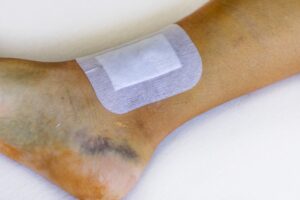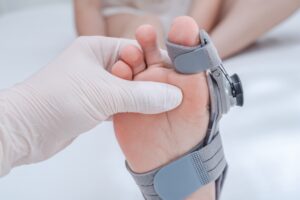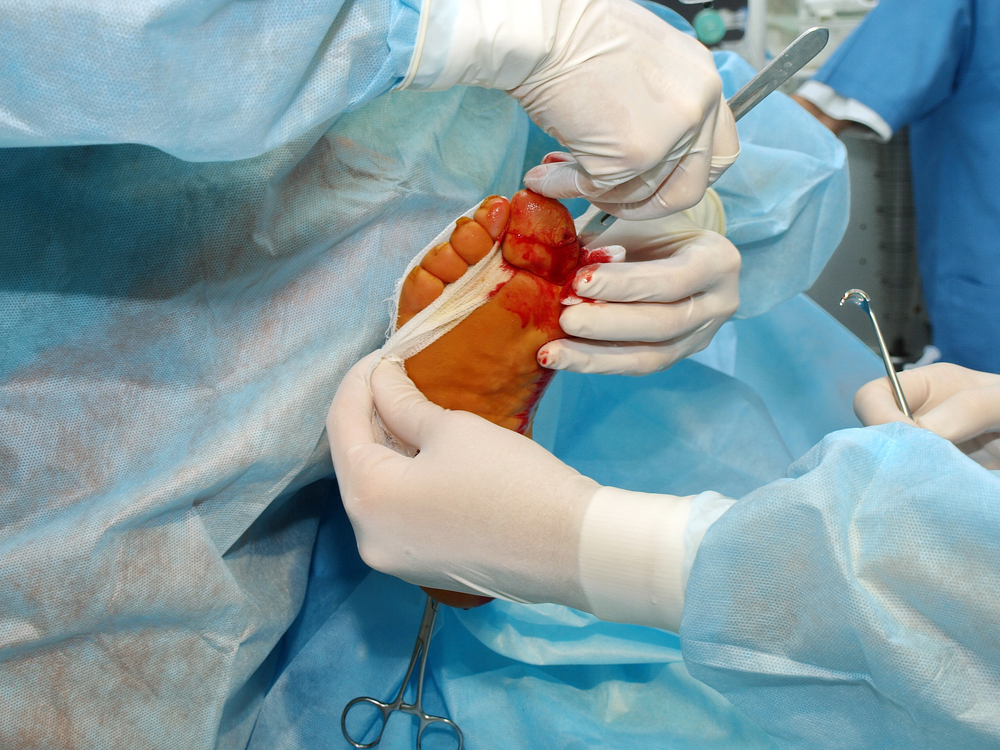
Preparing your home for non-weight-bearing foot surgery means clearing walkways, setting up a recovery station on one level, stocking supplies within reach, and arranging bathroom safety equipment before your procedure. Planning reduces fall risk and helps you heal without added stress during the weeks you cannot put weight on your foot.
Facing foot surgery is stressful enough without wondering how you will manage everyday tasks afterward. If your podiatrist has recommended a procedure that requires you to stay off your foot completely, the days leading up to surgery are the best time to get your home ready. A little preparation now means fewer surprises later, and it gives your body the calm, safe space it needs to heal.
This guide walks you through the practical steps for preparing your home for non-weight-bearing foot surgery, so you can focus on recovery instead of scrambling to solve problems after the fact.
Why Home Preparation Matters Before Foot Surgery
Recovering from non-weight-bearing foot surgery often means using crutches, a knee scooter, or a wheelchair for several weeks. According to the American Academy of Orthopaedic Surgeons, falls during recovery are a leading cause of complications and delayed healing. Your home environment plays a direct role in whether you avoid those setbacks.
Taking time to prepare also protects your independence. You will not have to ask for help with every small task if your space is already set up to support you.
Clear Pathways and Reduce Fall Risks
Before your surgery date, walk through your home and look at it from a new angle. Anything on the floor becomes a hazard when you are moving on crutches or a scooter.
- Remove loose rugs. These are a common tripping hazard and should be rolled up and stored away.
- Tape down loose cords. Charging cables and extension cords are easy to catch a wheel or crutch tip on.
- Widen walking paths. Move furniture, boxes, or plant stands that narrow hallways or doorways.
- Add night lights. Bathrooms and hallways should be well lit for nighttime trips.
Set Up a Recovery Station on One Level
Climbing stairs is difficult and often unsafe during the non-weight-bearing period. Set up a recovery station on the ground floor of your home if possible.
Your station should include:
- A comfortable chair or recliner with firm support
- Pillows to keep your foot elevated above heart level
- A side table for your phone, water, and medications
- Chargers within easy reach
- A small basket for daily essentials like tissues and snacks
Elevation matters more than most people expect. Keeping your foot raised reduces swelling and supports faster healing, according to guidance from the American Podiatric Medical Association.
Stock Supplies Before Your Podiatry Clinic Visit in Brooklyn
Grocery runs and errands become harder once you are non-weight-bearing. Stock up before your procedure so you are not stuck without essentials during your first week home.
Consider preparing:
- A week or two of groceries, including easy-to-prepare meals
- Extra prescription refills and over-the-counter pain relievers
- Bandages, gauze, and any wound care supplies recommended by your care team
- Ice packs for swelling management
If you have questions about what supplies you will specifically need, ask during your pre-surgery visit to your podiatry clinic in Brooklyn. Your podiatrist can tailor this list based on your procedure and recovery timeline.
Make Your Bathroom Safer
The bathroom is one of the riskiest rooms during recovery. Wet, slippery surfaces combined with tight spaces make falls more likely.
Helpful additions include:
- A shower chair or bench
- A handheld showerhead for easier washing while seated
- Grab bars near the toilet and shower
- A raised toilet seat if needed
- A non-slip mat inside and outside the shower
Many podiatrists recommend arranging these items in advance, since shopping for them after surgery is far more difficult.
Plan for Help During the First Few Days
Even with a well-prepared home, the first few days after surgery are the hardest. Arrange for a family member or friend to stay with you, or check in regularly, especially if you live alone.
Ask your podiatrist for a clear list of restrictions and warning signs before you leave the clinic. Knowing what is normal and what requires a call to the office gives you confidence during those early recovery days.
Take the Next Step Toward a Safer Recovery
Preparing your home before surgery is one of the most effective ways to protect your healing process and your peace of mind. Small changes like clearing walkways, setting up a recovery station, and stocking supplies can make a real difference in how smoothly your recovery goes.
If you have questions about what to expect or how to prepare, reach out to our podiatry team directly by calling +1-718-367-2555 or visiting us at 1797 Pitkin Avenue, Brooklyn, NY 1121 to schedule an evaluation. Our team is ready to guide you through every step, from your first consultation to your final follow-up appointment.