Diabetes can be frightening enough without wondering what happens during a foot exam. If you or your loved one has been told a foot check is needed, that uncertainty is completely normal. You are not alone in feeling unsure about the process.
The good news is that Medicare foot checks for diabetic foot are designed to be simple, low-stress, and preventive. Understanding what to expect at a diabetic exam can turn a worrying appointment into a reassuring one. This guide walks you through the basics, so you can feel confident before you ever sit down in the exam chair.
What Are Medicare Foot Checks for Diabetic Foot?
Medicare foot checks for diabetic foot are preventive exams covered under Medicare Part B. They are meant for people who have diabetic peripheral neuropathy, a condition where nerve damage reduces feeling in the feet.
Medicare covers this exam once every six months, as long as you have not already seen a foot care professional for a different reason during that period.
These checks matter because nerve damage can hide small wounds or infections. Without regular monitoring, a minor issue can quietly turn into something much more serious.
What to Expect at a Diabetic Exam
Walking into a diabetic foot exam for the first time can feel unfamiliar. Here is what typically happens once you arrive.
The Physical Exam
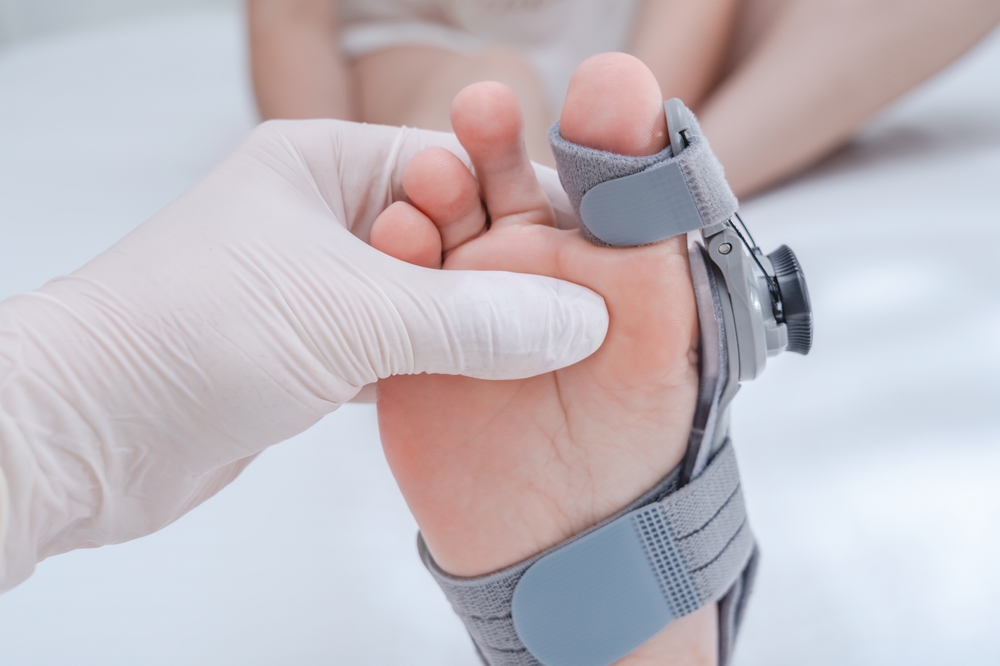
Your podiatrist will check your feet for changes in skin color, temperature, and texture. They will also look closely for any cuts, calluses, or sores that may not be causing pain due to reduced sensation.
Sensation and Circulation Testing
Expect a few simple, painless tests. Your podiatrist may use a soft filament to check nerve sensitivity or check pulses in your feet to assess blood flow.
Personalized Guidance
Before you leave, your podiatrist will explain any findings in plain language and offer guidance on daily foot care, proper footwear, and when to schedule a follow-up visit.
Why Regular Foot Checks Matter for Diabetic Health
Skipping foot checks is one of the most common reasons small problems become big ones. Nerve damage from diabetes often means you cannot feel early warning signs like blisters or pressure sores.
Regular visits to a podiatry clinic in Brooklyn help you:
- Catch problems early. Small wounds are treated before infection sets in.
- Protect mobility. Healthy feet support independence and daily activity.
- Reduce hospital visits. Preventive care lowers the risk of complications that lead to emergency treatment.
You do not have to manage this alone. A trusted podiatrist can help you stay ahead of complications before they start.
Your Feet Deserve Expert Care
Diabetic foot care can feel like one more thing to worry about. It does not have to be. With regular checks and a supportive podiatrist by your side, you can protect your health and catch small issues before they grow.
If you have questions about scheduling a diabetic foot exam, reach out to our podiatry team today by calling +1-718-367-2555 or visiting us at 1797 Pitkin Avenue, Brooklyn, NY 1121 to schedule an evaluation. Our team is here to guide you and your loved ones through every step of your care.