Percutaneous Achilles repair is a minimally invasive surgical technique that treats a torn Achilles tendon through small incisions instead of one large cut. This approach focuses on minimizing surgical scars from foot surgery while supporting a smoother recovery. A qualified podiatrist can help determine if this option fits your specific injury and health needs.
Tearing your Achilles tendon is painful enough without worrying about what your foot will look like afterward. If you have been told you need surgery, it is natural to wonder about scarring, recovery time, and how much your daily life will change.
The good news is that percutaneous Achilles repair was developed with exactly these concerns in mind. Instead of one long incision, this technique uses several small ones, which play a major role in minimizing surgical scars from foot surgery. Understanding how this procedure works can help ease your worries and prepare you for what comes next.
What Is Percutaneous Achilles Repair?
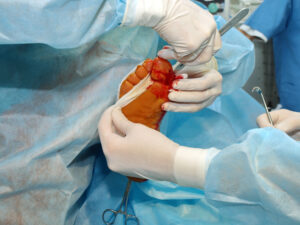
Percutaneous Achilles repair is a surgical technique used to treat a ruptured Achilles tendon. Rather than making one large incision along the back of your ankle, your podiatrist makes a series of small punctures. Sutures are then passed through these small openings to reconnect the torn tendon ends.
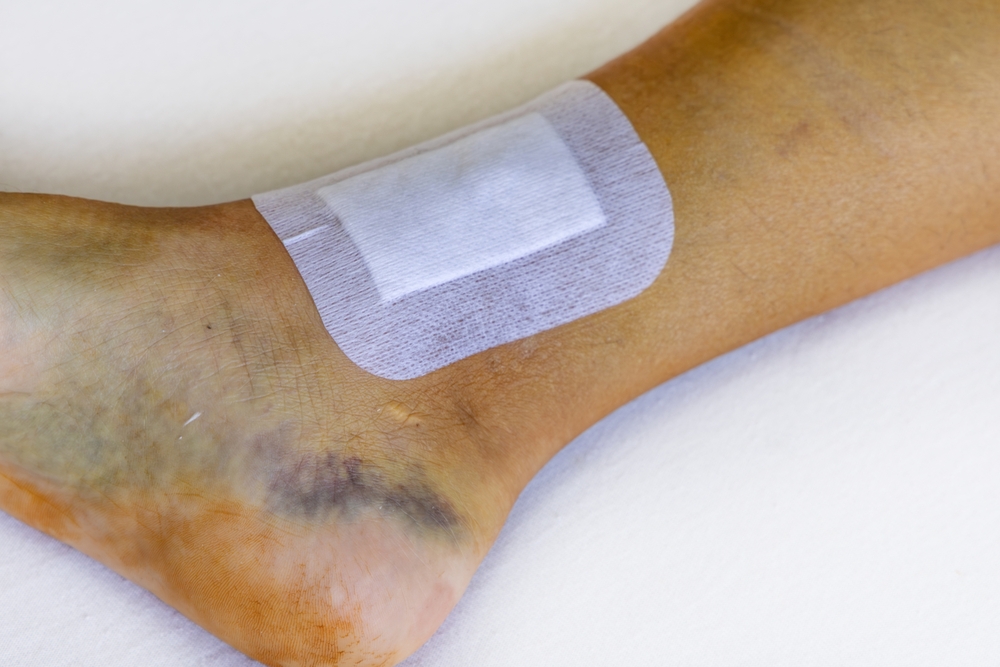
This method differs from traditional open repair, which typically requires a longer incision and more visible scarring. Because percutaneous Achilles repair limits the size and number of incisions, it is often chosen specifically for minimizing surgical scars of foot surgery while still restoring tendon strength.
Why Smaller Incisions Matter
Smaller incisions are not just about appearance. They also mean:
- Less tissue disruption. Fewer cuts mean less damage to the skin and surrounding tissue.
- Lower infection risk. Smaller wounds generally heal faster and have less exposed surface area.
- Reduced scar visibility. Many patients feel more confident about their foot’s appearance after healing.
What to Expect During Recovery
Recovery after percutaneous Achilles repair follows a fairly predictable path, though timelines vary from person to person.
The First Few Weeks
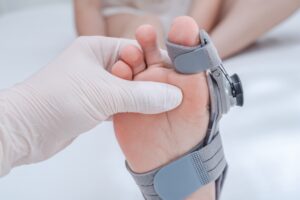
You can expect to wear a protective boot or cast to keep your ankle stable. Weight-bearing is usually limited at first, so using crutches or a knee scooter is common during this stage.
Physical Therapy and Healing
Once your podiatrist confirms your tendon is healing properly, physical therapy often begins. This helps restore strength, flexibility, and range of motion gradually and safely.
Long-Term Outlook
Most patients return to daily activities over several months. Athletes and highly active individuals may need additional time before resuming sports, depending on their specific case and their podiatrist’s guidance.
Who Is a Good Candidate for This Procedure?
Not every Achilles tear requires the same treatment. Your podiatrist will consider factors such as:
- The location and severity of the tear
- Your overall health and activity level
- Any prior foot or ankle injuries
A thorough evaluation at a podiatry clinic in Brooklyn can help determine whether percutaneous Achilles repair or another approach is the right fit for your specific injury.
Minimally invasive tendon repair typically involves percutaneous Achilles repair.
Ready to Learn More About Your Options?
Choosing the right treatment for an Achilles tear is a big decision, and you do not have to figure it out alone. A skilled podiatrist can walk you through your options and help you feel confident about your path to recovery.
If you would like to discuss whether percutaneous Achilles repair is right for you, reach out to our podiatry team today by calling +1-718-367-2555 or visiting us at 1797 Pitkin Avenue, Brooklyn, NY 1121 to schedule an evaluation. Our team is here to guide you through every step of your care.