PTRA aftercare steps center on protecting the puncture site at home through rest, careful wound checks, and avoiding pressure on the area for at least 24 to 48 hours. Watching for signs of bleeding or infection and knowing when to call a vascular specialist helps you recover safely and confidently.
Coming home after a percutaneous transluminal renal angioplasty, or PTRA, can feel like a lot to manage on your own. You already have enough to think about without worrying whether you are caring for the puncture site correctly. The good news is that protecting the puncture site at home is straightforward once you know what to look for and what to avoid. This guide walks you through the PTRA aftercare steps that matter most during your first few days of recovery.
What Happens to the Puncture Site After PTRA?
During PTRA, your doctor inserts a thin catheter through an artery, usually in the groin or wrist, to reach and open a narrowed renal artery. Once the procedure ends, that entry point becomes your puncture site. It needs time and care to heal properly.
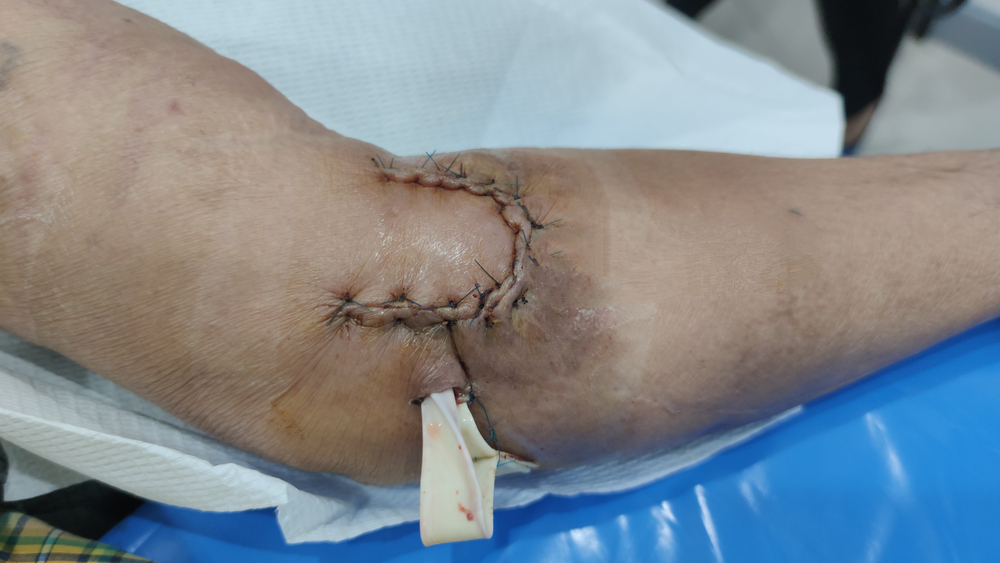
The puncture site is closed with either manual pressure, a closure device, or a small bandage. In the first day or two, the area may feel tender or bruised. This is normal. What matters is how you protect it while it heals.
Why the First 24 to 48 Hours Matter Most
Your body is still forming a stable clot at the puncture site during this window. Sudden movements, pressure, or strain can disrupt that healing process and lead to bleeding or a hematoma. This is why most PTRA aftercare steps focus heavily on this early period.
How Do You Protect the Puncture Site at Home?
Protecting the puncture site at home comes down to a few consistent habits.
- Keep the area dry. Avoid showering for the first 24 hours, or follow the specific timeline your vascular specialist gives you.
- Limit movement. Avoid bending, squatting, or heavy lifting for at least 48 hours to reduce strain on the healing artery.
- Check the bandage daily. Look for excessive bleeding, swelling, or a growing bruise, and replace the dressing as instructed.
- Avoid tight clothing. Loose clothing prevents unnecessary friction or pressure on the site.
- Stay hydrated. Drinking water supports kidney function and helps flush contrast dye used during the procedure.
What Signs Mean You Should Call a Vascular Specialist?
Some symptoms need attention right away. Contact your vascular specialist if you notice:
- Rapid swelling or a firm lump near the puncture site
- Bright red bleeding that does not stop with light pressure
- Numbness, tingling, or coldness in the leg or arm near the site
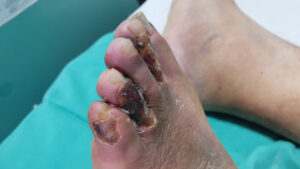
- Fever, redness, or drainage that suggests infection
These signs do not always mean something serious is wrong, but a vascular specialist can quickly confirm that your recovery is on track.
When Should You Follow Up With a Vascular Clinic in Brooklyn?
Most patients are asked to schedule a follow-up appointment within one to two weeks after PTRA. A vascular clinic in Brooklyn can monitor how well the artery is healing and check blood flow with imaging if needed. Keeping this appointment matters even if you feel fine, since some complications develop gradually.
If you notice new symptoms before your scheduled visit, do not wait. Reaching out to a vascular clinic in Brooklyn sooner rather than later can prevent a minor issue from becoming a bigger one.
Recovery Is Easier With the Right Support
Healing after PTRA does not have to feel uncertain. By following these aftercare steps and paying attention to how your body responds, you can protect the puncture site with confidence. Reach out to our Vascular team today by calling +1-718-367-2555 or visiting us at 1797 Pitkin Avenue, Brooklyn, NY 1121 to schedule a consultation or if you have questions about your recovery or need to schedule a follow-up visit.