Calcified coronary arteries occur when calcium deposits build up in the walls of the heart’s blood vessels, often signaling early plaque formation. Your heart calcium score measures this buildup on a scale from 0 to over 400, helping your cardiologist assess your risk of heart disease and guide next steps for your care.
Getting news about calcified coronary arteries can feel overwhelming. You may be staring at a lab report full of numbers, wondering what they mean for your health and your future. That worry is valid, and you are not alone in trying to make sense of it.
This guide breaks down what calcified coronary arteries are, what your heart calcium score means, and when it is time to talk to a cardiologist. Whether you just received your results or are supporting a loved one through this process, understanding these numbers is the first step toward feeling in control again.
What Are Calcified Coronary Arteries?
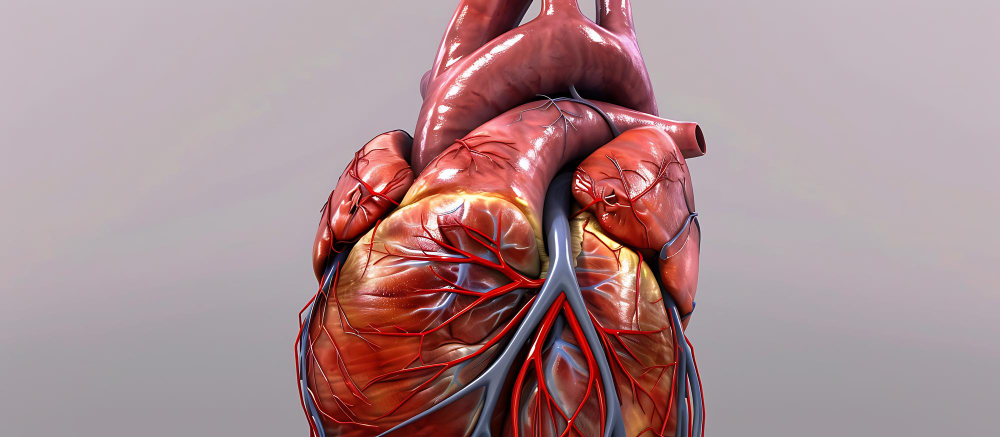
Calcified coronary arteries develop when calcium deposits collect within the walls of the arteries that supply blood to your heart. This calcium is often a marker of atherosclerosis, a condition where plaque, made of fat, cholesterol, and other substances, builds up over time.
The presence of calcium does not always mean a blockage is present today. It does tell your care team that plaque has been forming, sometimes for years, and that your arteries deserve closer attention.
What Your Heart Calcium Score Means
A heart calcium score, sometimes called a coronary artery calcium (CAC) score, comes from a specialized CT scan. This scan detects and measures calcium deposits in your coronary arteries, then assigns a number based on the amount found.
Your heart calcium score gives your cardiologist a clearer picture of your heart disease risk than many standard screenings alone. It can help explain symptoms, guide treatment decisions, and, in many cases, offer reassurance when the score is low.
Understanding Calcium Score Ranges
Scores are generally grouped into the following categories:
- Zero: No detectable calcium, indicating a low likelihood of significant plaque buildup.
- 1 to 99: Mild plaque presence. Lifestyle changes are often recommended at this stage.
- 100 to 299: Moderate plaque buildup. Your cardiologist may suggest closer monitoring or additional testing.
- 300 and above: Extensive plaque buildup, associated with a higher risk of heart attack or other cardiac events.
These ranges are a starting point, not a final verdict. Your age, family history, and other health conditions all shape what your score means for you specifically.
When to See a Cardiologist
You do not need to wait for a crisis to reach out to a cardiologist. Some signs that it is time to schedule a visit include:
- Family history: A parent or sibling with early heart disease raises your own risk.
- Persistent symptoms: Chest discomfort, shortness of breath, or unusual fatigue deserve evaluation.
- Known risk factors: High blood pressure, diabetes, or high cholesterol all warrant regular heart monitoring.
- An abnormal calcium score: Any score above zero is worth discussing with a specialist who can interpret it in the context of your full health picture.
Catching changes early gives you and your care team more options, and more time, to protect your heart.
How a Cardiology Clinic in Brooklyn Can Help
Living with the uncertainty of calcified coronary arteries is easier when you have a trusted care team nearby. A cardiology clinic in Brooklyn can offer the testing, imaging, and follow-up care needed to track your heart health over time, without requiring long trips or long waits.
A local cardiology clinic in Brooklyn also means your family can stay involved in appointments and decisions, which matters when emotional support is just as important as medical treatment. Coordinated care, close to home, helps you feel supported every step of the way.
Taking the Next Step for Your Heart
Understanding your heart calcium score is not about fear. It is about clarity, and clarity gives you the power to act. If you have questions about calcified coronary arteries or your recent results, our Cardiology team is here to walk through them with you, one step at a time.
Reach out to us today by calling +1-718-367-2555 or visiting us at 1797 Pitkin Avenue, Brooklyn, NY 1121 to schedule a consultation. Your heart and your peace of mind deserve nothing less.