The difference between innocent and pathological heart murmurs comes down to sound quality, timing, and associated symptoms. Innocent murmurs sound soft and brief, causing no other symptoms. Pathological murmurs are often louder, harsher, and paired with shortness of breath, fatigue, or chest pain. A cardiologist uses a stethoscope to assess these details and determine whether further testing is needed.
Hearing that your child, or even you, has a heart murmur can feel frightening. That single word, murmur, often brings to mind serious heart conditions before anyone has explained what it actually means.
Take a breath. Most heart murmurs are harmless.
Understanding the difference between innocent and pathological heart murmurs can ease a lot of that worry. This guide walks through how stethoscopes tell them apart, what each type sounds like, and when it makes sense to schedule a visit with a cardiologist.
What Is a Heart Murmur, Exactly?
A heart murmur is simply an extra sound heard during a heartbeat. Instead of the usual steady “lub-dub,” a doctor may hear a whooshing or swishing noise caused by blood moving through the heart’s chambers and valves.
Murmurs are incredibly common, especially in children. In fact, most kids will have a murmur detected at some point, and the vast majority turn out to be completely harmless.
The Difference Between Innocent and Pathological Heart Murmurs
Not all murmurs carry the same meaning. Understanding what separates the two types can help you know when reassurance is enough and when further evaluation matters.
Innocent Murmurs: Usually Nothing to Worry About
Innocent murmurs, sometimes called functional murmurs, happen when blood flows normally through a structurally healthy heart. They are common in children and can even appear during pregnancy or periods of rapid growth.
These murmurs typically:
- Sound soft, short, and musical
- Do not change with body position in concerning ways
- Occur without any other symptoms
- Do not require treatment or follow-up testing in most cases
Pathological Murmurs: When Further Testing Matters
Pathological murmurs point to an underlying structural issue, such as a valve that does not open or close properly, or a hole in the heart’s wall.
These murmurs are more likely to:
- Sound loud, harsh, or rough
- Occur alongside symptoms like fatigue, poor growth, bluish skin, or shortness of breath
- Change noticeably with breathing or position
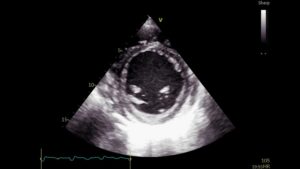
- Require imaging tests like an echocardiogram to confirm a diagnosis
How Stethoscopes Tell Innocent and Pathological Murmurs Apart
A skilled cardiologist relies on more than just hearing a murmur. They listen for specific characteristics that reveal what is happening inside your heart.
Location and Timing
Where a murmur is loudest, and when it occurs during the heartbeat, helps narrow down its cause. Murmurs heard between heartbeats, rather than during them, are more likely to signal a problem.
Sound Quality and Intensity
Cardiologists grade murmurs on a scale of one to six based on loudness. A very soft murmur that only shows up with a stethoscope pressed carefully is far less concerning than one loud enough to feel through the chest wall.
Response to Movement
Innocent murmurs often soften or disappear when a patient sits up or stands. Pathological murmurs tend to stay consistent regardless of position, which is one more clue your cardiologist listens for.
When Should You See a Cardiologist?
Most murmurs found during a routine checkup need nothing more than observation. Still, certain signs deserve a closer look.
Reach out to a cardiologist if you or your child experience:
- Shortness of breath during normal activity
- Chest pain or unusual fatigue
- Bluish lips or fingertips
- Poor feeding or slow growth in infants
A cardiology clinic in Brooklyn can provide the follow-up testing needed to confirm whether a murmur is innocent or requires ongoing care. Choosing a cardiology clinic in Brooklyn also means shorter wait times and continuity of care close to home.
Finding Clarity for Your Heart Health
A heart murmur diagnosis does not have to carry lasting fear. With the right evaluation, you can understand exactly what your heart is telling you and what, if anything, needs to happen next.
If you or a family member has been told there is a murmur, our Cardiology team is here to listen, explain, and guide you toward answers. Reach out to us today by calling +1-718-367-2555 or visiting us at 1797 Pitkin Avenue, Brooklyn, NY 1121 to schedule a consultation and gain the clarity you deserve.