The main difference between costochondritis and cardiac pain is how the pain responds to touch and movement. Costochondritis is inflammation of the rib cartilage, so pressing on the chest wall usually reproduces the pain. Cardiac pain rarely changes when you press on the ribs and often comes with shortness of breath, sweating, or pain spreading to the arm or jaw.
Chest pain is frightening, especially when you are not sure what is causing it. Many people search for the difference between costochondritis and cardiac pain the moment they feel a sharp twinge near the breastbone. That fear is valid. Chest pain can signal something as harmless as inflamed cartilage or as serious as a heart problem, and the symptoms can feel surprisingly similar.
This guide walks through what happens when you press on the ribs, how costochondritis differs from cardiac pain, and when it’s time to call a cardiologist. You do not have to guess your way through this. Understanding the pattern of your symptoms can help you respond with confidence rather than panic.
What Is Costochondritis?
Costochondritis is inflammation where the ribs connect to the breastbone through cartilage. It is a common, usually harmless cause of chest pain, but it can feel alarming because of where it sits.
Common Causes
- Physical strain: Heavy lifting, intense exercise, or repetitive arm movements can irritate the cartilage.
- Injury: A fall or direct blow to the chest can trigger inflammation.
- Illness: Respiratory infections and persistent coughing sometimes lead to costochondritis.
- Unknown origin: In many cases, doctors never identify a specific cause.
What Happens When You Press on the Ribs?
This is one of the clearest ways to tell the two conditions apart. With costochondritis, pressing on the chest wall, especially near the edge of the breastbone, typically reproduces or worsens the pain. The area may feel tender to the touch, and certain movements like twisting or deep breathing can make it worse.
Cardiac pain behaves differently. Pressing on the ribs usually does not change the intensity of true heart-related pain. If your pain feels the same whether you touch your chest or not, that is a signal to take it more seriously and speak with a cardiologist.
Difference Between Costochondritis and Cardiac Pain
Symptom | Costochondritis | Cardiac Pain |
Response to pressing on the chest | Pain increases or reproduces | Usually no change |
Location | Sharp, localized near the breastbone | Often spreads to arm, jaw, or back |
Onset | Gradual, tied to movement or strain | Can be sudden, tied to exertion or stress |
Associated symptoms | Tenderness, worse with breathing | Shortness of breath, sweating, nausea |
Duration | Can last days to weeks | Often comes in episodes |
When to See a Cardiologist
If your chest pain does not follow the clear pattern of costochondritis, it is worth having a cardiologist evaluate you. This is especially true if pressing on the ribs does not affect the pain at all.
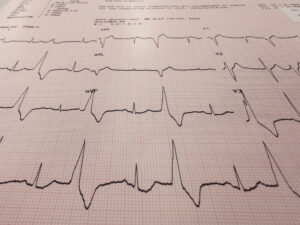
A cardiologist can run tests like an EKG or echocardiogram to rule out heart-related causes. Visiting a cardiology clinic in Brooklyn for a proper evaluation gives you clarity instead of uncertainty, and it means you are not left wondering whether your pain is safe to ignore.
Warning Signs That Need Immediate Attention
Call emergency services if you experience:
- Chest pain with shortness of breath
- Pain radiating to the arm, neck, or jaw
- Sudden sweating, dizziness, or nausea with chest discomfort
- Chest pain that does not ease with rest
Reach Out to Our Cardiology Team Today
Chest pain deserves a real answer, not a guessing game. Whether your discomfort turns out to be costochondritis or something that needs a cardiologist’s attention, getting evaluated brings peace of mind back into your day. Our Cardiology team is ready to help you understand what your body is telling you. Reach out to us today by calling +1-718-367-2555 or visiting us at 1797 Pitkin Avenue, Brooklyn, NY 1121 to schedule an evaluation.