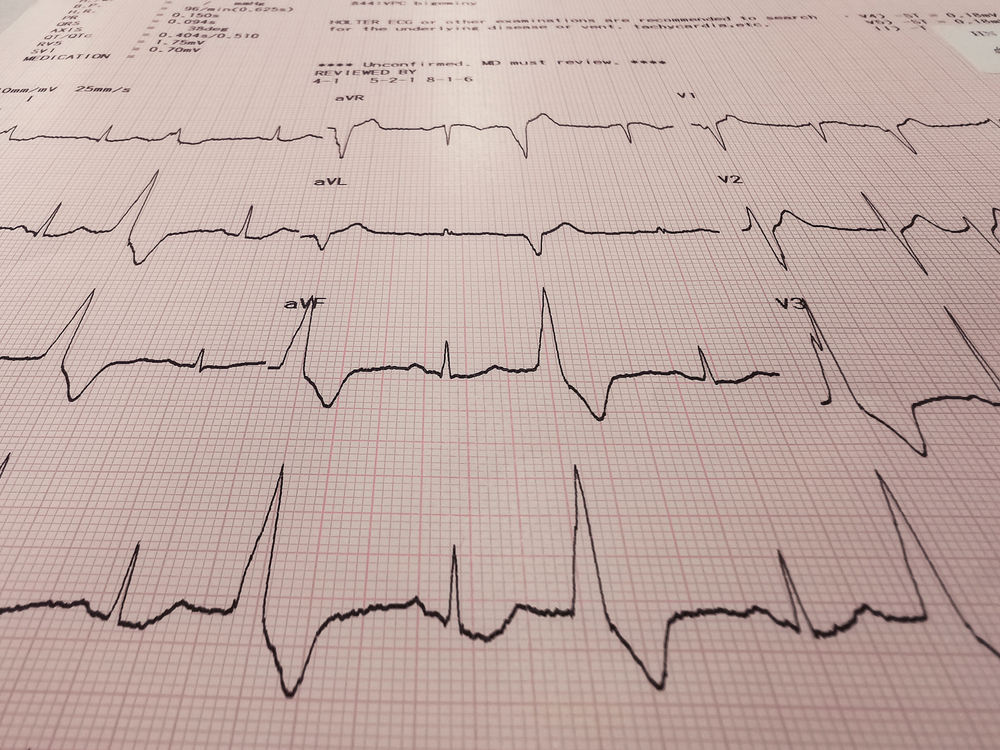
Premature ventricular contractions, or PVCs, are early heartbeats that begin in the heart’s lower chambers. Because they arrive out of rhythm, the heart pauses briefly before the next beat, and that pause is what creates the thumping or thudding sensation many people notice in their chest. Most PVCs are harmless, but a cardiologist can confirm that with simple testing.
Feeling your heart thump, flutter, or seem to skip a beat can be unsettling. If this has happened to you or someone you love, you are not imagining it. This sensation often points to premature ventricular contractions, extra heartbeats that start in the heart’s lower chambers before the next normal beat arrives. Understanding why skipped beats feel like thuds can ease a lot of unnecessary worry. In many cases, these early beats are common and harmless. Still, knowing what causes them and when to have them checked helps you feel more in control of your heart health and your family’s peace of mind.
What Are Premature Ventricular Contractions?
Premature ventricular contractions, or PVCs, happen when the heart’s ventricles fire an extra beat ahead of schedule. This throws off the heart’s normal rhythm for a moment.
The heart then pauses slightly to reset itself before the next regular beat. That brief pause allows more blood to fill the heart, so the following beat is stronger than usual.
Why Do Skipped Beats Feel Like Thuds?
That stronger beat is exactly why skipped beats feel like thuds in your chest. Your loved one may describe it as a flip-flop, a thump, or a brief flutter. It is not actually a missed beat. It is an early beat followed by a more forceful one.
Several things can trigger PVCs, including:
- Caffeine or alcohol: Both can overstimulate the heart’s electrical system.
- Stress or anxiety: Emotional strain often increases adrenaline, which can trigger extra beats.
- Lack of sleep: A tired body can throw off the heart’s natural rhythm.
- Underlying heart conditions: In some cases, PVCs signal a structural issue that a cardiologist should evaluate.
When Should You See a Cardiologist About PVCs?
Occasional thuds are rarely a reason for alarm. But if your loved one notices PVCs happening more often, lasting longer, or showing up alongside other symptoms, it is worth having a cardiologist take a closer look.
Symptoms Worth Mentioning
- Chest discomfort during or after the skipped beats
- Shortness of breath
- Dizziness or fainting
- A racing heartbeat that does not settle quickly
A cardiologist can use an EKG or a wearable heart monitor to see exactly what is happening during these episodes. This gives your family real answers instead of guesswork.
At our cardiology clinic in Brooklyn, we see patients every week who are relieved to learn their PVCs are benign once we run the right tests. Peace of mind often starts with simply knowing what is going on inside your chest.
Take the Next Step With Confidence
You do not have to carry the worry of unexplained skipped beats on your own. If your loved one has been feeling their heart thud, flutter, or skip, our Cardiology team is ready to help you find clear answers. Reach out to us today by calling +1-718-367-2555 or visiting us at 1797 Pitkin Avenue, Brooklyn, NY 1121 to schedule an evaluation and get the reassurance your family deserves.