Caring for a sternotomy incision means keeping it clean, dry, and watched closely for signs of infection while your breastbone heals over several weeks. Safe sleeping positions after open-heart surgery typically mean resting on your back, propped up slightly, and avoiding pressure on your chest or rolling onto your side too early. Your cardiologist will guide the exact timeline based on your recovery.
Coming home after open-heart surgery can feel overwhelming. You or your loved one just went through a major procedure, and now you are responsible for protecting a healing incision and finding a way to sleep comfortably without putting the chest at risk. Those two concerns, sternotomy incision care and safe sleeping positions after open-heart surgery, are often the first questions families ask once they leave the hospital.
The good news is that healing follows a predictable path, and small daily habits make a real difference. This guide walks through what to watch for with the incision, how to position yourself safely at night, and when it makes sense to reach out to a cardiologist for extra support.
How to Care for Your Sternotomy Incision at Home
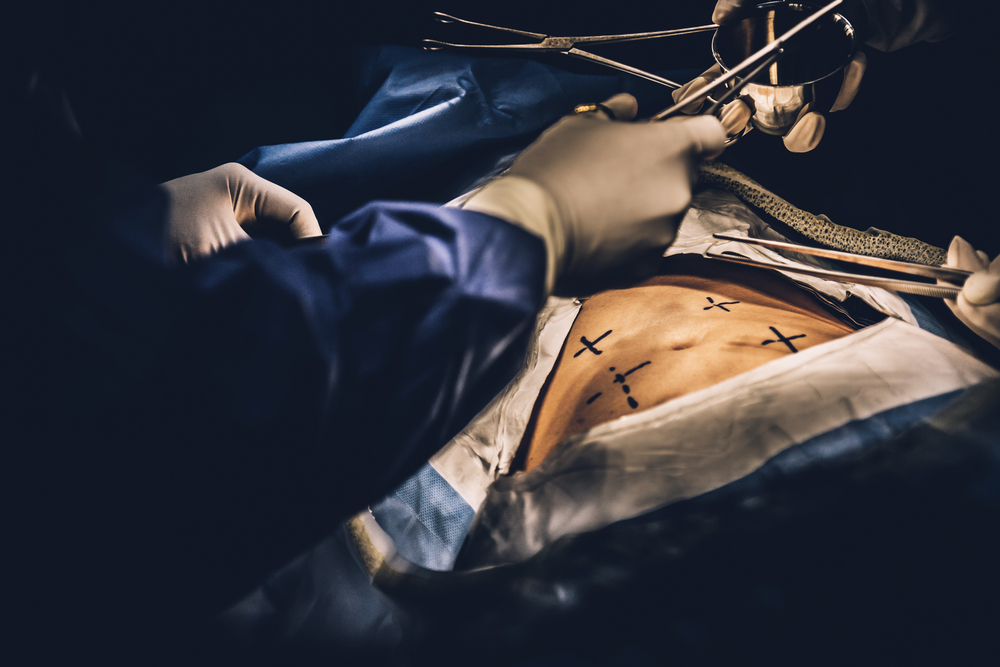
Your sternotomy incision runs down the center of your chest, over the breastbone that was carefully reopened and closed during surgery. Protecting this area is one of the most important parts of your recovery.
Daily Cleaning and Monitoring
Wash the incision gently with mild soap and water each day, then pat it dry. Avoid lotions, powders, or ointments unless your cardiologist specifically recommends them. Check the area daily for redness, swelling, warmth, or drainage, since these can be early signs of infection.
When to Call Your Cardiologist
Reach out right away if you notice increased redness around the incision, a fever above 101°F, or any clicking or shifting sensation in your breastbone. These symptoms do not always mean something serious, but your cardiologist needs to know so your care team can respond quickly.
Safe Sleeping Positions After Open-Heart Surgery
Sleep matters just as much as incision care during recovery, yet it is one of the hardest adjustments for many patients.
Why Back Sleeping Comes First
Most patients are advised to sleep on their back, often with the head and shoulders slightly elevated using pillows or a wedge. This position reduces strain on the breastbone and limits the chance of accidentally rolling onto the incision during the night.
Easing Back Onto Your Side
Side sleeping is usually off-limits for the first several weeks. Once your cardiologist confirms your sternum has healed enough, you can slowly reintroduce side sleeping, often supported by a pillow hugged against your chest for stability.
Finding Support at a Cardiology Clinic in Brooklyn
Recovery does not happen in isolation. A cardiology clinic in Brooklyn with experience in post-surgical care can check your incision, monitor your heart function, and answer questions that come up between appointments. Many families find comfort knowing a local cardiology clinic in Brooklyn is available for same-week visits if something feels off.
You do not have to guess whether a symptom is normal. Your cardiologist is there to help you tell the difference between expected healing and something that needs attention.
Healing Takes Time, and Support Makes It Easier
Recovering from open-heart surgery is not a straight line, and some days will feel harder than others. Paying attention to your incision and finding a sleep position that protects your chest are two of the most meaningful things you can do for yourself right now.
If you have questions about your recovery or notice anything concerning with your incision, our Cardiology team to help. Reach out to us today by calling +1-718-367-2555 or visiting us at 1797 Pitkin Avenue, Brooklyn, NY 1121 to schedule a follow-up visit and get the reassurance you deserve.