Painless callus shaving should always be done by a trained podiatrist, never with a razor blade at home. At-home blades can cut too deep, cause infection, and turn a minor foot issue into a serious wound, especially for people with diabetes or poor circulation. A podiatry clinic in Brooklyn can safely remove calluses using sterile tools and proper technique.
Calluses can feel like a nuisance you just want gone. Reaching for a razor blade in your bathroom cabinet might seem like the fastest fix, but it is one of the riskiest decisions you can make for your feet. Painless callus shaving is possible, and it does not require putting yourself or your loved one in danger.
This guide explains why razor blades have no place in at-home foot care, what safe callus removal actually involves, and when it makes sense to schedule a visit with a podiatrist.
Why Razor Blades Are Risky for Callus Removal at Home
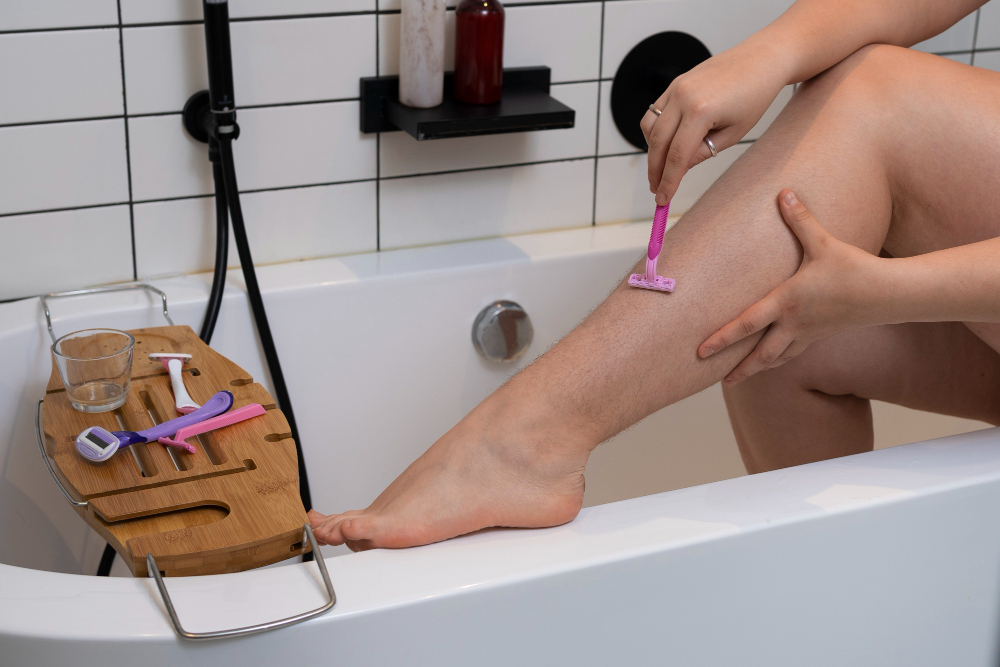
A callus forms as your skin’s natural defense against pressure and friction. It is tempting to shave it down yourself, but a razor blade is not designed for this kind of precision work on living tissue.
The Hidden Dangers of At-Home Callus Shaving
Cutting too deep is easy to do, even with a careful hand. You may not feel pain right away, especially if you have reduced sensation in your feet, but the damage can already be done.
Here is what can go wrong:
- Accidental cuts: A slip of the blade can nick healthy skin, opening the door to infection.
- Delayed healing: Wounds on the feet, particularly for people with diabetes, often heal slowly and can become serious if left untreated.
- Uneven results: Without proper training, it is hard to know how much skin is safe to remove, which can leave the area more irritated than before.
These risks are why most podiatrists strongly discourage at-home blade use, no matter how careful you try to be.
What Painless Callus Shaving Really Looks Like
Painless callus shaving is a real, safe option, but it happens in a clinical setting with the right tools and expertise. A podiatrist uses sterile instruments designed specifically for callus reduction, along with a trained eye for how much tissue can be safely removed.
Professional Callus Treatment Options
During a visit, your podiatrist may also recommend supportive steps to prevent calluses from returning, such as:
- Custom orthotics: Shoe inserts that redistribute pressure away from problem areas.
- Footwear guidance: Advice on shoe styles that reduce friction and rubbing.
- Regular monitoring: Scheduled visits to catch new calluses early, before they become painful.
This kind of care takes the guesswork and the danger out of callus removal.
When to See a Podiatrist for Callus Care
You do not have to wait until a callus becomes painful to get it checked. If you notice thickening skin, discoloration, or any discomfort when walking, it is worth having a podiatrist take a look.
This is especially important if you or your loved one has diabetes, poor circulation, or nerve damage in the feet. In these cases, even a small skin injury can turn into a larger health concern without proper care. A nearby podiatry clinic in Brooklyn can offer the kind of attentive, ongoing foot care that keeps small issues from becoming big ones.
You Do Not Have to Handle This Alone
Foot care can feel like a small detail until it becomes a real problem. Choosing painless callus shaving with a trained professional protects your skin, your comfort, and your peace of mind.
If you have calluses that need attention or questions about safe foot care at home, our podiatry team is here to help. Reach out to us today by calling +1-718-367-2555 or visiting us at 1797 Pitkin Avenue, Brooklyn, NY 1121 to schedule a visit and get the relief you deserve.