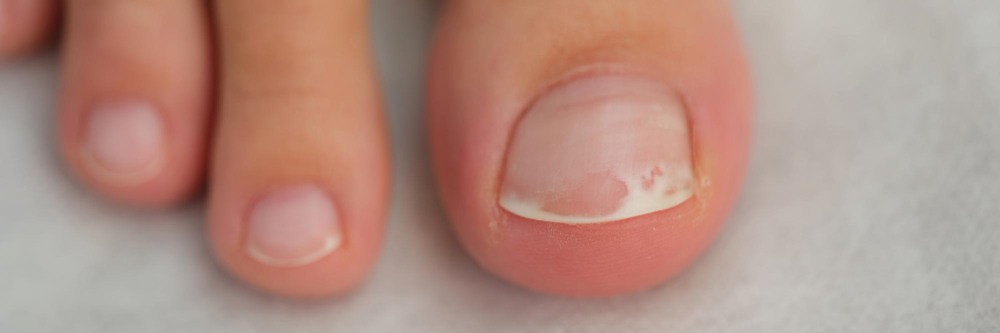
Onychogryphosis is a condition that causes toenails to thicken, curve, and resemble a ram’s horn, often from trauma, poor circulation, or years of neglect. Safe clinical management for thick nails involves professional trimming, debridement, and ongoing care from a podiatrist to prevent pain, infection, and further damage.
Watching a loved one wince every time they put on a shoe is hard to see. When a toenail has grown thick, discolored, and curled, it is more than a cosmetic concern. It can be painful, difficult to manage at home, and a sign that something deeper needs attention.
This condition is known as onychogryphosis, sometimes called ram’s horn nails because of the way the nail curves and thickens over time. It most often affects older adults, but anyone with a history of foot trauma, poor circulation, or fungal infection can develop it.
The good news is that safe clinical management for thick nails is available, and it does not require guesswork at home. A podiatrist can treat the nail properly and help your loved one walk comfortably again.
What Causes Onychogryphosis, or Ram’s Horn Nails?
Onychogryphosis develops when the nail matrix, the tissue that produces new nail growth, becomes damaged or irritated over time. Instead of growing flat and smooth, the nail thickens unevenly and curves like a horn.
Common Causes of Thickened Toenails
- Repeated trauma: Stubbing a toe repeatedly or wearing tight shoes can damage the nail bed.
- Poor circulation: Reduced blood flow, common in older adults, slows healthy nail growth.
- Fungal infection: Untreated fungus can thicken and discolor the nail over time.
- Neglected nail care: Without regular trimming, nails can grow unchecked and curl inward.
Why Safe Clinical Management for Thick Nails Matters
Trying to cut or file a severely thickened nail at home can do more harm than good. The nail is often too hard to trim safely, and cutting too close to the skin can cause bleeding, pain, or infection.
Risks of Leaving Onychogryphosis Untreated
Left unmanaged, ram’s horn nails can press into the surrounding skin, making walking painful. For people with diabetes or poor circulation, even a small cut near the nail can lead to a serious wound. This is why professional care matters more than it might seem at first glance.
How a Podiatrist Treats Onychogryphosis
A podiatrist has the tools and training to manage thickened nails safely, without the risks that come from at-home treatment.
Typical care includes:
- Debridement: Carefully thinning and trimming the nail to relieve pressure and discomfort.
- Infection screening: Checking for fungal growth or skin breakdown around the nail.
- Footwear guidance: Recommending shoes that reduce friction and prevent future trauma.
- Ongoing maintenance: Scheduling regular visits to keep the nail manageable over time.
What to Expect at a Podiatry Clinic in Brooklyn
If your loved one has not seen a foot specialist before, a visit to a podiatry clinic in Brooklyn is straightforward and low-stress. The podiatrist will examine the nail, ask about any pain or history of foot injury, and perform debridement in the same visit when appropriate. Many patients notice relief right away.
Taking the Next Step for Healthier Feet
Thick, curled nails do not have to be something your family manages alone or worries over at home. With the right care from a podiatrist, onychogryphosis can be treated safely and comfortably.
Reach out to our podiatry team today by calling +1-718-367-2555 or visiting us at 1797 Pitkin Avenue, Brooklyn, NY 1121 to schedule a foot care evaluation and give your loved one the relief they deserve.