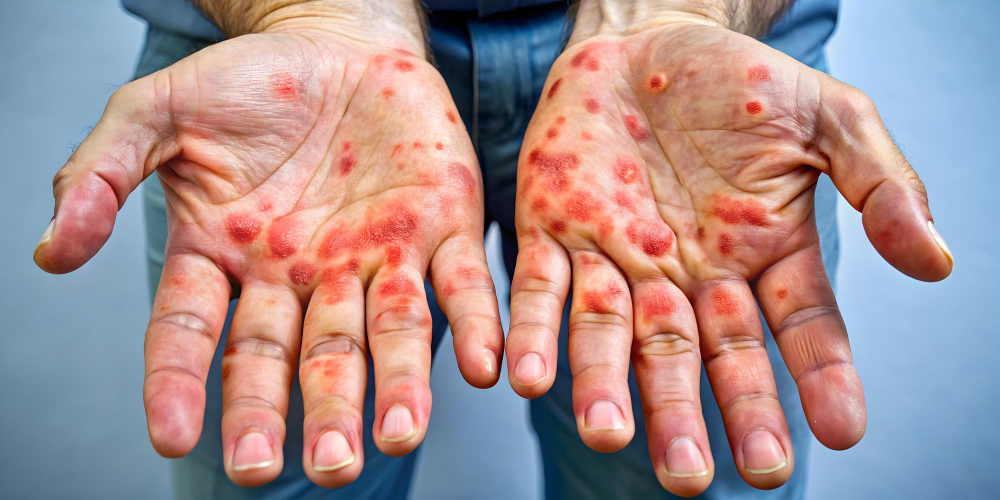
You have tried every cream on the pharmacy shelf. Still, that itchy, scaly patch on your skin refuses to fade. It clears for a few days, then returns worse than before.
If this sounds familiar, you may be dealing with one of the most common fungal infections. These infections affect millions of people each year, and they rarely go away on their own. The good news is that with the right diagnosis and care, you can finally break the cycle.
This guide walks you through the most common types of skin-related fungal infections, the warning signs worth watching, and when it makes sense to bring in a professional. You do not have to keep guessing. Help is closer than you think.
Common Types of Fungal Infections That Cause Skin Rashes
Skin rashes caused by fungi look and feel different depending on where they appear. Knowing the type helps you and your care team choose the right treatment.
Here are the ones you are most likely to encounter:
- Ringworm (tinea corporis): Despite the name, no worm is involved. This fungal infection creates an itchy, ring-shaped rash that looks red on lighter skin and gray or brown on darker skin.
- Athlete’s foot (tinea pedis): Common between the toes, it causes peeling, burning, and cracked skin.
- Jock itch (tinea cruris): This affects the groin area, leading to redness and persistent itching.
- Nail infections (onychomycosis): Nails may thicken, change color, and break easily.
For a deeper look at how these rashes start and spread, our guide to recognizing skin rashes breaks down the early signs to watch for at home.
Why These Infections Keep Coming Back
Fungi thrive in warm, moist places. Sweaty shoes, shared towels, and locker room floors all give them room to grow.
Many people also make one common mistake: using steroid creams on an undiagnosed rash. Steroid creams can actually make a fungal infection worse and harder to treat.
When to See a Specialist in Infectious Diseases
Most mild fungal infections respond to over-the-counter antifungal treatments. But some do not. When a rash spreads, resists treatment, or keeps returning, it is time to consider expert care.
A specialist in infectious diseases can identify the exact fungus behind your symptoms. This matters because some strains are now resistant to standard medications, making proper testing essential.
You should reach out to a specialist in infectious diseases if you notice any of the following:
- A rash that lasts longer than two weeks despite treatment
- Infections that keep coming back in the same spot
- Spreading redness, swelling, or signs of a deeper infection
- A weakened immune system from illness, medication, or chronic conditions
Care That Comes to You
Traveling to appointments while managing an uncomfortable rash is draining, especially for elderly loved ones or those recovering at home. Our infectious disease care team brings expert diagnosis and treatment directly to your door.
If you are searching for an infectious disease doctor in Brooklyn, in-home visits make it easier to get accurate testing without added stress. Our infectious disease doctors in Brooklyn can collect a small skin sample, confirm the cause, and build a treatment plan that fits your life.
Take the First Step Toward Clear, Comfortable Skin
A stubborn rash does not have to control your days. With accurate testing and a personalized treatment plan, lasting relief is within reach.
You do not have to manage this alone. Our compassionate Infectious Disease care team is ready to visit you at home, answer your questions, and guide you through every step. Reach out today by calling + 1-718-367-2555 or visiting us at 1797 Pitkin Avenue, Brooklyn, NY 11212 to schedule a visit and get the expert support you and your family deserve.