Transcatheter aortic valve replacement (TAVR) is a minimally invasive procedure that repairs a narrowed heart valve without open-heart surgery. It is often recommended as one of the safest minimally invasive options for fragile patients, including older adults or those with other health conditions that make traditional surgery risky. Recovery is typically faster, with many patients going home within days.
Watching a parent or spouse struggle with heart valve disease is frightening, especially when their age or health makes open-heart surgery feel out of reach. You may have already been told that surgery is too risky. That news can feel like a dead end. It is not.
Transcatheter aortic valve replacement, commonly known as TAVR, gives families a path forward. This procedure repairs a damaged aortic valve through a small incision, often in the leg, rather than opening the chest. For many fragile patients, it is the safer, gentler choice.
What Is Transcatheter Aortic Valve Replacement?
Transcatheter aortic valve replacement treats aortic valve stenosis, a condition where the heart’s main valve narrows and restricts blood flow. Left untreated, it can lead to fatigue, shortness of breath, chest pain, and eventually heart failure.
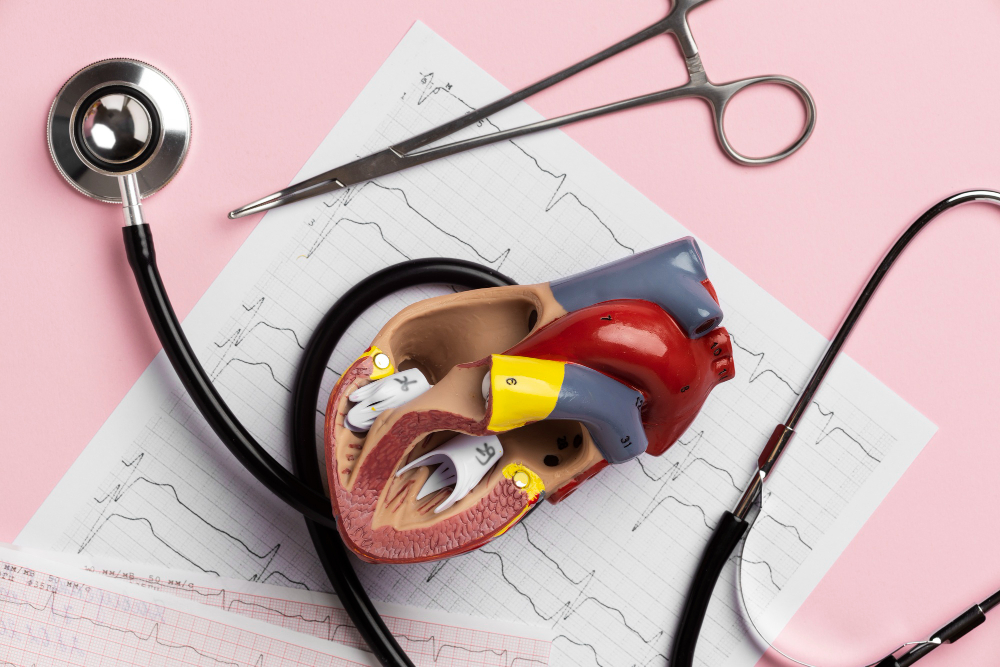
Instead of stopping the heart and opening the chest, a cardiologist guides a thin, flexible catheter through a blood vessel to the heart. A new valve is placed inside the damaged one, restoring normal blood flow almost immediately.
This approach matters most for patients who cannot safely undergo traditional open-heart surgery because of age, frailty, or other medical conditions.
Why TAVR Is One of the Best Minimally Invasive Options for Fragile Patients
Open-heart surgery asks a great deal of the body. For an older adult or someone managing multiple health conditions, that physical toll can outweigh the benefit. TAVR was developed specifically to close that gap.
Here is what makes it different:
- Smaller incision, less trauma. The procedure avoids opening the chest, reducing strain on the heart and lungs.
- Shorter hospital stays. Many patients go home within one to three days, compared to a week or more after open surgery.
- Faster recovery. Patients often return to normal activities within a few weeks instead of months.
- Lower risk for high-risk patients. TAVR is frequently recommended specifically because it carries less risk for those who are frail or elderly.
According to the American College of Cardiology, TAVR outcomes have continued to improve as techniques and valve technology advance, making it a standard option across a wider range of patients, not just the highest-risk cases.
Is TAVR Right for Your Loved One?
Every patient’s situation is different, and that decision should never be made alone. A cardiologist will evaluate your loved one’s heart function, overall health, and personal goals before recommending a treatment path.
Questions worth asking your care team include:
- What are the risks compared to traditional valve surgery?
- How long is the expected recovery time?
- What does follow-up care look like?
- Will insurance cover the procedure?
You do not have to carry this decision by yourself. A trusted cardiology clinic in Brooklyn can walk you and your family through every option, answer your questions in plain language, and help you feel confident about the path forward.
What Recovery Looks Like After TAVR
Recovery after transcatheter aortic valve replacement is typically much easier than after open-heart surgery. Most patients are encouraged to walk the same day or the day after the procedure. Full recovery, including a return to light activity, often takes two to four weeks.
Your loved one’s cardiology team will schedule follow-up visits to monitor valve function and overall heart health. Staying in close contact with a cardiologist during this period helps catch any concerns early and keeps recovery on track.
Finding the Right Care Close to Home
Choosing a heart procedure for someone you love is never easy. But knowing that minimally invasive options for fragile patients exist, and that they come with strong outcomes and shorter recovery times, can bring real relief.
If your family is weighing treatment options for aortic valve disease, reach out to our Cardiology team today by calling +1-718-367-2555 or visiting us at 1797 Pitkin Avenue, Brooklyn, NY 1121 to schedule a consultation. Our team is here to walk you through every step, answer your questions with patience, and help your loved one get back to living fully.