Diabetic foot monofilament testing is a simple, painless exam a podiatrist uses to check whether your loved one can still feel light touch on their feet. When sensation is reduced or absent, it signals loss of protective sensation, meaning small injuries like blisters or cuts may go unnoticed until they become serious. Regular testing helps catch nerve damage early, before complications set in.
Watching a loved one manage diabetes brings its own quiet worries. You may not see every change happening in their body, especially in their feet. Diabetic foot monofilament testing gives families a clear window into nerve health, using nothing more than a thin, flexible filament pressed gently against the skin.
This test checks for something called loss of protective sensation, a condition where nerve damage prevents the feet from registering pain, heat, or pressure the way they should. Left unnoticed, this can turn a small blister into a serious wound. This guide walks you through what the test involves, what the results mean, and how to protect your loved one going forward.
What Does Diabetic Foot Monofilament Testing Involve?
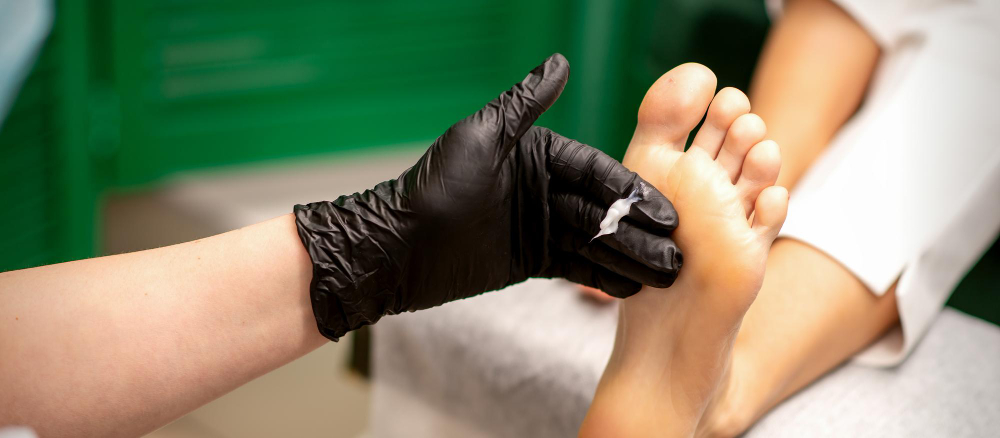
During diabetic foot monofilament testing, a podiatrist touches a thin nylon filament to several points on the foot, usually the toes, ball of the foot, and heel. Your loved one is asked to say when they feel the touch, often with their eyes closed so they cannot rely on sight.
The filament bends at a specific amount of pressure. If your loved one cannot feel it at that pressure, it suggests the nerves in that area are not sensing touch the way they normally would.
This exam takes only a few minutes and causes no discomfort. It is one of the most reliable ways a podiatrist can screen for nerve damage linked to diabetes.
What Loss of Protective Sensation Means for Daily Life
Loss of protective sensation means the feet can no longer act as an early warning system. Normally, pain tells us to stop walking on a pebble in our shoe or to treat a blister right away. When that signal is missing, injuries can go unnoticed for days.
Why This Matters So Much for Diabetic Feet
Diabetes can also slow healing and reduce blood flow to the feet. Combined with loss of protective sensation, even a small cut can develop into an infection or ulcer without your loved one realizing anything is wrong.
Signs a Family Caregiver Can Watch For
You do not need medical training to help protect your loved one. Keep an eye out for:
- Unexplained redness or swelling: This can signal an injury your loved one has not felt.
- Changes in walking pattern: Favoring one foot may point to discomfort they cannot fully sense.
- Skin breaks or drainage: Even minor wounds deserve prompt attention.
- Foot odor: This can indicate infection developing beneath the surface.
Noticing these changes early and reaching out to a podiatrist can prevent a minor issue from becoming a major one.
How Often Should Diabetic Feet Be Checked?
Most podiatrists recommend diabetic foot monofilament testing at least once a year, though your loved one’s care team may suggest more frequent checks if nerve damage has already been identified. Daily visual inspections at home, paired with professional exams, offer the strongest protection.
A home healthcare provider can also perform regular foot checks between podiatry visits, giving your family an extra layer of reassurance. This kind of consistent monitoring often makes the difference between catching a problem early and facing a hospital stay later.
You Are Not Alone in This
Caring for a loved one with diabetes comes with real worry, especially when it comes to something as easy to overlook as their feet. You do not have to manage this alone. A podiatrist can guide your family through regular testing and daily care habits that keep small problems from becoming serious ones.
Reach out to our podiatry team today by calling +1-718-367-2555 or visiting us at 1797 Pitkin Avenue, Brooklyn, NY 1121 to schedule diabetic foot monofilament testing. Our team is here to answer your questions, explain every step in plain language, and help your loved one stay safe and steady on their feet.