Vascular bypass graft care centers on daily pulse checks to ensure artery patency, meaning the graft stays open and blood flows freely. Checking the pulse below the graft site each day helps you catch early warning signs of blockage before they become emergencies. If you ever lose the pulse or notice sudden changes, contact a vascular health specialist right away.
Bringing a loved one home after bypass surgery can feel overwhelming. You want to do everything right, but the instructions can feel like a lot to remember. One of the simplest, most important habits you can build into your daily routine is a quick pulse check. It takes less than a minute, and it can make a real difference in protecting your loved one’s recovery.
This guide walks you through what vascular bypass graft care involves, how to perform a daily pulse check to ensure artery patency, and when it is time to call for help.
What Is Vascular Bypass Graft Care?
A vascular bypass graft reroutes blood around a blocked or narrowed artery, restoring healthy circulation to the limb or organ that needs it. Vascular bypass graft care is the ongoing attention required after surgery to keep that graft functioning properly.
Good care at home includes watching the incision site, managing swelling, following activity guidelines from the surgical team, and performing daily pulse checks. Each of these steps plays a role in protecting the graft and supporting a smooth recovery. Daily pulse checks are especially important because they give you a simple, repeatable way to confirm that blood is still moving the way it should.
Daily Pulse Checks to Ensure Artery Patency
Artery patency simply means the artery, or in this case the graft, remains open and unobstructed. Daily pulse checks to ensure artery patency give you an early window into how well the graft is working, often before any visible symptoms appear.
How to Perform a Daily Pulse Check
Checking a pulse below the graft site does not require special training. Here is a simple approach you can use every day:
- Pick a consistent time: Check the pulse at the same time each day, such as right after waking up, so you can track changes accurately.
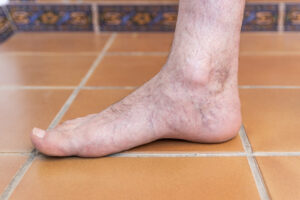
- Locate the pulse point: Your care team will show you exactly where to check, often at the wrist, ankle, or top of the foot, depending on where the graft is located.
- Use light pressure: Press gently with two fingers. Pressing too hard can make it harder to feel the pulse.
- Count and compare: Note the strength and rhythm of the pulse, not just whether it is present. Write it down so you can compare it day to day.
A steady, consistent pulse is a good sign. Any noticeable change deserves attention.
What to Watch For
Daily pulse checks are most useful when you know what counts as a red flag. Watch for the following:
- A weak or faint pulse: This can signal reduced blood flow through the graft.
- No detectable pulse: This is an urgent sign that requires immediate medical attention.
- Changes in skin color or temperature: Pale, bluish, or unusually cool skin near the graft site can point to circulation problems.
- New pain, numbness, or swelling: These symptoms, especially when paired with pulse changes, should never be ignored.
Keeping a simple daily log of your findings makes it easier to spot patterns and gives your vascular health specialist useful information at your next visit.
When to Contact a Vascular Health Specialist
You do not need to wait for a scheduled appointment if something feels wrong. Contact a vascular health specialist right away if you notice a sudden loss of pulse, cold or discolored skin, new or worsening pain, or any signs of infection at the incision site, such as redness, warmth, or drainage.
Trust your instincts. You know your loved one’s normal patterns better than anyone, and a quick phone call to a vascular health specialist is always worth it if something seems off.
You Do Not Have to Manage This Alone
Recovering from vascular bypass surgery takes patience, consistency, and support. Daily pulse checks are a small habit with a big impact, giving you a reliable way to watch over your loved one’s healing every single day.
If you have questions about vascular bypass graft care or need guidance on what to watch for, our Vascular team is here to help. Reach out to us today by calling +1-718-367-2555 or visiting us at 1797 Pitkin Avenue, Brooklyn, NY 1121 to schedule a consultation, and let us help you feel confident and supported every step of the way.