A left ventricular assist device (LVAD) is a mechanical blood pump implanted to help a weakened heart circulate blood throughout the body. Daily life with a mechanical blood pump involves adjusting to equipment care, activity changes, and regular visits with a cardiologist. Most patients return to many normal routines within weeks of recovery.
Learning that a loved one needs a left ventricular assist device can feel overwhelming. You may be picturing hospital rooms, tangled wires, and a life that no longer feels normal. That fear is understandable, but it does not reflect the full picture.
A left ventricular assist device is a mechanical pump that helps a weakened heart move blood through the body. It is often used for patients with advanced heart failure, either as a bridge to transplant or as long-term support. With the right guidance from a cardiologist, daily life with a mechanical blood pump becomes manageable, routine, and even freeing compared to the limitations heart failure once caused.
This guide walks you through what everyday life looks like with an LVAD, so you and your family can feel prepared rather than afraid.
What Is a Left Ventricular Assist Device?
A left ventricular assist device supports the heart’s main pumping chamber when it can no longer do the job on its own. A small pump is surgically placed inside the chest, connected to a controller and battery pack worn outside the body.
This setup allows blood to circulate more effectively, easing symptoms like fatigue, shortness of breath, and swelling. For many patients, it means the difference between constant hospital visits and getting back to daily life.
What Does Daily Life with a Mechanical Blood Pump Look Like?
Adjusting to a mechanical blood pump takes time, but most patients settle into a steady rhythm within a few weeks. Here is what that rhythm typically includes.
Equipment Care and Safety
- Battery management. Patients carry spare, charged batteries at all times and swap them before one runs low.
- Driveline care. The site where the device’s cable exits the body needs daily cleaning to prevent infection.
- Water precautions. Showers require a special cover, and swimming is generally not recommended.
Physical Activity
Walking, light exercise, and most household activities are encouraged once a patient’s care team approves. Your loved one’s cardiologist will outline specific activity limits based on recovery progress and overall heart function.
Monitoring and Checkups
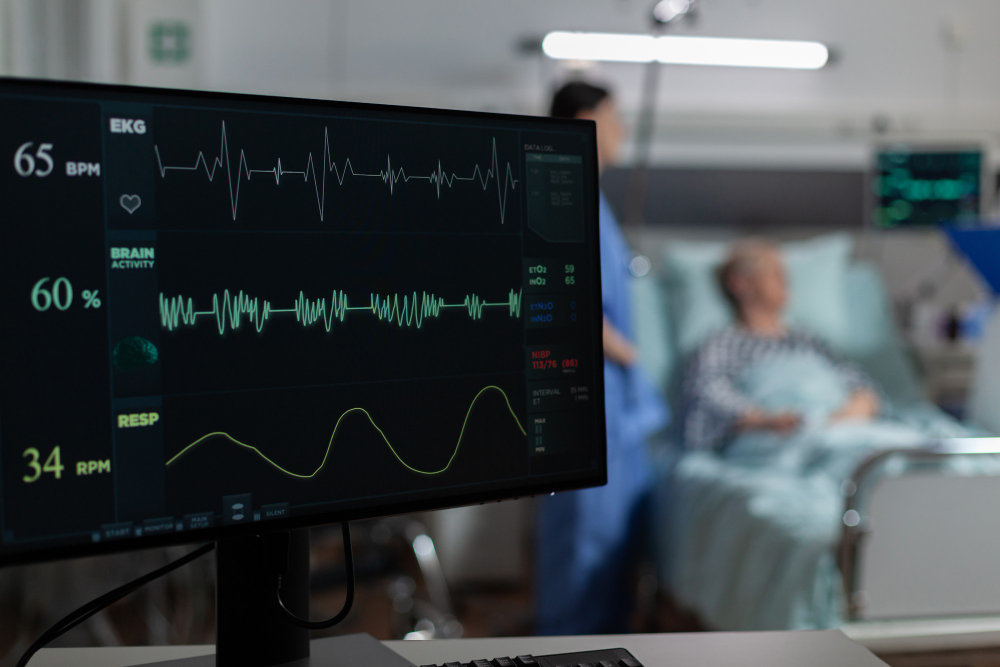
Routine visits with a cardiologist help track how well the device is working and catch any concerns early. Many patients also use home monitoring tools that send updates directly to their care team, reducing the need for frequent trips to the clinic.
Emotional Adjustment
Living with visible medical equipment can feel isolating at first. Support groups, counseling, and open conversations with family often help patients regain confidence and a sense of normalcy.
How Can a Cardiologist Help with LVAD Management?
A cardiologist plays a central role in every stage of life with a mechanical blood pump, from the initial evaluation through long-term follow-up care. Your care team will adjust medications, monitor device function, and help troubleshoot any alarms or complications that arise.
If you are unsure where to start, a trusted cardiology clinic in Brooklyn can guide your family through device selection, surgery preparation, and the recovery process with clear, compassionate communication every step of the way.
Finding Support Close to Home
You don’t have to navigate this journey alone. A left ventricular assist device changes daily routines, but it doesn’t have to take away your independence or peace of mind.
If your family is exploring treatment options for advanced heart failure, reach out to our Cardiology team today by calling +1-718-367-2555 or visiting us at 1797 Pitkin Avenue, Brooklyn, NY 1121 to schedule a consultation. Our team is ready to answer your questions, walk you through what to expect, and support your loved one at every stage of care.