Endovascular aneurysm repair (EVAR) is a minimally invasive stenting procedure for abdominal aortic aneurysms. A vascular specialist inserts a stent graft through small incisions in the groin, avoiding open surgery. Most patients recover faster, face fewer complications, and return home within a day or two.
A diagnosis of abdominal aortic aneurysm can feel frightening, especially when you hear the words “open surgery.” You do not have to face that fear alone, and in many cases, you may not need major surgery at all. Endovascular aneurysm repair, often called EVAR, is a minimally invasive stenting procedure for the abdominal aorta that allows a vascular specialist to reinforce the weakened artery wall from the inside. This approach has changed outcomes for thousands of patients who once faced long hospital stays and difficult recoveries. Below, we walk through how EVAR works, who it helps, and what to expect if your doctor recommends it.
What Is Endovascular Aneurysm Repair?
An abdominal aortic aneurysm happens when a section of the body’s largest artery weakens and bulges outward. Left untreated, this bulge can grow and eventually rupture, which is a life-threatening emergency. Endovascular aneurysm repair treats this problem without a single large incision.
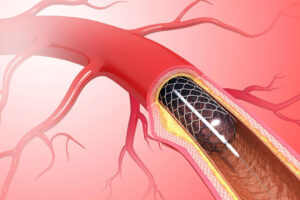
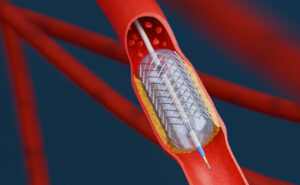
During the procedure, a vascular specialist threads a thin catheter through small punctures in the groin and guides a fabric-covered stent graft to the site of the aneurysm. Once positioned, the graft expands and creates a new, reinforced pathway for blood flow, relieving pressure on the weakened artery wall.
How Does Minimally Invasive Stenting for Abdominal Aorta Work?
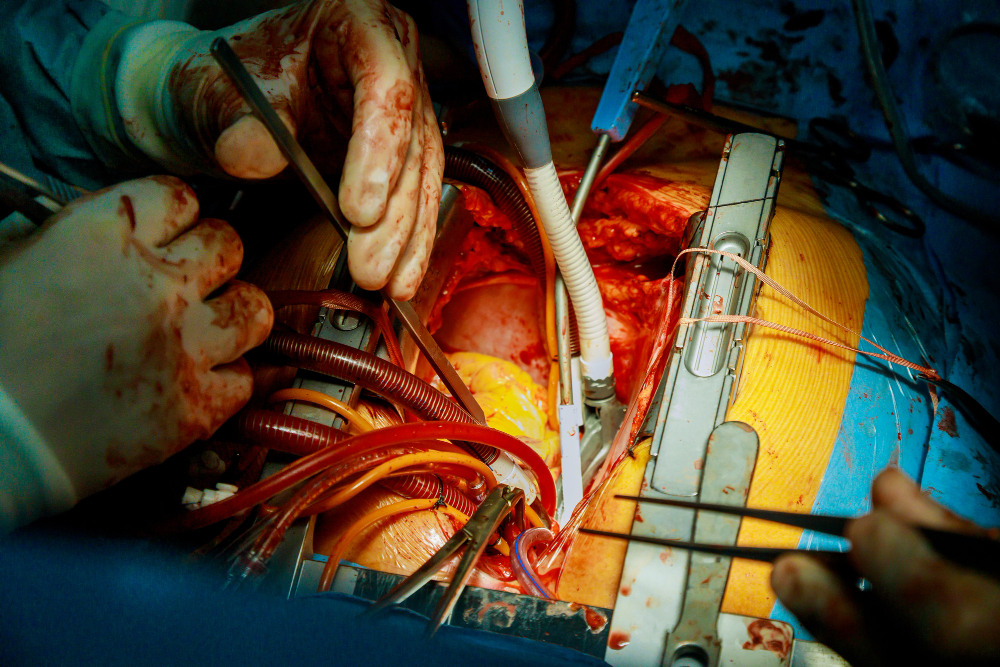
Unlike traditional open repair, this minimally invasive stenting technique for the abdominal aorta does not require surgeons to open the abdomen. Instead, imaging technology guides every step.
- Smaller incisions: Two small punctures replace a long surgical cut, reducing trauma to the body.
- Local or regional anesthesia: Many patients avoid general anesthesia altogether, which lowers risk for older adults or those with other health conditions.
- Shorter hospital stay: Most patients go home within one to two days, compared to a week or more after open surgery.
- Faster return to daily life: Recovery at home typically takes a few weeks rather than months.
Who Is a Candidate for EVAR?
Not every aneurysm is treated the same way, and that is exactly why a consultation with a vascular specialist matters so much. The size, shape, and location of the aneurysm all influence whether endovascular repair is the right fit. Your doctor will review imaging studies, your overall health, and your anatomy before recommending a treatment plan tailored to you.
What Are the Risks and Recovery Expectations After EVAR?
Every procedure carries some risk, and EVAR is no exception. Possible complications include graft movement, leakage around the graft, or the need for a follow-up procedure. The encouraging news is that these risks are generally lower than those associated with open surgery, and routine imaging after the procedure helps catch issues early, long before they become serious.
You Deserve Care That Meets You Where You Are
Facing an aneurysm diagnosis is overwhelming, but modern treatment has come a long way. Endovascular aneurysm repair offers a path that is gentler on the body while still protecting your health. If you or someone you love has been diagnosed with an abdominal aortic aneurysm, reach out to our Vascular team today by calling +1-718-367-2555 or visiting us at 1797 Pitkin Avenue, Brooklyn, NY 1121 to schedule a consultation. Our team is here to guide you through every step, from diagnosis to recovery, with care that puts you first.