Pharmacomechanical catheter-directed thrombolysis is a minimally invasive procedure that combines clot-dissolving medication with mechanical clot removal. It offers rapid clot busting for severe DVT, restoring blood flow and reducing long-term leg damage. A vascular specialist performs the treatment through a small catheter, often avoiding the extended healing time of open surgery.
A swollen, painful leg can feel frightening, especially when a doctor mentions the word “clot.” You are not alone in that fear, and in many cases, you do not have to wait weeks for relief. Pharmacomechanical catheter-directed thrombolysis is a treatment designed to deliver rapid clot-busting for severe DVT, clearing dangerous blockages faster than medication alone. This approach has given patients with extensive deep vein thrombosis a path back to normal movement, often within days rather than months. Below, we explain how the procedure works, who benefits most, and what recovery looks like.
What Is Pharmacomechanical Catheter-Directed Thrombolysis?
Deep vein thrombosis occurs when a blood clot forms in a deep vein, most often in the leg. Left untreated, severe clots can cause lasting pain, swelling, and vein damage. Pharmacomechanical catheter-directed thrombolysis addresses this problem by pairing clot-dissolving medication with a mechanical device that breaks apart and removes the clot from within the vein.
How Rapid Clot Busting Works for Severe DVT
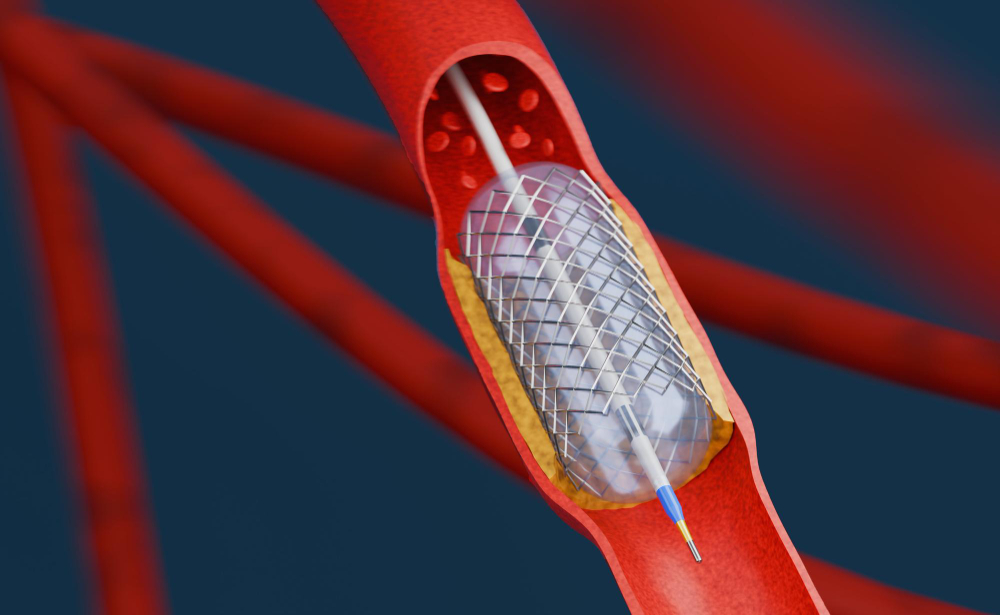
During the procedure, a vascular specialist guides a thin catheter directly to the clot using imaging for precision. Once in place, the device delivers medication while simultaneously fragmenting the clot, which speeds up dissolution compared to medication delivered through a vein in the arm. The result is rapid clot busting for severe DVT with less medication exposure to the rest of the body.
Who Needs Rapid Clot Busting for Severe DVT?
Not every DVT diagnosis calls for this procedure. Choose pharmacomechanical catheter-directed thrombolysis if your clot is extensive, recently formed, and causing significant swelling or pain that threatens long-term vein function. Choose standard anticoagulation if your clot is smaller and your risk of bleeding complications is higher.
A consultation with a vascular specialist helps determine the right path. Common candidates include patients with:
- Extensive clot burden: Clots affecting the thigh or pelvis, where the risk of chronic swelling is highest.
- Recent clot formation: Clots typically respond best within the first two weeks of symptom onset.
- Low bleeding risk: Patients without recent surgery, stroke, or active bleeding disorders.
- Significant symptoms: Severe pain, swelling, or skin discoloration that limits daily activity.
What to Expect During and After Treatment
During the Procedure
The procedure typically takes place under light sedation. Your vascular specialist makes a small incision, usually behind the knee, and threads the catheter to the clot under imaging guidance. Most patients go home within one to two days.
Recovery and Follow-up
Recovery is often faster than with clot-dissolving medication alone.
Treatment Approach | Typical Recovery Time | Clot Resolution Speed |
Anticoagulation alone | Several weeks to months | Gradual |
Pharmacomechanical catheter-directed thrombolysis | Days to a few weeks | Rapid |
Follow-up imaging confirms the vein remains open, and your care team will discuss ongoing anticoagulation to prevent new clots from forming.
You Do Not Have to Manage This Alone
A severe DVT diagnosis can feel overwhelming, but effective treatment is within reach. Pharmacomechanical catheter-directed thrombolysis offers a faster, gentler path toward healing than many patients expect. If you or a loved one is facing severe DVT, reach out to our Vascular team today by calling +1-718-367-2555 or visiting us at 1797 Pitkin Avenue, Brooklyn, NY 1121 to schedule a consultation. Our team will guide you through every step, from diagnosis to recovery, with care that puts you first.