AngioJet thrombectomy is a minimally invasive procedure that removes blood clots from leg veins using a high-pressure saline jet and suction. It works by vacuuming out dangerous leg clots through a small sheath, restoring blood flow without open surgery. A vascular specialist typically completes the procedure in under an hour, often allowing patients to go home the same day or the next day.
A leg that suddenly swells, aches, or turns red can be frightening. You may wonder if it is serious, and if a blood clot is involved, it often is. The good news is that treatment no longer always means weeks of waiting for medication to work. AngioJet thrombectomy offers a faster way forward by vacuuming out dangerous leg clots through a small sheath, often in a single outpatient visit. Below, we walk through how it works, who it helps, and what recovery looks like.
What Is AngioJet Thrombectomy?
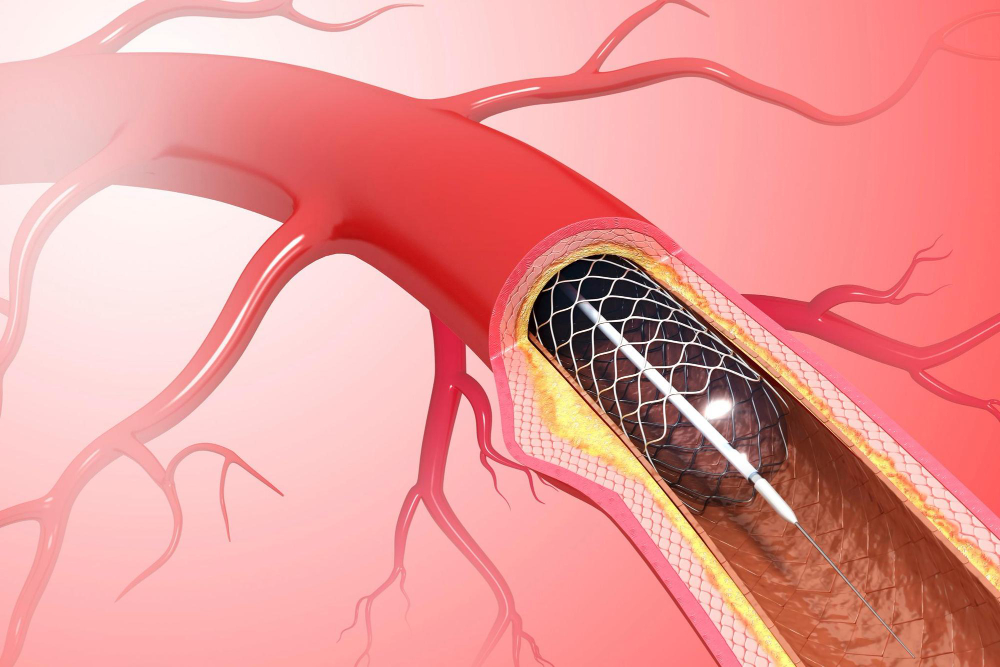
AngioJet thrombectomy is a catheter-based procedure that physically removes a blood clot from a vein rather than waiting for it to dissolve. A specialized device sprays high-pressure saline directly into the clot, breaking it apart, while simultaneously suctioning the fragments out of the body. This combination makes AngioJet thrombectomy one of the fastest ways to clear a dangerous blockage in the leg.
How Vacuuming Out Dangerous Leg Clots Through a Small Sheath Works
The process sounds complex, but each step is designed to limit discomfort and recovery time.
Sub-Section: Procedure Details
A vascular specialist begins by inserting a small sheath, usually behind the knee or in the groin, using imaging to guide placement. Through this sheath, a thin catheter travels to the clot. Once in position, the device delivers saline and suction at the same time, effectively vacuuming out dangerous leg clots through a small sheath without the need for a large incision. Most procedures take 30 to 60 minutes, and patients usually go home within a day or two.
Who Is a Candidate?
Not everyone with a leg clot needs this approach. Choose AngioJet thrombectomy if your clot is large, recently formed, and causing significant swelling or pain. Choose standard anticoagulation if your clot is small and your bleeding risk is elevated.
Good candidates often include people with:
- Extensive clot burden: Blockages in the thigh or pelvis that threaten long-term vein health.
- Recent clot formation: Clots within the first two weeks of symptoms tend to respond best.
- Severe symptoms: Significant pain, swelling, or skin changes limiting daily movement.
- Failed medication alone: Clots that have not improved with blood thinners.
A consultation with a vascular specialist is the best way to know if this treatment fits your situation.
Risks and Recovery
Like any procedure, AngioJet thrombectomy carries some risk, including bleeding, vein injury, and rare kidney strain from the saline jet. A skilled vascular specialist minimizes these risks through careful imaging and patient selection. Most patients notice reduced swelling within days and return to light activity within a week. Follow-up imaging confirms the vein stays open, and your care team will likely recommend blood thinners for a period afterward to prevent new clots.
You Deserve Relief, Not Uncertainty
A leg clot diagnosis can feel overwhelming, but you do not have to navigate it alone. AngioJet thrombectomy offers a quicker path to relief than many patients expect, often clearing dangerous blockages in a single visit. If you or a loved one is facing a severe leg clot, reach out to our Vascular team today by calling +1-718-367-2555 or visiting us at 1797 Pitkin Avenue, Brooklyn, NY 1121 to schedule a consultation. Our team is here to guide you through diagnosis, treatment, and recovery with care centered on you.