A leg that aches with every step can change your whole day. Walking to the mailbox or climbing a few stairs starts to feel like a challenge, and you may wonder why something so simple has become so hard. For many people, the answer is plaque buildup narrowing the arteries in the leg. Arterial atherectomy offers real relief by shaving away hardened plaque to restore lower-limb flow, often without the need for open surgery. Below, we explain how this treatment works, who benefits most, and what to expect during recovery.
What Is Arterial Atherectomy?
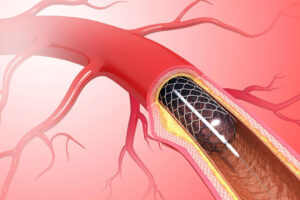
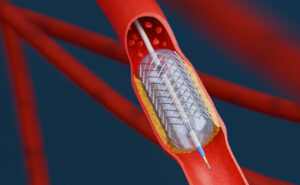
Arterial atherectomy is a minimally invasive procedure that physically removes plaque buildup from inside a narrowed or blocked leg artery. Instead of pushing plaque aside with a balloon, a specialized device trims, shaves, or grinds the hardened material away and removes it from the vessel. This approach to shaving away hardened plaque to restore lower-limb flow can open a pathway for healthier circulation without leaving behind a stent in many cases.
A vascular specialist guides the device through a small catheter, often inserted near the groin, using live imaging to see exactly where the plaque sits. The precision involved means healthy artery walls stay largely untouched while the blockage itself is cleared.
Why Shaving Away Hardened Plaque to Restore Lower-Limb Flow Matters
Peripheral artery disease develops slowly, and many people live with it for years before symptoms become hard to ignore. Left untreated, reduced blood flow can lead to persistent leg pain, slow-healing wounds, and in severe cases, tissue loss. Restoring healthy circulation early can prevent these outcomes and protect your mobility and independence.
How the Procedure Works
The process is designed to be as gentle as possible while still delivering lasting results.
- Access and imaging. A small sheath is placed, typically near the groin, and imaging confirms the exact location of the blockage.
- Plaque removal. The atherectomy device is guided to the site, where it shaves or grinds away the hardened plaque layer by layer.
- Flow restoration. As plaque is cleared, blood flow to the lower leg and foot improves, often immediately visible on imaging.
- Closure and recovery. The sheath is removed, and most patients rest briefly before heading home the same day.
Most procedures take about 60 to 90 minutes, and general anesthesia usually is not required.
Who Is a Candidate?
Not every narrowed artery needs this treatment. Choose arterial atherectomy if plaque is heavily calcified or located in a spot where stents are less effective. Choose balloon angioplasty alone if the blockage is softer and more easily compressed.
Good candidates often include people with:
- Claudication symptoms: Cramping or pain in the calf, thigh, or hip that appears with walking and eases with rest.
- Heavily calcified plaque: Hardened blockages that respond poorly to balloons alone.
- Non-healing wounds: Sores on the foot or lower leg that are not improving due to poor circulation.
- Limited stent options: Arteries near joints or in areas where a permanent stent is not ideal.
A conversation with a vascular specialist is the clearest way to know if this treatment fits your situation.
Risks and Recovery
Like any procedure, arterial atherectomy carries some risk, including bleeding at the access site, artery injury, or small plaque fragments traveling downstream. A skilled vascular specialist reduces these risks through careful technique and real-time imaging. Most patients notice improved walking distance and less leg pain within days. Your care team will likely recommend a walking program and medication to help keep the artery open long term.
You Do Not Have to Live With Leg Pain
Chronic leg pain can feel like it is slowly taking away your freedom, one missed walk or skipped errand at a time. Arterial atherectomy offers a focused way to restore circulation and reclaim those everyday moments. If you or a loved one is struggling with poor leg circulation, reach out to our Vascular team today by calling +1-718-367-2555 or visiting us at 1797 Pitkin Avenue, Brooklyn, NY 1121 to schedule a consultation. Our team is here to walk you through diagnosis, treatment, and recovery every step of the way.