Non-obstructive hypertrophic cardiomyopathy thickens the heart muscle without blocking blood flow, yet it can still leave you breathless during everyday activity. Managing exertional breathlessness without outflow gradients focuses on medication, lifestyle adjustments, and close monitoring rather than the surgical options used for obstructive cases. Early cardiology care helps protect your loved one’s quality of life.
Watching someone you love struggle to catch their breath after simple tasks like climbing stairs or carrying groceries is frightening. When that breathlessness is tied to non-obstructive hypertrophic cardiomyopathy, the uncertainty can feel even heavier, especially since this form of the condition does not show the same blockage doctors often look for.
You are not alone in trying to make sense of this diagnosis. This guide explains what non-obstructive hypertrophic cardiomyopathy is, why managing exertional breathlessness without outflow gradients requires a different approach, and when it is time to bring in a cardiologist for support.
What Is Non-Obstructive Hypertrophic Cardiomyopathy?
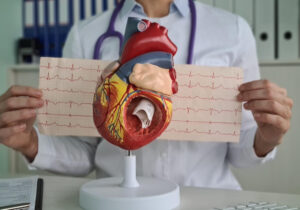
Non-obstructive hypertrophic cardiomyopathy is a genetic heart condition in which the heart muscle, particularly the left ventricle, thickens over time. Unlike the obstructive form, this thickening does not block blood flow out of the heart. According to the American College of Cardiology and American Heart Association 2024 guidelines, both forms can cause similar symptoms, including fatigue, chest discomfort, and shortness of breath during activity.
Why Breathlessness Still Happens Without a Blockage
Even without an outflow obstruction, a thickened heart muscle can stiffen, making it harder for the heart to relax and fill with blood between beats. This stiffness, known as diastolic dysfunction, is often the real driver behind exertional breathlessness in non-obstructive hypertrophic cardiomyopathy. Your loved one may notice symptoms worsening with exercise, stress, or even large meals.
Managing Exertional Breathlessness Without Outflow Gradients
Because there is no obstruction to relieve, managing exertional breathlessness without outflow gradients centers on supporting heart function and reducing strain. A cardiologist typically recommends a combination of approaches tailored to your loved one’s specific needs.
- Medication management: Beta-blockers or calcium channel blockers can help the heart relax between beats, easing breathlessness during activity.
- Activity pacing: Gentle, supervised exercise plans help build stamina without overexerting the heart.
- Weight and blood pressure control: Keeping these numbers steady reduces added strain on the heart muscle.
- Regular monitoring: Echocardiograms and stress tests track how the heart is functioning over time, so adjustments can be made early.
- Hydration and salt balance: Following personalized guidance here prevents fluid shifts that can worsen symptoms.
These strategies will not look the same for every patient. By identifying which factors affect your loved one most, a cardiology team can create a personalized care plan that eases daily symptoms and supports long-term heart health.
When to See a Cardiologist
You do not need to wait for a dramatic symptom to seek expert care. If your loved one experiences new or worsening breathlessness, fainting, irregular heartbeat, or chest pain during activity, it is time to schedule an evaluation.
A cardiologist can confirm whether symptoms stem from non-obstructive hypertrophic cardiomyopathy and rule out other causes. Families in the area have access to a trusted cardiology clinic in Brooklyn offering diagnostic imaging, ongoing monitoring, and compassionate, personalized guidance throughout treatment. Choosing a cardiology clinic in Brooklyn with experience in hypertrophic cardiomyopathy means your loved one benefits from a team that understands both the medical complexity and the emotional weight this diagnosis carries.
Taking the Next Step for Your Loved One’s Heart Health
Non-obstructive hypertrophic cardiomyopathy can feel overwhelming, but you do not have to navigate it alone. With the right cardiologist and a personalized care plan, you can manage exertional breathlessness without outflow gradients as part of daily life, not a constant worry.
Reach out to our Cardiology team today by calling +1-718-367-2555 or visiting us at 1797 Pitkin Avenue, Brooklyn, NY 1121 to schedule an evaluation and give your loved one the expert, compassionate care they deserve.