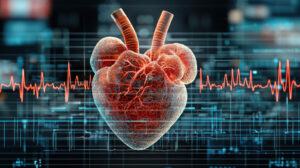
Short QT syndrome is a rare genetic heart condition that disrupts the heart’s electrical recovery between beats. These rare repolarization defects and sudden cardiac arrest risks often go unnoticed until a dangerous arrhythmia occurs. A cardiologist can detect the condition through an electrocardiogram and family history review, often before a crisis happens.
Learning that a loved one has an unusual heart rhythm can feel frightening, especially when the condition is rare and hard to find information about. Short QT syndrome is one of those conditions. It affects the heart’s electrical system in a way that most people have never heard of, yet it carries a real risk of sudden cardiac arrest.
Understanding how short QT syndrome develops, and why rare repolarization defects and sudden cardiac arrest risks are connected, can help you recognize warning signs early. This guide breaks down the condition in plain terms and explains when it is time to bring in a cardiologist.
What Is Short QT Syndrome?
Short QT syndrome is an inherited condition that shortens the time it takes for the heart’s lower chambers to reset between beats. This reset period, known as repolarization, normally follows a predictable rhythm. When it happens too quickly, the heart becomes vulnerable to chaotic electrical signals.
According to the National Institutes of Health, short QT syndrome is linked to genetic mutations that affect how heart cells manage electrical charge. Because the condition is inherited, it often runs in families, even when symptoms have never appeared before.
Why Rare Repolarization Defects Raise Sudden Cardiac Arrest Risks
Rare repolarization defects and sudden cardiac arrest risks are closely tied together. A heart that resets too fast can trigger abnormal rhythms such as ventricular fibrillation, where the lower chambers quiver instead of pumping blood effectively. This can lead to sudden cardiac arrest, sometimes with no prior warning.
Your loved one may notice symptoms such as:
- Fainting spells: Unexplained loss of consciousness, especially during physical activity.
- Heart palpitations: A fluttering or racing sensation in the chest.
- Family history concerns: A relative who experienced sudden cardiac death at a young age.
- No symptoms at all: Many people learn they have short QT syndrome only after a routine electrocardiogram.
How Is Short QT Syndrome Diagnosed?
A cardiologist typically identifies short QT syndrome through an electrocardiogram, which measures the heart’s electrical timing. Genetic testing may follow to confirm the diagnosis and screen family members who could carry the same mutation.
Because symptoms are often absent, diagnosis frequently happens during evaluation for an unrelated concern, or after a family member is diagnosed. This is why a thorough family history matters as much as the test results themselves.
Treatment Options for Short QT Syndrome
Treatment focuses on preventing dangerous arrhythmias before they happen. Common approaches include:
- Implantable cardioverter defibrillator (ICD): A device that detects and corrects abnormal rhythms, often recommended for higher-risk patients.
- Medications: Certain antiarrhythmic drugs can help lengthen the heart’s electrical cycle.
- Family screening: Testing close relatives to identify others who may carry the genetic mutation.
- Lifestyle guidance: Your cardiologist may recommend avoiding certain triggers based on your specific risk profile.
When to See a Cardiologist in Brooklyn
You do not need to wait for a frightening episode before seeking answers. If your family has a history of unexplained fainting or sudden cardiac death, a cardiologist can help determine whether short QT syndrome or another rhythm disorder is involved.
Families in the area have access to a cardiology clinic in Brooklyn offering advanced electrocardiogram testing and genetic counseling for inherited heart conditions. Choosing a cardiology clinic in Brooklyn with experience in rare rhythm disorders means your family benefits from a team that understands both the science and the worry behind a diagnosis like this one.
Protecting Your Family’s Heart Health
Short QT syndrome is rare, but it is manageable with the right care team behind you. Understanding rare repolarization defects and sudden cardiac arrest risks is the first step toward protecting the people you love.
Reach out to our Cardiology team today by calling +1-718-367-2555 or visiting us at 1797 Pitkin Avenue, Brooklyn, NY 1121 to schedule a screening and give your family the expert, compassionate care they deserve.