Bidirectional ventricular tachycardia is a distinct heart rhythm pattern most often linked to catecholaminergic polymorphic ventricular tachycardia, or CPVT. This genetic condition causes dangerous arrhythmias during exercise, strong emotion, or other adrenaline surges. A cardiologist can confirm the diagnosis with stress testing and genetic screening, often before a life-threatening event occurs.
Watching your loved one collapse during a soccer game or a moment of fear is frightening in a way that is hard to put into words. When doctors mention bidirectional ventricular tachycardia, the term itself can feel overwhelming. This rare heart rhythm is closely tied to catecholaminergic polymorphic ventricular tachycardia, known as CPVT, a genetic condition that strikes when the body floods with adrenaline.
Understanding how this rhythm develops, and why diagnosing CPVT during high-adrenaline surges is so important, can help you recognize warning signs before the next crisis. This guide walks through what you need to know in plain language.
What Is Bidirectional Ventricular Tachycardia?
Bidirectional ventricular tachycardia is a rare heart rhythm in which the electrical signal in the lower chambers alternates direction with each beat. On a monitor, it creates a distinctive back-and-forth pattern that few other arrhythmias produce.
This rhythm rarely appears on its own. It is most commonly a signature sign of CPVT, an inherited condition caused by mutations that affect how heart cells release and manage calcium. When those cells misfire under stress, the heart can slip into a dangerous rhythm within seconds.
Why High-Adrenaline Surges Bring On Symptoms
CPVT does not usually show symptoms at rest. The trouble starts when the body releases adrenaline, during exercise, sudden fright, or intense excitement. Your loved one may experience:
- Fainting during activity: Sudden loss of consciousness while running, swimming, or playing sports.
- Racing heartbeat under stress: A pounding or fluttering sensation during an argument or scare.
- Unexplained family history: A relative who died suddenly at a young age during physical exertion.
- No warning signs at rest: Many people appear completely healthy until an adrenaline surge brings on symptoms.
How a Cardiologist Approaches Diagnosing CPVT During High-Adrenaline Surges
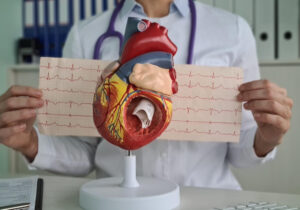
A resting electrocardiogram often looks normal in someone with CPVT, which makes this condition easy to miss. A cardiologist typically relies on tests that recreate the adrenaline response to catch the rhythm in action.
Tests Your Cardiologist May Recommend
- Exercise stress test: Monitors your heart rhythm while you exercise on a treadmill, mimicking real-world triggers.
- Genetic testing: Identifies the specific mutation responsible and allows screening of close relatives.
- Holter monitoring: Tracks heart activity over 24 to 48 hours to catch irregular beats during daily life.
- Family history review: Helps your cardiologist connect patterns across generations, since CPVT is inherited.
Because symptoms hide so well at rest, a thorough history of fainting spells and family deaths matters just as much as the test results themselves.
Treatment Options for CPVT
Once diagnosed, treatment focuses on calming the heart’s response to adrenaline before it turns dangerous. Common approaches include:
- Beta blockers: Medications that blunt the heart’s reaction to adrenaline surges.
- Activity guidance: Your cardiologist may recommend avoiding competitive sports or extreme exertion.
- Implantable cardioverter defibrillator: Recommended for higher-risk patients who continue having events despite medication.
- Family screening: Testing relatives to identify others who may carry the same mutation.
When to Visit a Cardiology Clinic in Brooklyn
You do not need to wait for a fainting episode to seek answers. If your family has a history of unexplained collapse during exercise or sudden death at a young age, a cardiology clinic in Brooklyn with experience in inherited arrhythmias can help determine whether CPVT is involved.
Choosing a cardiology clinic in Brooklyn that offers stress testing, Holter monitoring, and genetic counseling under one roof means your family gets answers without being sent from office to office during an already stressful time.
Protecting Your Family From Sudden Cardiac Events
Bidirectional ventricular tachycardia is rare, but it is manageable once identified. Diagnosing CPVT during high-adrenaline surges early gives your family the chance to adjust activities, start treatment, and screen relatives before tragedy strikes.
Reach out to our Cardiology team today by calling +1-718-367-2555 or visiting us at 1797 Pitkin Avenue, Brooklyn, NY 1121 to schedule an evaluation and give your loved ones the expert, compassionate care they deserve.