Quadratus lumborum trigger points are a common but often overlooked cause of lateral low back stiffness. These knots form in the deep muscle running along the side of your spine and can cause pain that mimics hip or kidney problems. Finding the root cause of lateral low back stiffness usually starts with identifying these trigger points through a physical exam, then treating them with targeted therapy, injections, or guidance from a pain management specialist.
You have been living with a dull ache along the side of your lower back for weeks. Sitting feels stiff. Standing up from a chair sends a tight pull through your waistline. You have tried stretching, heat, and over-the-counter pain relievers, but nothing seems to get to the source.
If this sounds like your experience, quadratus lumborum trigger points may be the hidden culprit. This deep muscle sits along the back wall of your abdomen, connecting your pelvis to your ribs and spine. When it develops trigger points, the pain it produces can feel confusing and persistent, which makes finding the root cause of lateral low back stiffness feel like a puzzle without obvious pieces.
This guide walks you through why these trigger points develop, the warning signs to watch for, and what treatment options can help you feel like yourself again.
Why Quadratus Lumborum Trigger Points Cause Lateral Low Back Stiffness
The quadratus lumborum muscle plays a quiet but important role in your body. It stabilizes your pelvis and spine every time you walk, twist, or even breathe. Because it works so constantly, it is prone to overuse and strain.
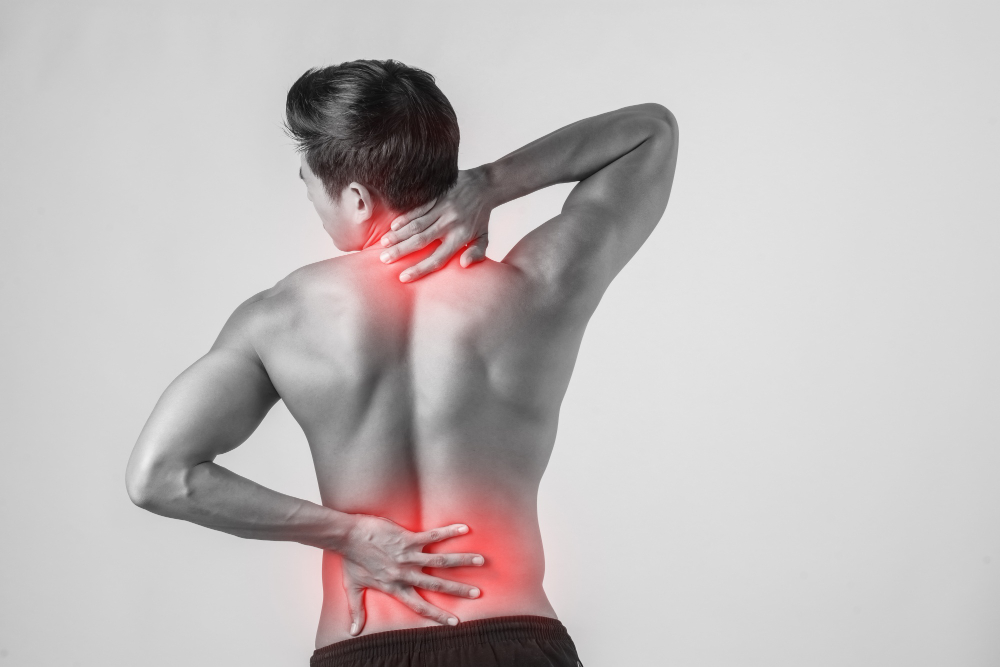
When fibers within this muscle tighten into small, irritated knots, those knots are called trigger points. They restrict blood flow to the area and send pain signals that radiate along the side of your lower back and hip. This is why quadratus lumborum trigger points so often get mistaken for sciatica, kidney issues, or hip joint problems.
Repetitive movement, prolonged sitting, poor posture, and even stress-related muscle tension can all contribute to the formation of these trigger points. Understanding this connection is the first step toward finding the root cause of lateral low back stiffness rather than simply managing the symptoms.
Signs and Symptoms of QL Trigger Points
Quadratus lumborum trigger points rarely announce themselves clearly. The pain can be dull one day and sharp the next, which makes it easy to dismiss as general soreness.
Key Warning Signs
- Deep, aching stiffness on one side: The discomfort usually sits along the lower back and hip, rather than directly on the spine.
- Pain that worsens with sitting or standing: Staying in one position for too long tends to intensify the stiffness.
- Difficulty finding a comfortable sleep position: Many people notice the ache flares up at night, especially when lying on the affected side.
- Referred pain to the hip or buttock: The discomfort can travel beyond the lower back, which often leads people to look in the wrong place for answers.
If these signs sound familiar, you are not imagining things. Your body is telling you something specific, and getting the right diagnosis can bring real relief.
Finding the Root Cause of Lateral Low Back Stiffness
Relief starts with identifying exactly where the trigger points sit and what is causing them to form. A thorough physical exam, including palpation of the quadratus lumborum muscle, is usually the first step toward finding the root cause of lateral low back stiffness.
Conservative vs. Advanced Treatment Options
Choose conservative treatment first if your symptoms are mild or recent. This often includes targeted stretching, physical therapy, heat therapy, and posture adjustments that relieve pressure on the muscle.
Choose advanced treatment if conservative care has not brought lasting relief. This may involve trigger point injections to release tight muscle fibers, or guided therapy from a pain management specialist who can tailor a plan to your specific pattern of pain.
When to See a Pain Management Specialist
You should not have to live with ongoing stiffness that limits your daily routine. If your lower back pain has lasted more than a few weeks, or if it keeps returning despite rest and stretching, it is time to talk with a pain management specialist.
A pain management specialist can confirm whether quadratus lumborum trigger points are behind your symptoms and rule out other causes, such as spinal or kidney issues. With the right evaluation, you can move from guessing what is wrong to following a clear plan for recovery.
Relief Is Closer Than It Feels
Living with unexplained back stiffness can wear on more than your body. It can affect your sleep, your mood, and your ability to enjoy everyday activities with the people you love. You do not have to keep searching for answers alone.
Reach out to our Pain Management team today by calling +1-718-367-2555 or visiting us at 1797 Pitkin Avenue, Brooklyn, NY 1121, at a time that fits your schedule. A clear diagnosis is the first step toward lasting relief, and our team is here to help you take it.