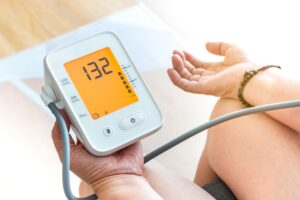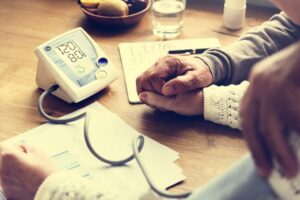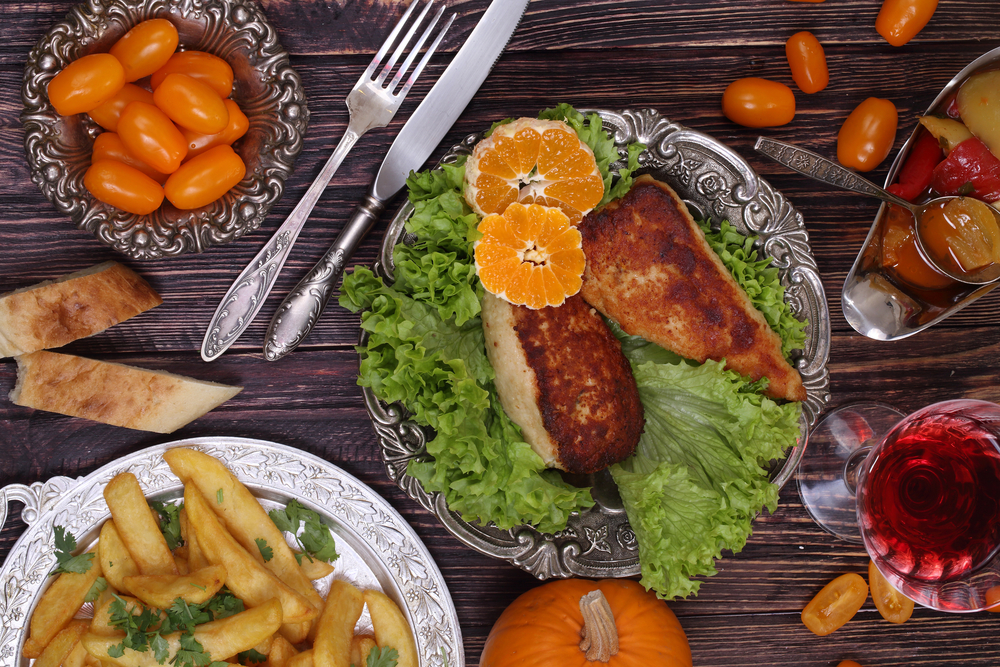
Holiday meals are often loaded with hidden sodium from gravy and stuffing to canned vegetables and cured meats, which can spike blood pressure within hours of eating. For patients with congestive heart failure, this sudden sodium surge can trigger fluid retention and a dangerous heart failure flare. Watching portions, choosing low-sodium swaps, and knowing the warning signs can help protect your heart through the holidays.
Thanksgiving dinner carries a lot of emotional weight. It is a table full of family, tradition, and comfort food you look forward to all year. But for anyone managing high blood pressure or congestive heart failure, that same table can quietly work against your heart health. Understanding how holiday meals affect blood pressure and why congestive heart failure patients face extra risk can help you enjoy the season without paying for it later.
How Holiday Meals Drive Up Blood Pressure
The Hidden Sodium in Thanksgiving Dishes
Sodium hides in places you would not expect. A single serving of canned gravy, boxed stuffing mix, or deli ham can carry 500 to 1,000 milligrams of sodium or more, and a full holiday plate can easily exceed 3,000 milligrams in one sitting. The American Heart Association recommends no more than 2,300 milligrams of sodium per day, with an ideal limit closer to 1,500 milligrams for most adults, especially those managing blood pressure concerns. Traditional sides like mashed potatoes, canned green beans, and premade pie crusts often carry salt added purely for shelf life and flavor, not nutrition.
How Excess Sodium Affects Blood Pressure
When you eat a sodium-heavy meal, your body holds onto extra water to balance the salt in your bloodstream. That extra fluid increases the volume of blood your heart has to pump, which raises blood pressure almost immediately. For most people, this effect is temporary and manageable. For someone with an already strained cardiovascular system, it is a much bigger burden.
Why Congestive Heart Failure Patients Face Extra Risk During the Holidays
Congestive heart failure means your heart cannot pump blood as efficiently as it should. When sodium pulls extra fluid into your bloodstream, a healthy heart can usually adjust. A heart already working at reduced capacity often cannot keep up, and that fluid backs up into the lungs and body instead. This is how a single indulgent meal can turn into a trip to the emergency room.
Warning Signs of a Heart Failure Flare After Holiday Meals
You know your body best, and catching these signs early makes a real difference.
- Sudden weight gain: Gaining two or more pounds in a day, or five pounds in a week, often signals fluid retention rather than fat.
- Shortness of breath: Trouble breathing while lying down, or needing extra pillows to sleep comfortably, is a red flag.
- Swelling: Puffiness in your ankles, legs, or abdomen points to fluid buildup your body cannot clear.
- Fatigue: Feeling unusually tired or weak after a meal can mean your heart is working harder than it should.
If you notice any of these signs, do not wait it out. Reach out to your care team the same day.
Practical Tips to Enjoy Holiday Meals More Safely
You do not have to skip the table to protect your heart. A few adjustments go a long way:
- Taste before you salt. Many dishes already carry more sodium than you realize.
- Choose fresh over canned or cured. Fresh turkey, vegetables, and herbs carry far less sodium than their canned or packaged counterparts.
- Make your own gravy and stuffing when possible, so you control how much salt goes in.
- Watch your portions, even with heart-healthy dishes, since quantity adds up.
- Weigh yourself the morning after a big meal to catch early fluid changes. Our Health Corner offers more guidance on heart-healthy eating through the holiday season and beyond.
Protecting Your Heart Starts With a Conversation
Holiday meals should bring comfort, not worry. Knowing how sodium affects your blood pressure and recognizing the early warning signs of a heart failure flare puts you back in control of your health during the season you look forward to most.
Our Cardiology team is here to explain every step of the walking protocol, answer your safety questions, and support your family before, during, and after the appointment. Reach out to us today by calling +1-718-367-2555 or visiting us at 1797 Pitkin Avenue, Brooklyn, NY 1121 to schedule a stress test and get the answers you deserve.