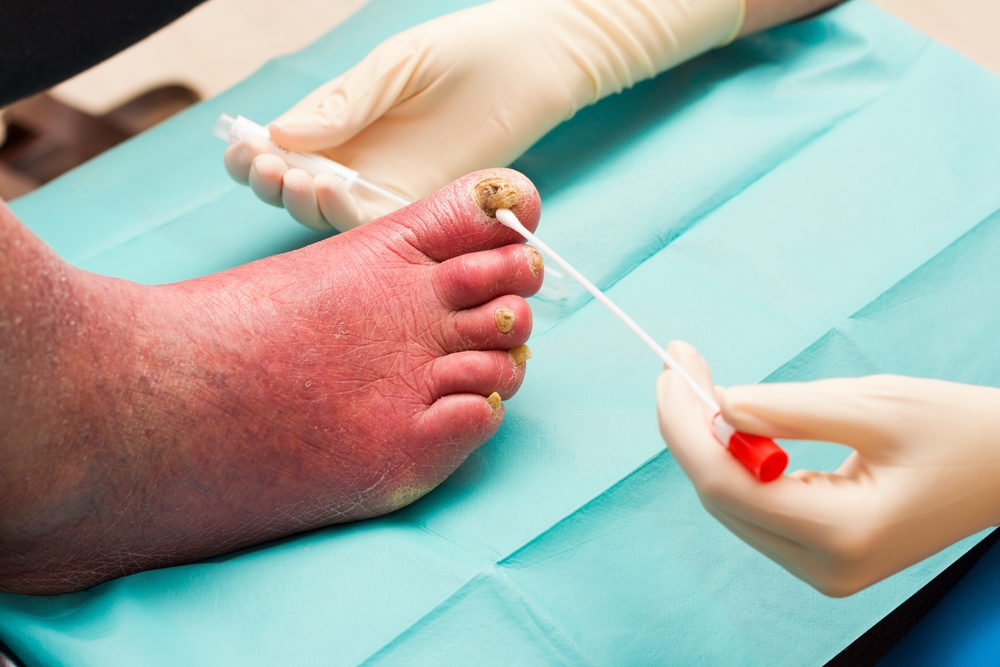
A diabetic winter foot check means inspecting your feet daily for cuts, color changes, and numbness that cold weather can mask. Diabetics face a higher risk of frostbite and slow-healing wounds because reduced circulation and nerve damage dull the warning signs of injury.
Cold weather brings a hidden danger for people managing diabetes. When temperatures drop, blood vessels narrow and circulation to your feet slows even further than usual. If you already live with diabetic neuropathy, you may not feel the first signs of frostbite, a blister, or a pressure sore forming.
That combination of reduced blood flow and reduced sensation is why a diabetic winter foot check matters so much this time of year. A small cut that goes unnoticed in December can turn into a serious infection by January. Taking a few extra minutes each day protects you from complications that are far harder to treat than they are to prevent.
Why Diabetics Face Higher Risks in Cold Weather
Diabetes affects both the nerves and blood vessels in your feet. Nerve damage, known as peripheral neuropathy, reduces your ability to feel pain, heat, or cold. Poor circulation, meanwhile, slows your body’s ability to heal and fight off infection.
When winter arrives, these two factors combine in a dangerous way. Your feet lose heat faster than the rest of your body, yet you may not notice the chill until real damage has occurred. That is why cold weather safety has to be a deliberate habit, not an afterthought, for anyone managing diabetes.
How to Perform a Daily Diabetic Winter Foot Check
A thorough check takes only a few minutes, but consistency is what keeps you safe all season.
What to Look For
- Color changes: Pale, blue, or unusually red skin can signal poor circulation or early frostbite.
- Cuts and blisters: Even minor breaks in the skin need attention, since healing slows dramatically in diabetics.
- Swelling or warmth: These can point to infection, even without visible wounds.
- Numbness or tingling: New or worsening numbness is a sign nerve damage may be progressing.
- Dry, cracked skin: Cracks create an entry point for bacteria, especially in dry winter air.
How to Check Properly
Sit in a well-lit room and examine the top, bottom, and sides of each foot. Use a mirror or ask a family member for help if bending is difficult. Checking between your toes is just as important as checking the soles, since moisture and friction often collect there unnoticed.
Cold-Weather Safety Rules Every Diabetic Should Follow
Avoid Direct Heat Sources
Space heaters, heating pads, and hot water bottles feel comforting, but diabetics with neuropathy can suffer burns without realizing it. Warm your feet gradually with socks and blankets instead.
Keep Feet Warm and Dry
Wear moisture-wicking socks and insulated, well-fitting shoes whenever you go outside. Wet socks pull heat away from your skin quickly, raising your risk of frostbite even in moderate cold.
Moisturize, But Skip Between the Toes
Dry winter air cracks skin and opens the door to infection. Apply lotion to the tops and bottoms of your feet, but leave the spaces between your toes dry to prevent fungal growth.
Trim Nails Carefully
Cut toenails straight across and file sharp edges to avoid ingrown nails, which can quickly become infected in diabetics. If your eyesight or dexterity makes this difficult, a podiatrist experienced in diabetic foot care can handle it safely.
When to See a Foot Doctor
Contact a specialist right away if you notice a wound that is not healing, skin that is cold to the touch, or color that does not return to normal within a few minutes of warming up. These signs can indicate a circulation problem or infection that needs prompt medical attention.
You do not have to manage these risks alone. If cold weather has you worried about a cut, a change in sensation, or ongoing foot pain, support is available close to home. If you are experiencing foot or ankle issues related to arthritis, our team of foot doctors is here to help you find relief. For additional guidance, see our related article on protecting your feet during winter workouts.
Our podiatry team works with you to identify the cause of your pain and build a treatment plan suited to your lifestyle. Reach out to us today by calling +1-718-367-2555 or visiting us at 1797 Pitkin Avenue, Brooklyn, NY 1121 to schedule an evaluation and take the first step toward lasting relief.