Trimming your toenails seems like a small task, but doing it the wrong way can lead to painful, lasting problems. Many people don’t realize that a single bad cut can set the stage for an ingrown nail or a stubborn infection.
You deserve to care for your feet with confidence. Knowing how to trim toenails properly is one of the simplest ways to prevent ingrown nail pain before it ever starts.
Why Proper Toenail Trimming Matters
The way you cut your nails affects more than appearance. Nails that are trimmed too short or curved too aggressively can push into the surrounding skin as they grow back.
That pressure is what causes an ingrown nail. Once the skin breaks down around the nail edge, bacteria can enter, raising your risk of infection.
Taking a few extra moments with each trim protects you from weeks of discomfort later.
How to Trim Toenails the Right Way
Good technique starts before you ever pick up the clippers.
Prepare Your Nails First
Soften your nails before trimming to reduce the chance of cracking or splitting. A warm foot soak for five to ten minutes makes nails easier to cut cleanly.
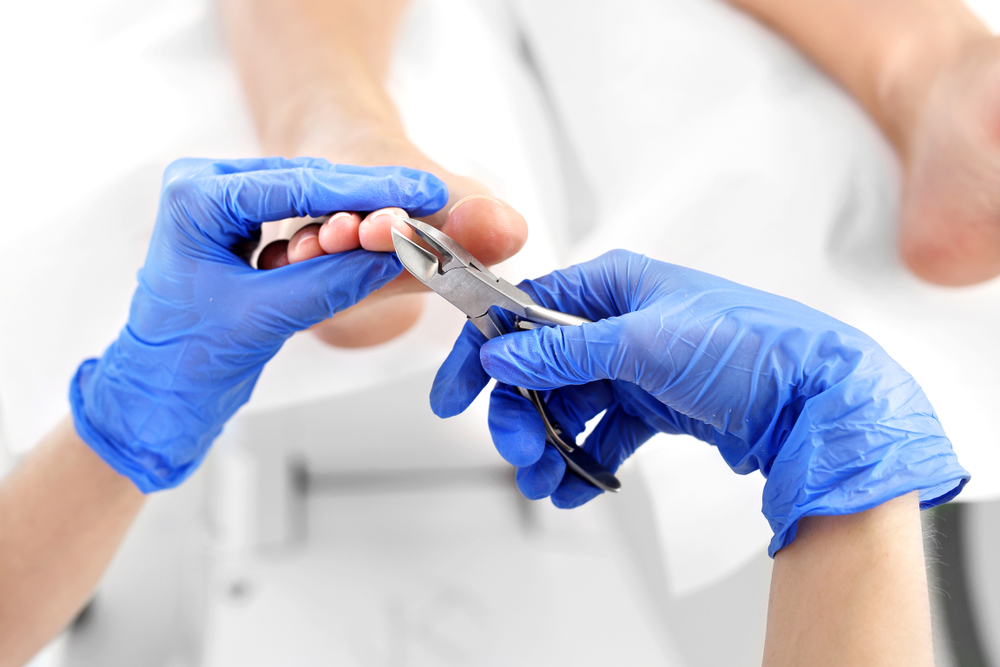
Always use clean, sharp clippers. Dull or shared tools increase your risk of introducing bacteria into the nail bed.
Follow the Straight-Across Rule
Cut toenails straight across, not curved like fingernails. Rounding the corners is one of the most common mistakes that leads directly to ingrown nail problems.
Here is a simple trimming checklist to follow:
- Cut straight across: Avoid curving into the corners, which encourages nails to grow into the skin.
- Leave a little length: Trim nails even with the tip of the toe, not shorter. Cutting too short removes the natural barrier that protects the nail bed.
- Smooth sharp edges: Use an emery board to gently file any rough corners after cutting.
- Avoid digging at the corners: Picking or digging near the nail edge can tear skin and invite infection.
Trim Regularly, Not Aggressively
Trim your nails every six to eight weeks, or sooner if you notice thickening or snagging. Frequent, gentle trims are far safer than infrequent, aggressive ones.
How to Prevent Ingrown Nails Between Trims
Trimming correctly is only part of the picture. Daily habits also play a role in whether you prevent ingrown nail pain from developing in the first place.
Consider these everyday habits:
- Wear properly fitted shoes: Tight shoes push toes together and press nails into the skin.
- Keep feet dry: Moisture softens skin and makes it more vulnerable to irritation and infection.
- Check your feet regularly: Look for redness, swelling, or tenderness near the nail edge, especially if you have diabetes or poor circulation.
How to Prevent Infection If a Nail Becomes Ingrown
Sometimes, despite your best efforts, a nail starts to grow inward. Acting quickly is the best way to prevent infection from taking hold.
At the first sign of redness or tenderness, soak the foot in warm water two to three times a day. Gently lift the nail edge away from the skin with a clean cotton swab, and avoid tight shoes until the area heals.
If you notice pus, spreading redness, warmth, or increasing pain, these are signs of infection that need professional attention. Waiting it out rarely helps and can allow the problem to worsen.
When to See a Podiatrist
Minor ingrown nails often improve with home care, but some situations call for a trained eye. This is especially important if you have diabetes, since even small foot injuries can become serious without proper care.
You do not have to manage recurring nail pain alone. The right guidance makes it far easier to protect your feet for the long term.
Our podiatry team is ready to guide you through every stage of your care, from your initial exam to long-term treatment. Reach out to us today by calling +1-718-367-2555 or visiting us at 1797 Pitkin Avenue, Brooklyn, NY 11212 to schedule your consultation and start walking toward better foot health.