Finding the right shoe size comes down to three things: accurate measuring, a toe box fit that leaves room to wiggle, and a proper heel fit that keeps your foot from sliding. Measure both feet later in the day, check that your longest toe has about a thumb’s width of space, and make sure your heel stays snug without pinching.
A shoe that does not fit right can turn every step into a small struggle. Maybe your toes feel cramped by lunchtime, or your heel keeps slipping no matter how tight you lace up. These are not minor annoyances. Poor fit is one of the most common and overlooked causes of foot pain, blisters, and long-term joint strain.
How to Measure Your Foot for the Right Shoe Size
Most people assume they know their shoe size, but feet change over time due to age, weight shifts, and pregnancy. Measuring your foot periodically helps you catch those changes before they cause discomfort.
Here is a simple way to measure at home:
- Measure later in the day. Feet naturally swell as the day goes on, so an afternoon or evening measurement gives you a more accurate picture.
- Trace both feet. Stand on a piece of paper and trace the outline of each foot. Most people have one foot slightly larger than the other, so always size for the bigger one.
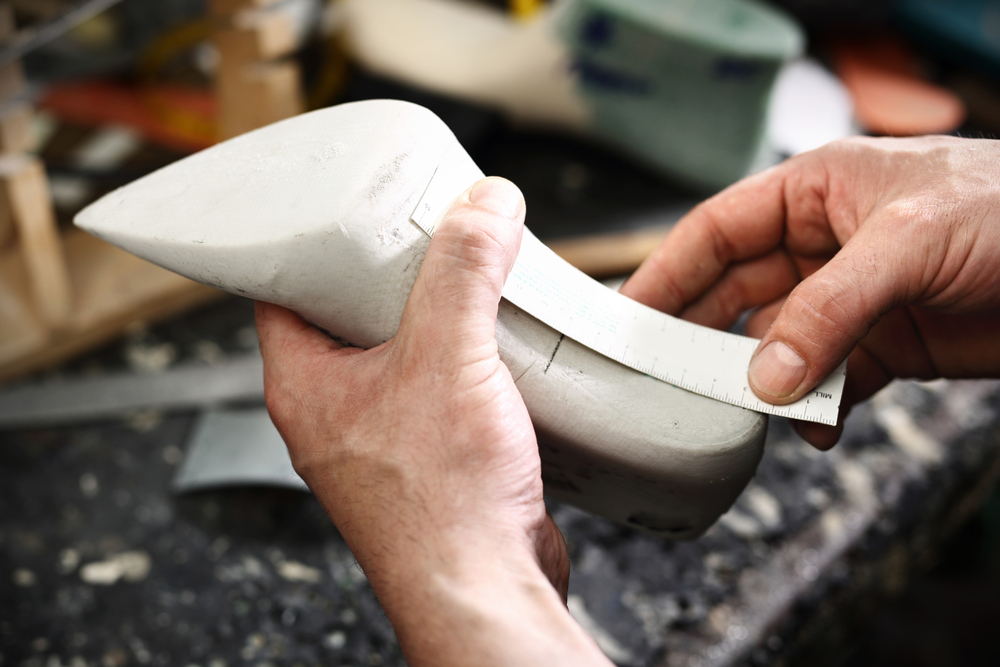
- Measure length and width. Use a ruler to measure from heel to the tip of your longest toe, then measure the widest part of your foot.
- Compare to a sizing chart. Shoe brands vary, so check the manufacturer’s size chart rather than relying on your usual number alone.
If you are shopping for a growing child’s shoes, measuring every few months is especially important since young feet can grow faster than expected.
Understanding Toe Box Fit
The toe box is the front part of the shoe that houses your toes, and it is one of the most common places where fit goes wrong. A toe box that is too narrow or too short can lead to blisters, ingrown toenails, and even long-term deformities like bunions or hammertoes.
What a Proper Toe Box Should Feel Like
A well-fitting toe box gives your toes room to move without feeling loose. When you stand up in the shoe, you should have about a thumb’s width of space between your longest toe and the front of the shoe. Your toes should be able to wiggle freely, and the shoe should not press down on the top of your foot or pinch at the sides.
If your toes feel squeezed together or you notice redness after wearing a shoe, that is a sign the toe box fit is not right for your foot shape.
Getting the Proper Heel Fit
A proper heel fit keeps your foot stable and prevents unnecessary friction with every step. The heel should feel snug, holding your foot securely in place without rubbing or pinching.
Signs of a Poor Heel Fit
Watch for these common indicators that your heel fit needs adjusting:
- Slipping while walking. If your heel lifts out of the shoe with each step, the shoe is likely too big, or the lacing is too loose.
- Blisters at the back of the heel. Repeated rubbing from a poor heel fit is one of the most frequent causes of blisters.
- Pinching or pressure. A heel that feels tight or pinched may mean the shoe is too narrow or too small overall.
Adjusting your lacing pattern can sometimes resolve minor slipping, but persistent problems usually mean the shoe is the wrong fit for your foot.
When to See a Podiatrist
Sometimes, foot pain has little to do with your shoes at all. If you have measured carefully, checked your toe box fit, and confirmed a proper heel fit but still experience pain, numbness, or swelling, it may be time to get a professional opinion.
Your Feet Deserve Shoes That Actually Fit
Getting the right shoe size takes a little patience, but it pays off in comfort and long-term foot health. Measuring correctly, checking your toe box fit, and confirming a proper heel fit are three simple habits that can prevent a surprising amount of pain down the road.
Our podiatry team is ready to guide you through every stage of your care, from your initial exam to long-term treatment. Reach out to us today by calling +1-718-367-2555 or visiting us at 1797 Pitkin Avenue, Brooklyn, NY 11212 to schedule your consultation and start walking toward better foot health.