Holiday travel raises your DVT risk because long flights and road trips keep your legs still for hours, slowing blood flow and allowing clots to form in your deep veins. Winter weather compounds this by narrowing blood vessels further. Moving your legs every hour, staying hydrated, and wearing compression stockings can meaningfully lower your risk during long trips.
The holidays bring long goodbyes at the airport gate and even longer hours behind the wheel. What many travelers do not realize is that sitting still for extended stretches carries a real medical risk. Deep vein thrombosis, or DVT, is a blood clot that forms in a deep vein, usually in the leg, and holiday travel is one of its most common triggers.
Cold weather makes this risk even more pressing. Low temperatures cause your blood vessels to constrict, and combined with hours of immobility on a plane or in a car, your circulation has to work harder to keep blood moving properly. Understanding what raises your risk, and what you can do about it, lets you travel this season with confidence instead of worry.
What Is DVT and Why Does Holiday Travel Increase Your Risk?
DVT occurs when a blood clot forms in a deep vein, most often in the lower leg or thigh. Left untreated, the clot can break loose and travel to the lungs, causing a pulmonary embolism, a life-threatening emergency. Travel lasting four hours or more roughly doubles the risk of developing a clot.
DVT Risk on Winter Flights: What You Need to Know
Air travel presents a unique combination of risk factors. Cramped seating limits leg movement, cabin air is drier than normal, and many travelers skip water in favor of coffee or alcohol, all of which thicken the blood and slow circulation.
How Cabin Pressure and Immobility Affect Circulation
Cabin pressure at altitude reduces oxygen levels slightly, which can cause blood vessels to constrict. Paired with hours of sitting, this makes it harder for blood to return efficiently from your legs to your heart. A short walk down the aisle every hour makes a measurable difference.
DVT Risk on Long Road Trips
Road trips carry a similar risk, often underestimated because drivers feel more “in control” than airline passengers. In reality, sitting for hours with your legs bent at the knee restricts blood flow just as much as a long flight.
How to Stay Safe During Extended Drives
Choose extended drives if you can build in regular stops, since movement is the most effective defense against clot formation. Stop every one to two hours to walk around, flex your ankles at red lights, and avoid crossing your legs for long stretches while seated.
Crucial Safety Tips to Prevent DVT During Holiday Travel
- Move every hour. Stand, stretch, or walk to keep blood circulating through your legs.
- Stay hydrated. Water helps prevent the blood from thickening; limit alcohol and caffeine.
- Wear compression stockings. These support healthy circulation on long flights or drives.
- Flex your ankles and calves. Simple seated exercises keep blood moving even when you cannot walk.
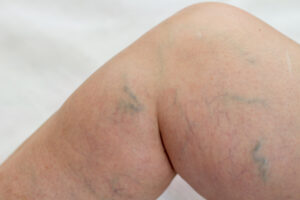
- Know your personal risk factors. A history of clots, recent surgery, or varicose veins raises your baseline risk.
Travel Safely This Season
You do not have to choose between seeing family this season and protecting your circulation. Our Vascular team provides personalized evaluations to ensure your treatment plan fits your health needs. Reach out today by calling +1-718-367-2555 or visiting us at 1797 Pitkin Avenue, Brooklyn, NY 11212, to schedule a consultation.