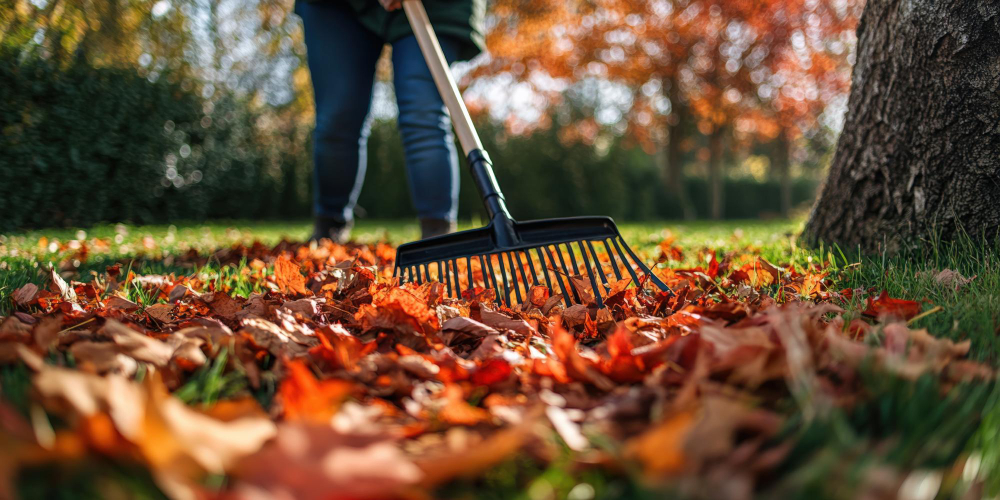
Raking leaves stirs up mold spores hiding in damp, decaying piles, which can trigger sneezing, congestion, itchy eyes, and asthma symptoms. Outdoor mold counts tend to climb in autumn, making yard work a common allergy trigger. Raking dry leaves, wearing protective gear, and showering afterward can help
If your sneezing fit always seems to start the moment you pick up a rake, you are not imagining things. Wet, piled leaves create a damp environment where mold thrives, and the simple act of raking, bagging, or tossing those leaves releases a cloud of spores right into your breathing zone. For many families, this means fall yard work comes with a side of watery eyes and a scratchy throat that lingers well after the leaves are bagged.
Why Does Leaf Raking Make Allergies Worse?
Decaying leaves hold onto moisture, and that moisture is exactly what outdoor mold needs to grow. As piles sit in your yard, mold colonizes the leaves from the inside out. Every rake stroke, every bag you fill, and every pile you kick through sends spores into the air around you.
Your body reacts to those spores the same way it reacts to pollen. The immune system treats them as a threat and responds with inflammation, which shows up as sneezing, a runny or stuffy nose, itchy or watery eyes, coughing, and throat irritation. If someone in your family manages asthma symptoms, mold exposure can also bring on wheezing, chest tightness, or shortness of breath. These reactions can start during the raking itself or show up hours later, which makes it easy to miss the connection.
Who Is Most Affected by Mold-Related Autumn Allergies?
Anyone can react to a heavy dose of mold spores, but the effects tend to hit hardest for young children, older adults, and anyone with asthma or an existing mold allergy. If you are caring for a parent or a little one at home, it is worth paying closer attention to how they feel after time spent in the yard, especially if symptoms seem to return every fall.
How Can You Rake Leaves Without Triggering Allergy Symptoms?
A few adjustments to your routine can make a real difference:
- Rake when leaves are dry. Damp piles release far more spores than dry ones, so choose a dry afternoon over a drizzly morning.
- Wear protective gear. A well-fitting mask, wraparound glasses, and gloves keep spores away from your eyes, nose, and mouth.
- Keep piles small and fresh. Leaves that sit and decompose become a bigger mold source, so bag or remove them before they break down.
- Shower and change clothes afterward. Rinsing off and washing your clothing helps remove spores before they spread indoors.
- Keep windows closed and consider indoor filtration. This limits how many spores make their way into your home.
- Let someone else handle it when needed. If mold allergy or asthma makes yard work risky, a family member without those sensitivities may be a safer choice for this particular chore.
When Should You See an Allergy Specialist
Mild, occasional sneezing after yard work is common and usually nothing to worry about. But if symptoms last more than a couple of weeks, return every autumn without fail, or involve asthma flare-ups, it is time to talk with an allergy specialist in Brooklyn, NY.
Allergy testing, whether through a skin test or a blood test, can pinpoint exactly what is triggering your reaction, and a clinician can walk you through options like antihistamines, nasal steroid sprays, or immunotherapy based on what fits your family’s needs.
You Do Not Have to Dread Fall Yard Work
Autumn allergies triggered by leaf raking are frustrating, but they are also manageable once you understand what is behind them. With a few precautions and the right support from an allergy specialist in Brooklyn, NY, you can enjoy the season without paying for it the next morning.
Our Allergy team works with patients across Brooklyn to identify allergy triggers and build personalized treatment plans that fit your family’s schedule and needs. Reach out to us today by calling +1-718-367-2555 or visiting us at 1797 Pitkin Avenue, Brooklyn, NY 11212 to schedule a consultation and start waking up easier.