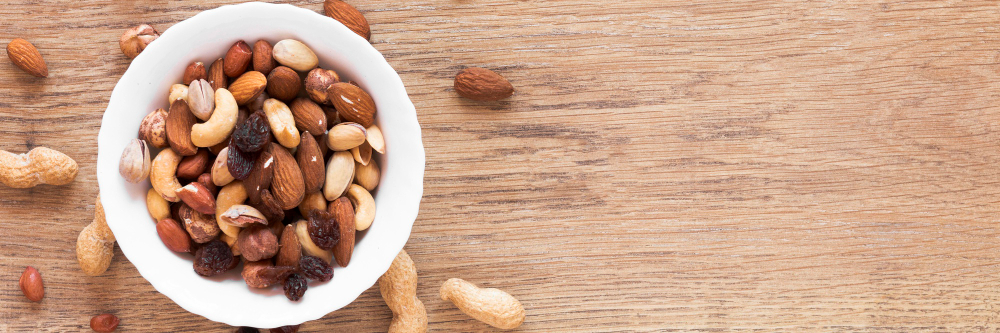
A handful of nuts a day, about one ounce, can support heart health, help regulate blood sugar, and fit into a weight-conscious diet without added guesswork. Regular nut eating lowers cardiovascular risk and reduces type 2 diabetes risk, though portion size matters.
A handful of nuts a day is one of those small, manageable habits that may support your loved one’s health without requiring a complete diet overhaul. It will not replace medication or medical care, but it can be a meaningful addition to an already thoughtful plan.
How Does a Handful of Nuts a Day Support Heart Health?
Heart disease is one of the most common worries families have, especially after a diagnosis or a hospital stay. It helps to know that food choices, alongside medical care, can play a supportive role.
The FDA issued a qualified health claim in 2003 stating that eating 1.5 ounces of most nuts daily, as part of a diet low in saturated fat and cholesterol, may reduce the risk of heart disease. That is a meaningful signal, even though it comes with the caveat that evidence “suggests but does not prove” this benefit.
Will Eating Nuts Every Day Cause Weight Gain?
This is a fair question, and an important one. Nuts are calorie-dense, running roughly 160 to 200 calories per ounce depending on the type, so portion size genuinely matters here.
The reassuring part is that most research on regular nut eating has not linked it to weight gain. Researchers believe this is because the protein, fiber, and fat in nuts help people feel full, which may offset the extra calories. We cannot promise weight loss or guarantee a specific outcome, but a measured handful, about one ounce or a quarter cup, fits comfortably into a balanced diet for most people.
Can a Handful of Nuts Help Manage Blood Sugar?
Blood sugar concerns often come up alongside a new diabetes diagnosis or a family history of the condition, and it is natural to want food choices that support stable glucose levels.
Nuts are naturally low in carbohydrates and contain fiber and healthy fats, which generally gives them a modest, manageable effect on blood sugar. Choose plain, unsalted or lightly salted varieties over honey-roasted or candied options, since added sugar can work against the very benefit you are looking for.
Which Nuts Are Best, and Who Should Be Cautious?
Most unsalted nuts, including almonds, walnuts, pistachios, and cashews, offer similar heart and blood sugar benefits, so personal preference and budget can guide the choice. Walnuts stand out slightly for their omega-3 content, making them a strong option if heart health is the primary concern.
A few safety notes are worth keeping in mind for your family:
- Allergies: Tree nut and peanut allergies are serious and require strict avoidance; never introduce nuts to someone with a known allergy.
- Choking risk: Whole nuts can pose a choking hazard for young children and older adults with swallowing difficulties. Nut butters or finely chopped nuts may be safer alternatives.
- Medical conditions: People with kidney conditions, or those taking blood thinners or diabetes medication, should talk with a clinician or dietitian before making nuts a daily habit.
- Sodium watch: Salted nuts can add up quickly; reading labels helps you keep sodium intake in check.
Taking the Next Step
A handful of nuts a day will not solve every health concern, but it can be one simple, evidence-backed habit that supports your loved one’s heart, weight, and blood sugar goals. Small, consistent choices like this one add up over time. If you or a loved one needs support building a plan that fits your home and your life, reach out to our Nutrition team today by calling +1-718-367-2555 or visiting us at 1797 Pitkin Avenue, Brooklyn, NY 1121 to schedule a consultation. We are here to help you take the next step, one meal at a time.