Chilblains, also called pernio, are painful, itchy skin reactions that happen when small blood vessels in your toes react to cold, damp air. Symptoms like red or purplish patches, swelling, and burning often appear hours after cold exposure. Most cases heal within a couple of weeks with gentle at-home care, but a podiatrist in Brooklyn can help if symptoms linger or worsen.
What Are Chilblains (Pernio)?
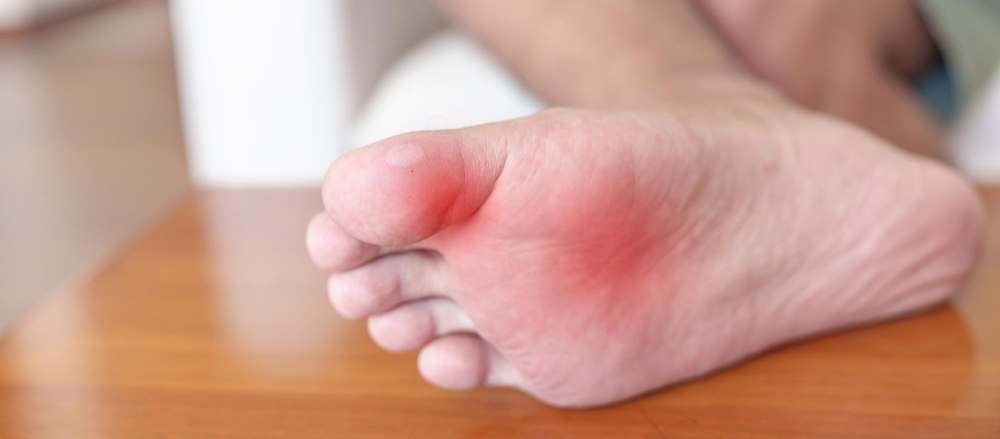
Chilblains are inflamed patches of skin that develop in response to cold, non-freezing, damp air. They most often affect the toes, though fingers, heels, ears, and the nose can also be affected.
The skin may look red or purplish, feel itchy or tender, and swell slightly. In more severe cases, blisters or small open sores can form. Symptoms typically show up hours after your loved one has been out in the cold, which can make the connection easy to miss at first.
Why Do Toes Turn Red, Itchy, and Swollen in Cold Weather?
The explanation comes down to how blood vessels respond to temperature changes. Cold air causes the small blood vessels near the skin’s surface to narrow, limiting blood flow to the toes.
When the skin rewarms too quickly, those blood vessels can leak fluid into the surrounding tissue. This is what causes the swelling, redness, and burning sensation associated with chilblains. Warming up too fast, such as sitting directly next to a heater or soaking feet in hot water, can actually make symptoms worse rather than better.
Who Is Most at Risk for Chilblains?
Chilblains can affect anyone, but certain factors raise the risk. People with Raynaud’s phenomenon, poor circulation, or autoimmune conditions like lupus are more susceptible.
Other risk factors include:
- Tight or damp footwear. Shoes and socks that trap moisture keep feet colder for longer.
- Smoking. It can restrict blood flow and slow skin recovery.
- Low body weight. Less natural insulation can leave toes more exposed to temperature swings.
- Family history. A genetic tendency toward chilblains is common in affected households.
- Diabetes or circulation disorders. These conditions call for closer monitoring, since foot complications can progress quickly.
Women and younger to middle-aged adults tend to be affected more often, though older adults with circulation concerns should take extra care.
How to Treat Chilblains at Home
Gentle, gradual care is the most effective way to support healing:
- Warm up slowly. Let skin return to room temperature naturally rather than using direct heat sources.
- Avoid scratching. Rubbing or scratching irritated skin can lead to further damage or infection.
- Keep your feet dry. Change wet socks promptly and choose warm, breathable footwear.
- Moisturize gently. A fragrance-free lotion can soothe dry, irritated skin.
- Protect against future exposure. Layered, dry socks and roomy shoes help prevent chilblains from recurring.
Most cases improve within one to three weeks once cold exposure is avoided. Still, some situations call for more than home care alone.
When to See a Podiatrist in Brooklyn
If your loved one’s chilblains do not improve within a few weeks, or if you notice blisters, open sores, or signs of infection such as increasing redness, warmth, or fever, it is time to reach out to a podiatrist in Brooklyn.
Find Comfort and Relief This Winter
Watching a loved one deal with painful, swollen toes year after year can feel discouraging, especially when home care only goes so far. You do not have to manage it alone. Our podiatry team is here to help you find lasting relief. If home care is not cutting it, reach out to us today by calling +1-718-367-2555 or visiting us at 1797 Pitkin Avenue, Brooklyn, NY 11212 to schedule an evaluation and take the next step toward comfortable, confident steps.