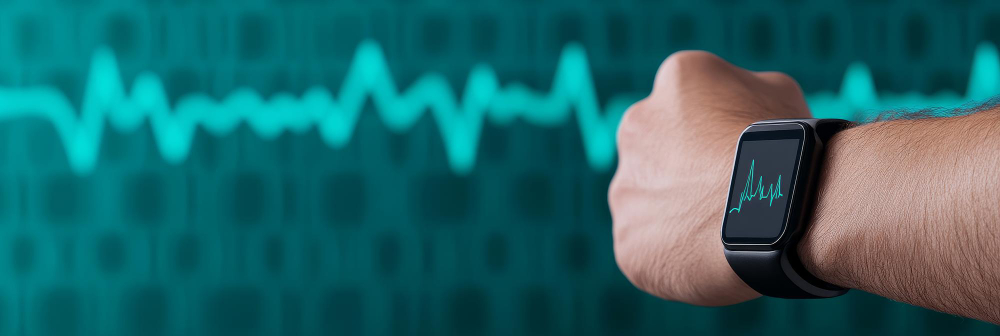
Your Smartwatch buzzes, and a message appears: irregular rhythm detected. That single notification can turn an ordinary afternoon into hours of worry. You are not alone in wondering what it means, and you are right to take it seriously.
Wearable ECG alerts have changed how people notice potential heart problems. The Smartwatch ECG app can record a single-lead electrocardiogram in just thirty seconds, right from your wrist. For many people, that alert is the first sign that something deserves closer attention. But a smartwatch reading is not the same as a diagnosis, and knowing the difference can protect your health and your peace of mind.
What Does the Smartwatch ECG Actually Measure?
The Smartwatch ECG records the electrical activity of your heart using sensors built into the watch’s back crystal and digital crown. When you place a finger on the crown, the watch completes an electrical circuit between your wrist and hand, generating a single-lead ECG tracing.
This single lead is enough to detect certain rhythm patterns, particularly atrial fibrillation, also called AFib. A standard medical ECG uses twelve leads, giving your cardiologist a far more detailed picture of your heart’s electrical activity from multiple angles. The Smart Watch was never designed to replace that level of detail. It was designed to flag a possible concern and prompt you to seek medical evaluation.
How Accurate Is the Smart Watch ECG?
Clinical studies, submitted to the FDA, found that the ECG app correctly identified AFib with high sensitivity when compared to simultaneous recordings from standard ECG equipment. That track record is reassuring, and it explains why the feature carries FDA clearance for detecting AFib in adults 22 and older.
Accuracy still has limits. Motion, poor skin contact, certain skin tones, and tattoos over the sensor area can all distort a reading. The watch may also return an “inconclusive” result if your heart rate falls outside its detection range. None of this means the device is unreliable. It means the Smartwatch is a screening tool, not a diagnostic one, and every alert deserves a second look from a trained eye.
When to Trust Your Smartwatch Alert
Some situations call for prompt but not panicked action. Trust the alert as a reason to pay closer attention when:
- You feel symptoms alongside the alert. Palpitations, lightheadedness, or fatigue paired with an irregular rhythm notification are worth discussing with your doctor soon.
- The alert repeats over several days. A single inconclusive reading may mean little. A pattern of repeated AFib notifications is more clinically meaningful.
- You have known risk factors. A family history of heart disease, high blood pressure, or prior arrhythmia makes a new alert more significant.
In these cases, save the ECG recording from your Health app and bring it with you to your appointment. That data gives your cardiologist a valuable starting point.
Limitations of Wearable ECG Devices
Wearable ECG devices cannot detect every type of heart condition. They are built primarily to flag AFib, not heart attacks, structural heart disease, or most other arrhythmias. A normal reading on your watch does not guarantee a healthy heart, and an abnormal one does not confirm disease. Only a cardiologist, using a twelve-lead ECG and a full clinical evaluation, can tell you what is actually happening inside your heart.
Your Next Step Toward Heart Health
A Smartwatch alert is a prompt to pay attention, not a verdict on your heart health. The next right move is a conversation with a specialist who can turn that notification into real answers. Our Cardiology team is here to explain every step of the walking protocol, answer your safety questions, and support your family before, during, and after the appointment. Reach out today by calling +1-718-367-2555 or visiting us at 1797 Pitkin Avenue, Brooklyn, NY 11212 to schedule a stress test and get the answers you deserve.