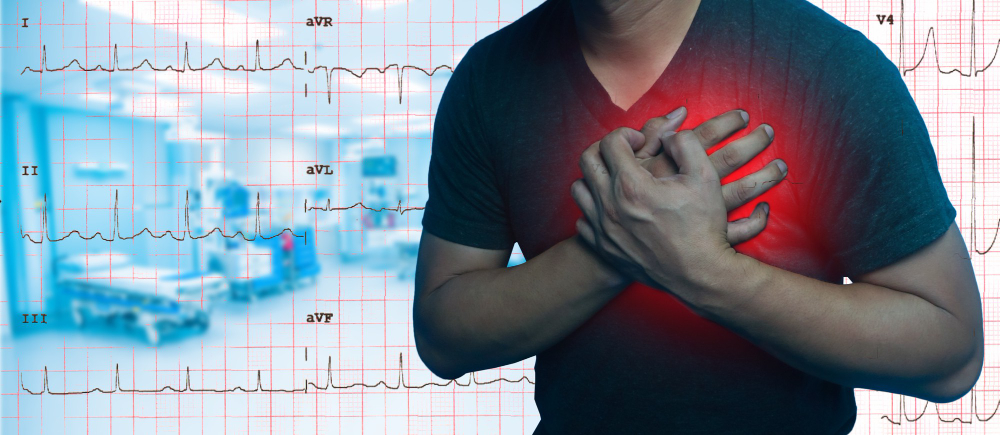
Flu, COVID, and RSV all cause inflammation and stress on the body that can trigger a heart attack, even in people without known heart disease. Respiratory infection season raises heart attack risk because viral illness strains the cardiovascular system at the same time it weakens the body’s defenses. Vaccination, prompt treatment, and cardiac monitoring help protect your heart during this vulnerable time.
Respiratory infections like influenza, COVID-19, and RSV do more than attack your lungs. They trigger inflammation throughout the body, place extra strain on the heart, and can set off events that lead to a cardiac emergency. This is especially true for older adults and people already managing conditions like high blood pressure or coronary artery disease.
How Flu, COVID, and RSV Raise Heart Attack Risk
When your body fights off a respiratory infection, it mounts an inflammatory response. This response is necessary and protective, but it also places real demands on your cardiovascular system. Your heart rate rises, blood pressure can shift, and blood becomes more prone to clotting. For a healthy heart, this is usually manageable. For a heart already under strain, it can be the tipping point toward a heart attack.
The risk of a heart attack is significantly higher in the days following a flu diagnosis compared with the same person’s baseline risk. COVID-19 carries a similar pattern. Research published by the American Heart Association has linked COVID-19 infection to increased rates of blood clotting, inflammation of the heart muscle, and acute cardiac events, particularly in the first two weeks after diagnosis.
RSV, long associated mainly with infants and young children, is now understood to pose cardiovascular risks for older adults as well. Severe RSV infection can lead to the same inflammatory cascade seen with flu and COVID, straining a heart that may already be working harder than it should.
Who Is Most Vulnerable During Respiratory Illness Season
Not everyone faces the same level of risk during flu, COVID, and RSV season. You deserve to know where you or your loved one falls on that spectrum, because that knowledge shapes how carefully you should prepare.
- Older adults: Age brings a natural decline in immune response and a higher likelihood of existing heart conditions, both of which raise heart attack risk during respiratory illness.
- People with existing heart disease: A heart already managing coronary artery disease, heart failure, or arrhythmias has less reserve to absorb the added strain of infection.
- People with diabetes or chronic lung disease: These conditions compound the inflammatory burden a respiratory infection places on the body.
- Pregnant individuals: Changes in heart and lung function during pregnancy can make respiratory infections riskier for both parent and baby.
- Unvaccinated individuals: Without vaccine protection, the body faces a harder, longer fight against the virus, which extends the window of cardiovascular strain.
Steps to Protect Your Heart During Flu, COVID, and RSV Season
You have more control over this risk than you might think. A few consistent habits can meaningfully lower the chance that a respiratory infection turns into a cardiac emergency.
- Stay current on vaccinations: Annual flu shots, updated COVID vaccines, and RSV vaccination for eligible adults all reduce the severity of infection, which in turn reduces cardiovascular strain.
- Treat symptoms early: Do not wait out a fever or persistent cough, especially if you have a heart condition. Early treatment can prevent the illness from progressing to a point where your heart is put at serious risk.
- Monitor your heart rate and blood pressure: If you are managing heart disease, check these numbers more closely while sick, and contact your doctor if they shift significantly.
- Stay hydrated and rested: Dehydration thickens the blood and adds to clotting risk, while poor rest limits your body’s ability to fight infection efficiently.
- Know the warning signs: Chest pain, shortness of breath, dizziness, or an irregular heartbeat during or after a respiratory illness warrant immediate medical attention, not a wait-and-see approach.
Protecting Your Heart Starts With a Conversation
Respiratory infection season does not have to mean added fear for you or your family.
Our Cardiology team is here to explain every step of the walking protocol, answer your safety questions, and support your family before, during, and after the appointment. Reach out today by calling +1-718-367-2555 or visiting us at 1797 Pitkin Avenue, Brooklyn, NY 11212 to schedule a stress test and get the answers you deserve.