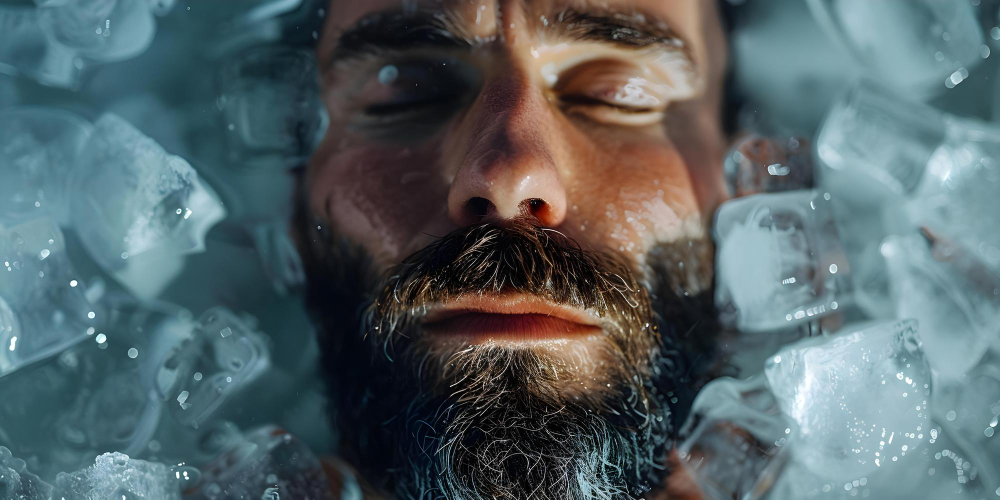
Cold plunges and ice baths cause blood vessels to narrow and the heart rate to spike within seconds of immersion. For people with high blood pressure or heart disease, this sudden strain can be risky. Talking with a cardiologist before trying a cold plunge or ice bath helps you understand your personal risk and stay safe.
Cold plunges and ice baths have become a popular wellness trend, showing up in gyms, spas, and backyards everywhere. The appeal makes sense. Many people say the cold exposure leaves them feeling more alert and less sore. But if you or a loved one lives with high blood pressure or heart disease, that same cold water can put real strain on your heart.
What Happens to Your Body During a Cold Plunge?
Cold water immersion triggers an immediate physical response. Your blood vessels constrict to preserve heat, which raises blood pressure within moments. At the same time, your heart rate often jumps as your body reacts to the shock of the cold.
This reaction has a name: the cold shock response. It can cause gasping, rapid breathing, and a racing heartbeat, all within the first minute of entering the water. For a healthy heart, this response usually passes quickly. For someone managing hypertension, coronary artery disease, arrhythmias, heart failure, or a history of heart attack or stroke, that sudden spike can be dangerous.
Why Cold Plunges Carry Extra Risk With Heart Disease
A heart that is already working hard to manage high blood pressure does not need an additional challenge. The combination of narrowed blood vessels and a racing pulse forces the heart to pump against greater resistance in a very short window of time.
This does not mean cold plunges are off-limits for everyone with a heart condition. It does mean the decision should never be made without a conversation with your cardiology team first. Your doctor can review your health history and help you understand whether cold exposure is a reasonable choice for your specific situation.
How Can You Try Cold Exposure More Safely?
If your doctor gives you the go-ahead, a few precautions can lower your risk:
- Never plunge alone: Have someone nearby who can help if you feel unwell.
- Skip it if your blood pressure is uncontrolled: Wait until your numbers are stable and your doctor has weighed in.
- Start small: A brief cool shower is a gentler way to gauge your body’s response than a full ice bath.
- Watch for warning signs: Dizziness, chest pain, or a pounding heartbeat means it is time to get out immediately.
- Call 911 for chest pain or fainting: These symptoms need emergency attention right away, not a wait-and-see approach.
Pairing these precautions with steady, heart-healthy habits at home gives your heart more support throughout the week, not just during a single cold exposure session.
You Deserve Clear Answers, Not Guesswork
Trying a new wellness trend should never come with uncertainty about your heart. If you or a loved one has high blood pressure or heart disease, the best cardiologist in Brooklyn can help you weigh the risks of cold plunges and ice baths against your personal health history.
Our Cardiology team is here to explain every step of the walking protocol, answer your safety questions, and support your family before, during, and after the appointment. Reach out today by calling +1-718-367-2555 or visiting us at 1797 Pitkin Avenue, Brooklyn, NY 1121 to schedule a stress test and get the answers you deserve.