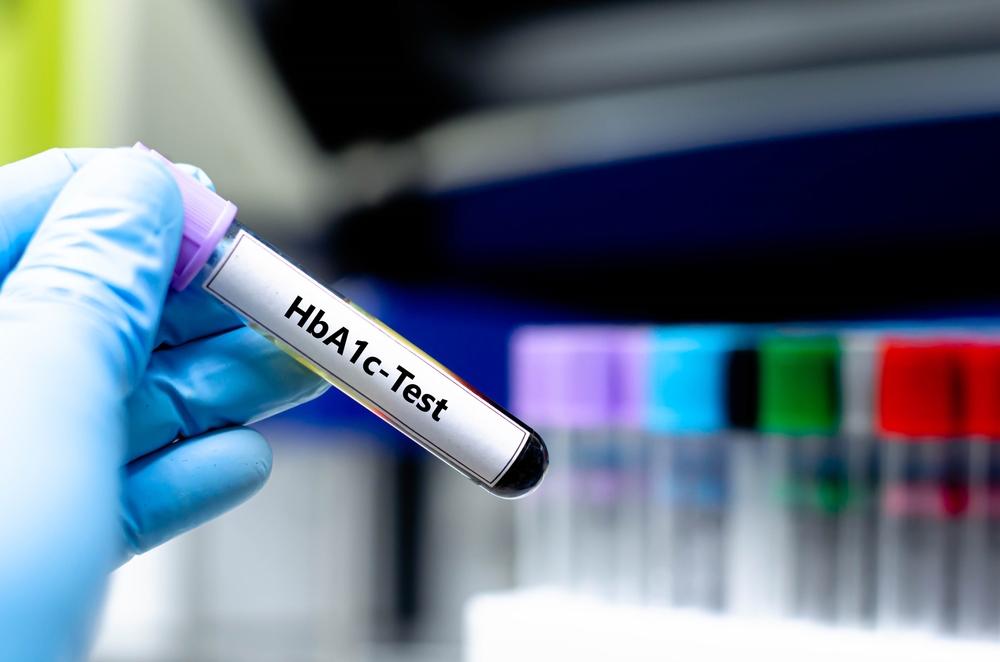
Understanding the Importance of the A1C Test in Diabetes Care
Did you know that the A1C test, also known as the Hemoglobin A1C test, is one of the most essential tools in identifying and managing diabetes? This simple blood test doesn’t just provide a one-time snapshot—it offers a powerful overview of your average blood sugar levels over the past 2 to 3 months, making it a critical indicator for both diagnosis and long-term diabetes management.
When left uncontrolled, diabetes can silently damage multiple organs and systems in the body. Elevated blood sugar over time is linked to serious complications such as heart disease, nerve damage (neuropathy), kidney failure, vision loss, and even problems with hearing and oral health. Alarming as it may sound, diabetes remains the seventh leading cause of death in the United States, affecting millions of people each year.
Recognizing the early symptoms is key. Some common warning signs include:
Excessive thirst and frequent urination
Blurred vision
Persistent fatigue
Numbness or tingling in the hands and feet
If you’re experiencing any of these symptoms—or if you’re at risk due to family history, weight, or lifestyle factors—the A1C test can help detect changes in your blood sugar before complications arise. Unlike daily glucose checks that show real-time readings, the A1C test reveals whether your blood sugar has been consistently high, allowing your healthcare provider to make more informed treatment decisions.
Regular monitoring with the A1C test empowers both patients and providers to take control of diabetes before it causes irreversible damage. It also helps track progress and evaluate the effectiveness of lifestyle changes, medications, and other interventions.
For personalized care and expert guidance in managing or preventing diabetes, visit www.doralhw.org and book a consultation with our healthcare team today.
Management of Diabetes: The Role of the A1C Test
Effective diabetes management requires maintaining blood sugar levels within a healthy, targeted range. To support this goal, healthcare providers often recommend a combination of medications, physical activity, nutrition planning, and routine monitoring. One of the most reliable tools used to track long-term blood sugar control is the A1C test.
Unlike daily fingerstick tests, which show blood glucose at a single moment, the A1C test offers a broader perspective by measuring average blood sugar levels over the previous two to three months. This makes it a valuable indicator of how well a treatment plan is working and whether adjustments are needed.
The A1C test not only helps guide day-to-day diabetes management, but it’s also widely used in diagnosing prediabetes, a condition where blood sugar is elevated but not yet high enough to be classified as type 2 diabetes. Detecting prediabetes early through an A1C test gives patients and healthcare providers a crucial opportunity to implement lifestyle changes that can delay or prevent the progression to full-blown diabetes.
Monitoring your A1C regularly can help reduce the risk of complications, improve quality of life, and keep your overall care on track. Your doctor will typically recommend how often to take the test based on your individual health status and treatment goals.
If you’re managing diabetes or have concerns about your blood sugar, talk to your healthcare provider about scheduling an A1C test and reviewing your personalized management plan.
How does it work?
This test checks your blood sugar levels by measuring the percentage of red blood cells that have glucose-coated hemoglobin. Glucose is a type of sugar generated from the digestion of the food we consume. Cells and different organs use glucose for energy to carry out their functions. The insulin hormone regulates the glucose amount in the blood. But in the case of diabetes, your body either reduces its production or makes cells and organs resistant to insulin. As a result, glucose in your blood increases. Glucose gets stuck to your hemoglobin (a protein of red blood cells). As the levels increase, more glucose will stick with your hemoglobin. And that glucose-coated hemoglobin/glycohemoglobin is measured in this test.
As red blood cells live for 3 months, the test shows the result of your average glucose levels for the past 3 months. In case the levels are higher than normal, then it’s a sign of diabetes.
Normal levels of HbA1c
The normal range of HbA1c is between 4 to 5.6% for people who don’t have diabetes. But if your A1c levels are between 5.7 to 6.4% means you have prediabetes or have a high chance of getting diabetes. If your levels are higher than 6.5%, then you might have diabetes.
How often do you need to get tested?
After getting diagnosed with diabetes, your doctor orders you to take the A1c test as soon as possible. You also need to take the test if your doctor thinks you have diabetes. This test will also set a baseline for you on how you can control your blood sugar level.
How often you need to get tested depends on things like – the type of diabetes you are diagnosed with, your blood sugar control, and your treatment plan. In the case of prediabetes which has a strong chance of becoming diabetes, you might need to get tested once a year. In the case of type 2 diabetes and you can keep your blood sugar level in the target range without using insulin, you need to get tested 2 times a year. This test is recommended 3 to 4 times a year if you have type 1 diabetes.
Test need is more if your diabetes treatment plan gets changed (for example, introducing a new medicine). You can take this test anytime during the day.
The HbA1c test is used to diagnose diabetes and prediabetes and to monitor blood glucose levels. It’s become one of the most used measurement tools in diabetes management as it can be used anytime in the day and its results help to manage your blood sugar levels in the targeted range.
Looking for diabetes treatment, contact Doral Health & Wellness. If you want to know more, you can talk to our endocrinologists for advice and/or a second opinion. To learn more about diabetes and its management visit our Endocrinology page. You can also visit our website at https://doralhw.org if you have any queries. Call us on +1-347-384-5690 to get answers to your queries or pay us a visit at 1797 Pitkin Avenue, Brooklyn, New York 11212. And if you have diabetes or have its symptoms, come to us for diagnosis and treatment, we have the best endocrinologists and diabetes specialists to help you throughout the process. Improve your quality of life by getting treatment from us!! Call us now.