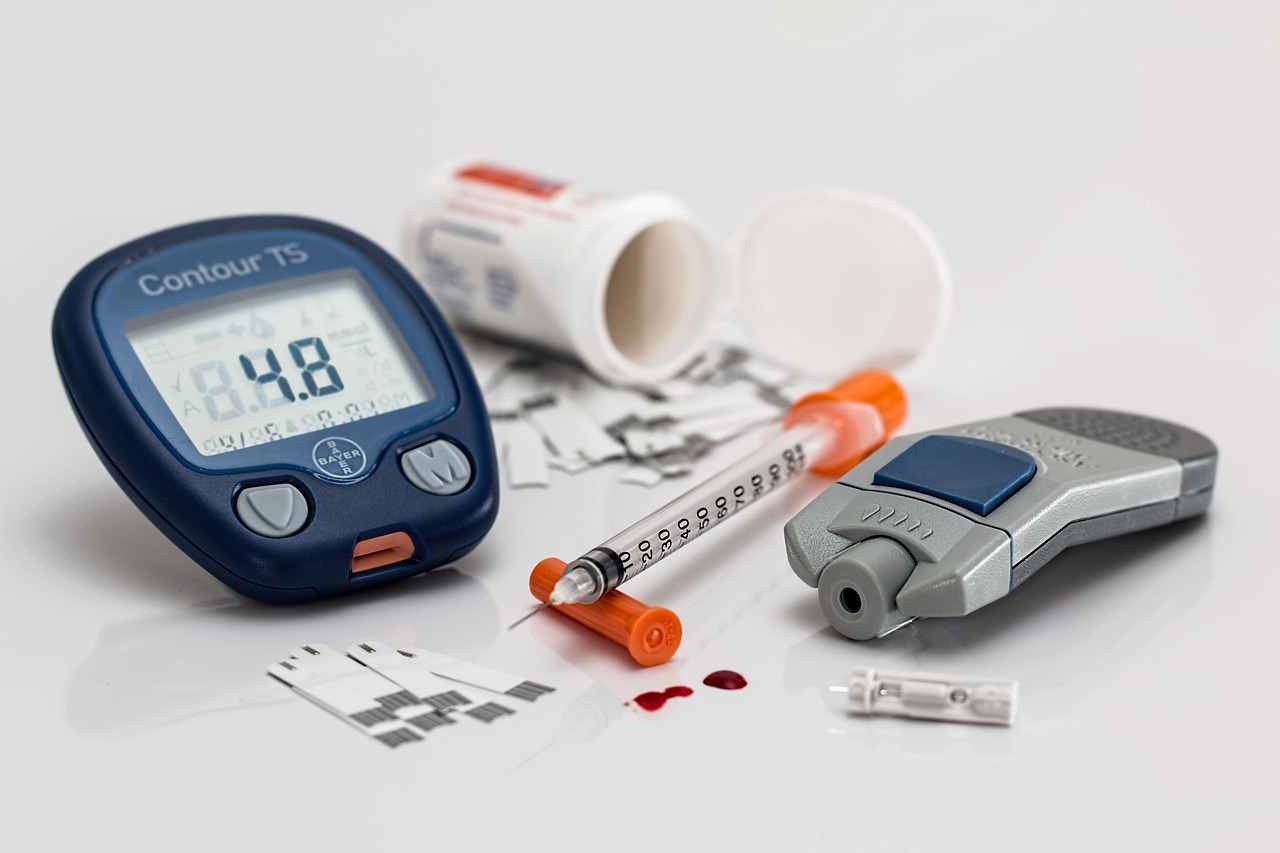
The American Diabetes Association (ADA) releases its Standards of Care in Diabetes annually, providing a crucial framework for effective diabetes management. For 2025, these guidelines have been updated to reflect the latest scientific research and clinical evidence. Understanding these changes is vital for individuals living with diabetes and their healthcare providers. The updated ADA Diabetes Standards of Care aim to refine treatment protocols, improve health outcomes, and enhance the quality of life for millions. This guide will break down the most significant changes, helping you navigate your diabetes care journey with the latest changes in information. At Doral Health & Wellness, we have all the answers you need.
Evolving Approaches in Diabetes Management for 2025
The 2025 updates emphasize a more personalized and comprehensive approach to diabetes management. The guidelines encourage healthcare teams to look beyond glycemic control and consider the full spectrum of a patient’s health, including cardiovascular risk factors, weight management, and mental well-being. This patient-centered model ensures that treatment plans are tailored to individual needs, preferences, and clinical circumstances.
Focus on New Medication Protocols
A major update involves recommendations for newer classes of medications. The 2025 Standards of Care place a stronger emphasis on using SGLT2 inhibitors and GLP-1 receptor agonists, particularly for patients with type 2 diabetes who have or are at high risk for atherosclerotic cardiovascular disease, heart failure, or chronic kidney disease.
- Cardiovascular and Renal Benefits: These medications are now recommended not just for their glucose-lowering effects but for their proven ability to protect the heart and kidneys. This marks a significant shift in treatment strategy, moving from a glucose-centric to a more holistic, organ-protective approach.
- Weight Management: The guidelines also highlight the role of these therapies in weight loss, a critical component of managing type 2 diabetes. For effective guidance, consulting an endocrinologist or a diabetes specialist is highly recommended to determine the best medication for your specific health profile.
Technology’s Growing Role in Diabetes Care
Technology continues to transform diabetes care, and the 2025 standards reflect this trend. The use of continuous glucose monitoring (CGM) systems is now more broadly recommended.
- Expanded CGM Use: The ADA now strongly encourages CGM for most adults and youth with type 1 diabetes and for many with type 2 diabetes, especially those using insulin. The real-time data provided by CGM helps individuals and their doctors make more informed decisions about insulin dosing, diet, and physical activity.
- Automated Insulin Delivery (AID): The guidelines also recognize the benefits of AID systems, or “artificial pancreas” technology, which integrate CGM with an insulin pump to automate insulin delivery and improve glycemic control.
Redefining Screening and Diagnosis
The 2025 ADA Diabetes Standards of Care introduce refined criteria for screening and diagnosing diabetes and prediabetes. The goal is to identify at-risk individuals earlier to initiate timely interventions.
Earlier and Broader Screening
The new guidelines advocate for lowering the age for initial prediabetes and diabetes screening in asymptomatic adults from 45 to 35. This change is in response to the rising incidence of type 2 diabetes in younger populations. Screening is particularly important for individuals with risk factors such as:
- Overweight or obesity
- Family history of diabetes
- History of gestational diabetes
- Certain racial and ethnic groups (e.g., African American, Latino, Native American, Asian American, Pacific Islander)
If you have concerns, speaking with a diabetes specialist or your primary care provider about screening is a proactive step toward managing your health.
The Importance of a Specialized Care Team
The complexity of modern diabetes management underscores the need for a collaborative care team. While a primary care physician is essential, the expertise of a specialist can be invaluable. An endocrinologist, who specializes in hormonal conditions like diabetes, or a dedicated diabetologist, can provide advanced knowledge on the latest treatments and technologies. These specialists work with you to create a highly personalized plan that aligns with the new ADA standards.
Staying informed about these updates is crucial for optimizing your health. We encourage you to discuss these new guidelines with your healthcare provider. Whether it’s your primary doctor or a specialist like an endocrinologist, they can help you understand how these changes apply to your personal diabetes care plan and ensure you are receiving the most effective treatment available. If you need help with diabetes management, visit us to get professional medical help. Our diabetologists create personalized treatment plans to ensure that you lead a fulfilling life. Book your appointment now, call us on + 1-718-367-2555 to get your condition treated!!! Learn more about Diabetes at www.doralhw.org. and stay up to date on current health topics and new research. If you need help, register your information and make direct contact with us at https://yuz88hfiyh7.typeform.com/Doralintake. Or visit us at 1797 Pitkin Avenue, Brooklyn, NY 11212.